
8 Essential Summer Car Care Tips Every Driver Should Know

Article
Summer in the United States can be brutal—not just for people, but for vehicles too. Scorching temperatures, blazing sun, and long road trips can put serious stress on your car. If you don’t take proper precautions, the heat can affect everything from your engine to your interior, leading to costly repairs or even dangerous situations on the road.
Whether you're commuting daily or planning a summer road trip, understanding how to properly care for your car during hot weather is essential. Based on expert recommendations, here are eight crucial things every driver should keep in mind when using a car in summer.
1. Avoid Parking Under Direct Sunlight
Leaving your car under direct sunlight for long periods can cause significant damage. Not only does it fade your car’s paint, but it also increases the temperature inside the vehicle to extreme levels.
In fact, when outdoor temperatures reach around 95–104°F (35–40°C), the interior of a parked car can soar to over 158°F (70°C) or higher.
This intense heat can:
- Damage leather seats and plastic components
- Cause unpleasant odors due to chemical emissions
- Make the cabin dangerously hot for passengers
What you should do:
- Park in shaded areas whenever possible
- Use a sunshade or car cover
- Consider installing UV-blocking window tint

2. Service Your Air Conditioning System
Your car’s air conditioning system is your best friend during summer. But after months of use (or disuse), it may not perform efficiently.
Dust buildup, refrigerant leaks, or worn components can reduce cooling performance.
Before peak summer hits:
- Get your AC system inspected
- Replace cabin air filters
- Recharge refrigerant if needed
A well-functioning AC system not only keeps you comfortable but also helps you stay alert and focused while driving.
3. Don’t Jump Into a Hot Car Immediately
We’ve all done it—open the car door and hop right in. But during summer, that can be risky.
A car left in the sun becomes a heat trap. Stepping inside immediately can lead to heat shock, dizziness, or even fainting, especially for sensitive individuals.
Safer approach:
- Open all doors for a minute
- Let hot air escape
- Roll down windows before entering
This simple habit can protect your health and make driving more comfortable.

4. Adjust Temperature Gradually
It’s tempting to blast the AC at full power as soon as you get inside—but that’s not the best idea.
Sudden temperature changes can:
- Strain your AC system
- Increase fuel consumption
- Affect your respiratory system
Experts recommend gradually lowering the temperature instead of setting it to the coldest level right away.
Maintaining a moderate difference between indoor and outdoor temperatures also helps prevent colds and discomfort.
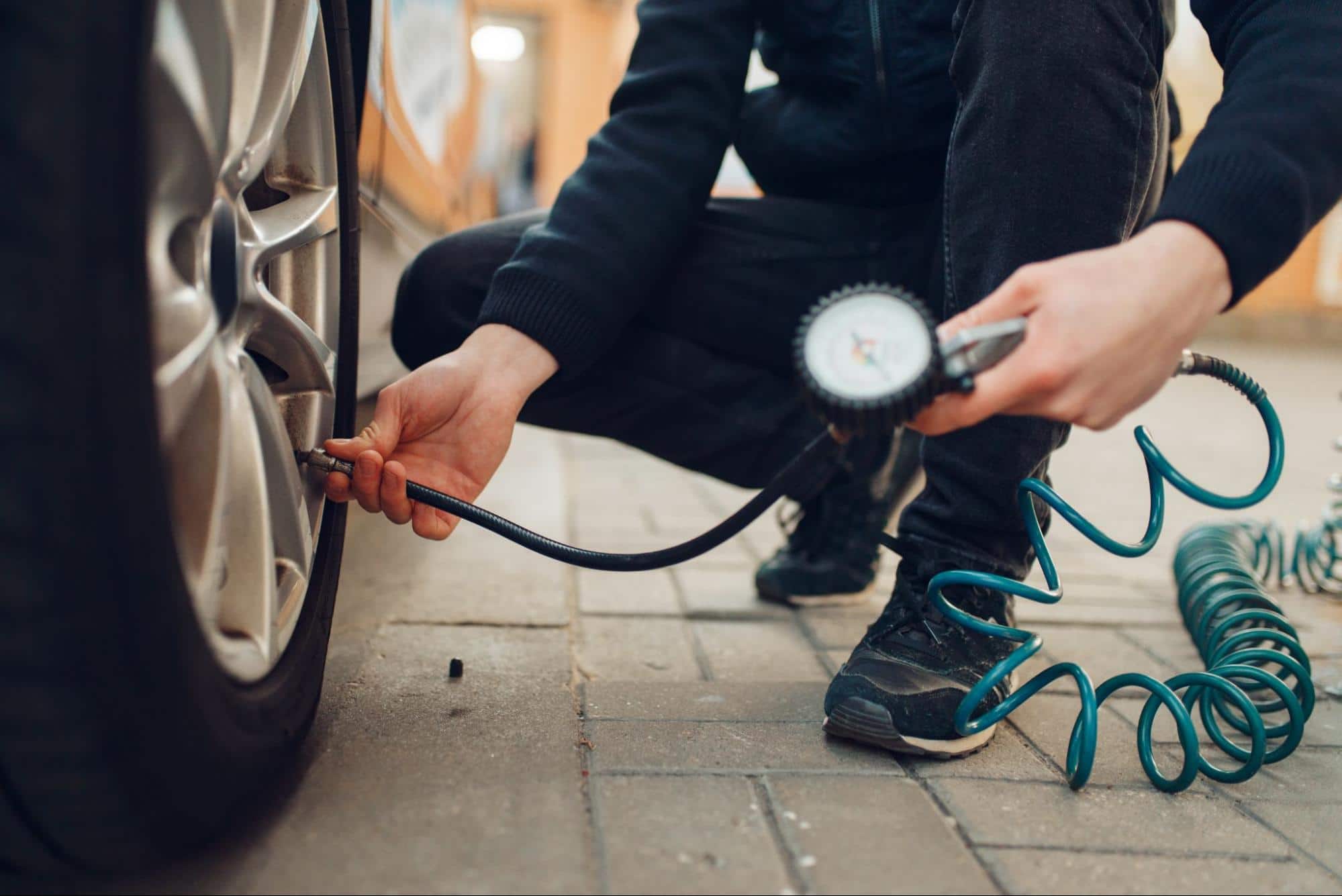
5. Check Tire Pressure Regularly
Heat causes air inside your tires to expand, which increases tire pressure. This can lead to uneven wear—or worse, tire blowouts.
Additionally, prolonged exposure to sunlight can weaken rubber over time.
Tips for tire safety:
- Check tire pressure weekly
- Inspect for cracks or wear
- Avoid overinflation
Proper tire maintenance ensures better handling, fuel efficiency, and overall safety.
6. Keep Flammable Items Out of the Car
High temperatures can turn everyday items into potential hazards.
Objects like:
- Lighters
- Aerosol cans
- Perfume bottles
can expand or even explode when exposed to heat.
What to do:
- Remove flammable items when parking
- Store emergency tools safely
- Avoid placing items on the dashboard
It’s a small step that can prevent serious accidents.
7. Monitor Your Car Battery
Summer heat doesn’t just affect your engine—it also impacts your battery.
High temperatures can cause battery fluid to evaporate, reducing its lifespan and efficiency.
Keep your battery healthy by:
- Checking fluid levels (if applicable)
- Cleaning battery terminals
- Testing battery performance
A weak battery in summer can leave you stranded at the worst possible time.

8. Inspect the Engine Cooling System
Your engine generates a lot of heat—and in summer, it needs extra help to stay cool.
The cooling system (radiator, coolant, hoses) plays a critical role in preventing overheating. If any part fails, your engine could suffer serious damage.
Maintenance checklist:
- Check coolant levels regularly
- Inspect hoses for cracks
- Ensure the radiator is functioning properly
Routine checks can save you from costly repairs and breakdowns.
Bonus Tips for Summer Driving
Beyond the basics, here are a few extra tips to keep your car running smoothly:
- Keep a bottle of water in the car (for emergencies, not in heat-sensitive containers)
- Carry a basic emergency kit
- Wash your car regularly to remove dust and protect paint
- Plan trips during cooler parts of the day
Common Mistakes to Avoid
Many drivers unknowingly damage their cars during summer. Watch out for these mistakes:
- Leaving electronics (like phones) inside the car
- Ignoring warning signs like overheating
- Skipping routine maintenance
- Overloading the vehicle on long trips
Avoiding these errors can significantly extend your car’s lifespan.
Final Thoughts
Summer driving doesn’t have to be stressful—but it does require preparation. Heat can take a toll on your vehicle in ways you might not immediately notice, from engine strain to interior damage.
By following these eight essential tips—parking smart, maintaining your AC, checking tires, and monitoring key systems—you can keep your car running smoothly and safely all season long.
Think of it this way: a little prevention now can save you from major headaches later. Take care of your car, and it will take care of you—no matter how hot the road gets.