
9 Smart Tips to Save Gas When Driving Your Car
9 Smart Tips to Save Gas When Driving Your Car
Fuel prices continue to fluctuate, and for many drivers across the United States, gas expenses are a major part of monthly budgets. Whether you commute daily, drive for work, or enjoy road trips, improving your vehicle’s fuel efficiency can save you hundreds—or even thousands—of dollars each year.
The good news? You don’t need a new car or expensive upgrades to cut down on fuel costs. In fact, small changes in driving habits and vehicle maintenance can significantly reduce fuel consumption. Experts suggest that driving behavior alone can impact fuel usage by up to 25%.
In this guide, we’ll walk you through 9 proven tips to help you save gas while driving your car—simple, practical strategies you can start using today.
1. Drive at a Steady and Moderate Speed
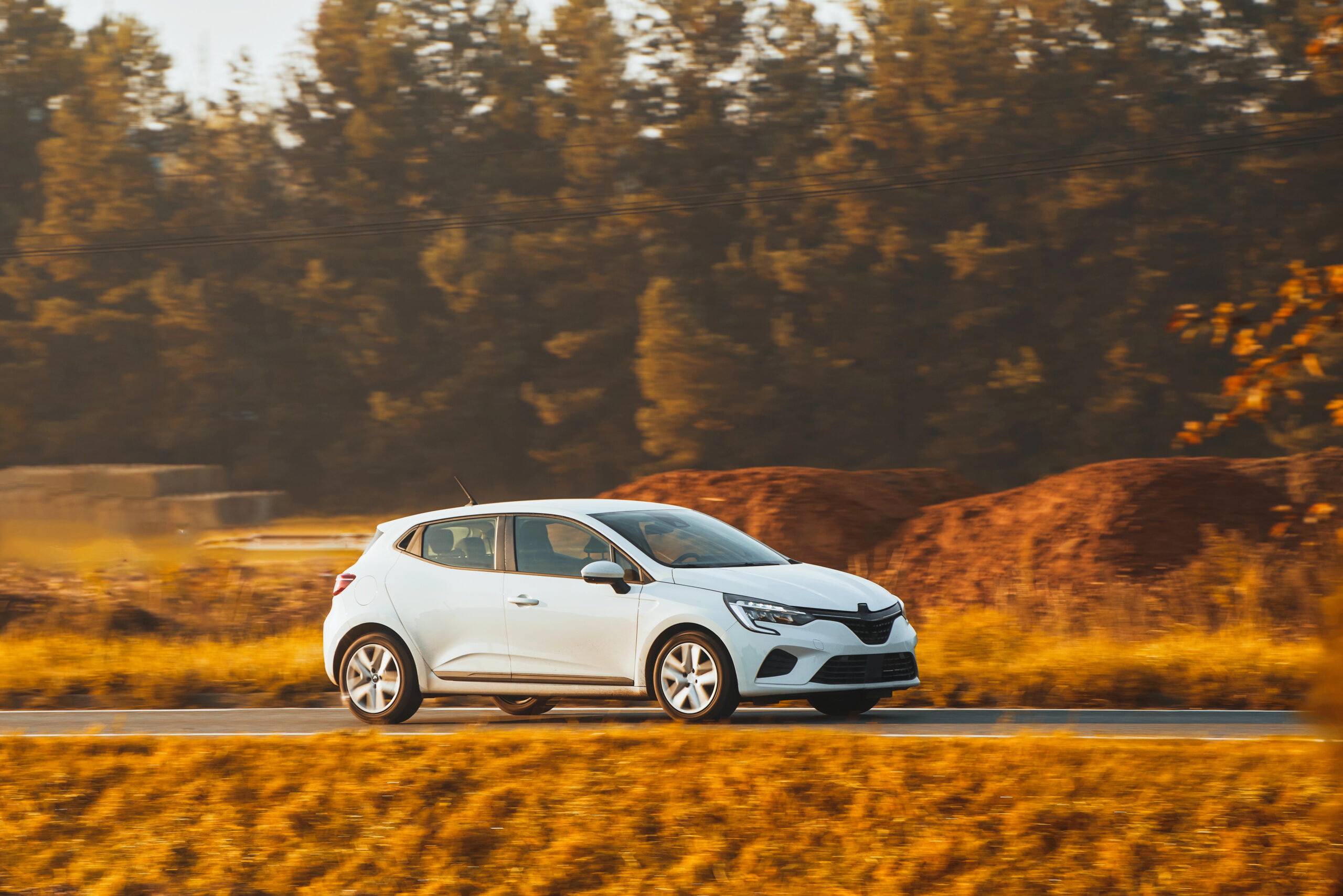
One of the easiest ways to save gas is to maintain a consistent speed. Rapid acceleration and high-speed driving consume more fuel than steady cruising.
For example, driving at 55–60 mph instead of 70–75 mph can significantly improve fuel efficiency. Even a small increase in speed can lead to a noticeable jump in fuel consumption. According to driving studies, reducing speed by just 10–15 mph can save up to 10–15% of fuel.
Pro Tip:
Use cruise control on highways whenever possible to maintain a consistent speed and avoid unnecessary acceleration.
2. Accelerate Smoothly and Brake Gradually
Aggressive driving habits—like slamming on the gas pedal or braking suddenly—are major fuel wasters. Every time you accelerate quickly, your engine burns extra fuel to generate power.
Instead, press the gas pedal gently and allow your car to accelerate gradually. When slowing down, anticipate stops early and brake smoothly.
This not only saves fuel but also reduces wear and tear on your brakes and engine.
3. Avoid Idling for Long Periods
Letting your car idle—especially for more than 30 seconds—wastes fuel unnecessarily. Modern engines don’t require long warm-up times, so you can start driving shortly after turning on the engine.
If you’re waiting in a parking lot, at a train crossing, or picking someone up, it’s better to turn off the engine.
Even short idling periods can add up over time and significantly increase fuel consumption.
4. Check Tire Pressure Regularly
Underinflated tires increase rolling resistance, forcing your engine to work harder and burn more fuel.
Keeping your tires properly inflated can improve gas mileage by around 3–4%.
Make it a habit to check tire pressure at least once a month and before long trips.
Bonus Tip:
Proper tire pressure also improves safety, handling, and tire lifespan.
5. Keep Your Car Well Maintained
Routine maintenance plays a huge role in fuel efficiency. A poorly maintained vehicle can consume significantly more fuel than a well-tuned one.
Important maintenance tasks include:
- Replacing air filters
- Checking spark plugs
- Regular oil changes
- Engine diagnostics
Dirty filters or worn components can reduce engine performance and increase fuel consumption.
Think of maintenance as an investment—it helps your car run smoothly and saves money in the long run.
6. Reduce Excess Weight in Your Vehicle
The heavier your car, the more fuel it needs to move. Carrying unnecessary items—like tools, sports gear, or unused cargo—can reduce fuel efficiency.
Removing extra weight from your car can lead to noticeable savings over time. Even small reductions in weight can improve mileage.
Rule of Thumb:
For every additional 100 pounds, fuel economy can drop by about 1–2%.
7. Use Air Conditioning Wisely
Air conditioning can significantly increase fuel consumption, especially at lower speeds or in city driving.
While it’s not always practical to turn it off—especially during hot summers—you can use it more efficiently:
- Set a moderate temperature (around 72–78°F)
- Use recirculation mode
- Turn off AC when it’s not needed
Limiting AC usage can reduce fuel consumption by up to 10–15% in certain conditions.
8. Keep Windows Closed at High Speeds
Driving with windows down might feel refreshing, but it creates aerodynamic drag—especially at highway speeds.
When driving above 50–60 mph, it’s more fuel-efficient to keep windows closed and rely on the car’s ventilation system.
Open windows increase air resistance, forcing the engine to work harder and burn more fuel.
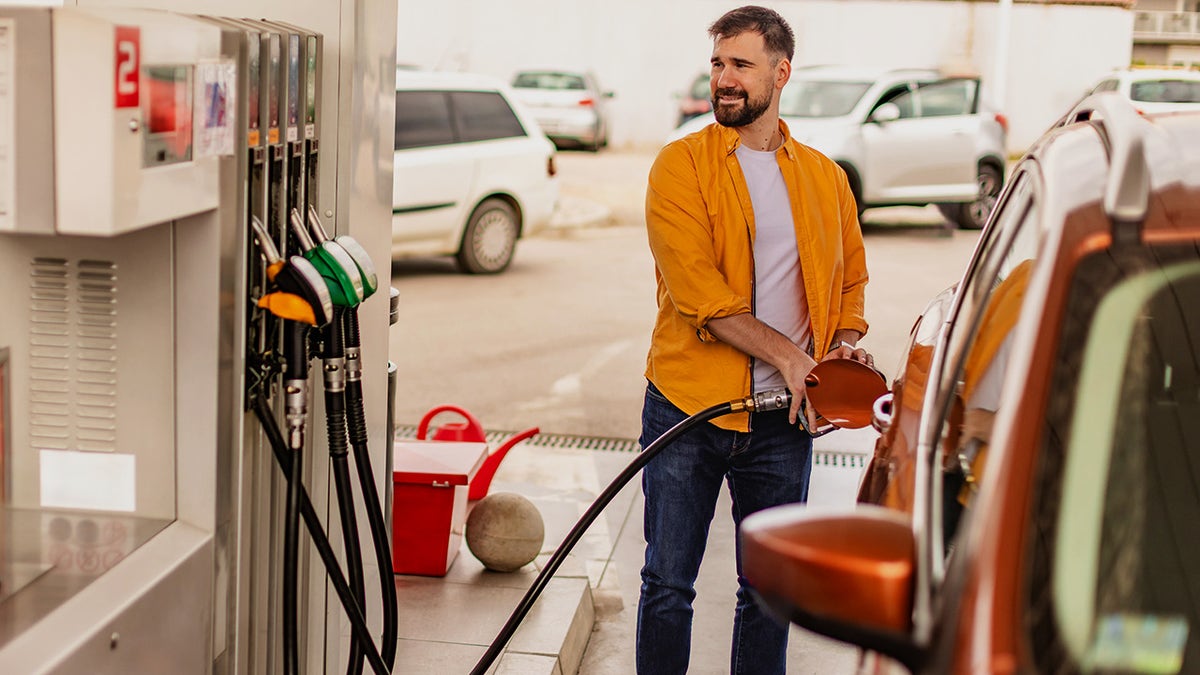
9. Refuel at the Right Time
Many drivers wait until their fuel tank is nearly empty before refueling. While this may seem convenient, it’s not always the best approach.
Running your tank too low can:
- Damage the fuel pump
- Allow sediment to enter the system
- Reduce overall engine efficiency
It’s better to refuel before the tank gets too low to keep your vehicle running smoothly and efficiently.
Additional Bonus Tips to Maximize Fuel Savings
Beyond the 9 core tips, here are a few extra strategies to help you save even more:
Plan Your Trips Efficiently
Combine errands into one trip instead of multiple short drives. Cold starts consume more fuel than driving a warmed-up engine.
Avoid Traffic When Possible
Stop-and-go traffic increases fuel consumption. Use navigation apps to find less congested routes.
Use the Right Fuel
Always use the fuel grade recommended by your car manufacturer—higher octane doesn’t necessarily mean better efficiency.
Park in the Shade
Keeping your car cool reduces the need for heavy AC usage when you start driving.
Why Fuel Efficiency Matters More Than Ever
With rising fuel costs and growing environmental concerns, improving fuel efficiency isn’t just about saving money—it’s also about reducing your carbon footprint.
By adopting smarter driving habits and maintaining your vehicle properly, you can:
- Save money on gas
- Extend the life of your car
- Reduce emissions
- Improve driving safety
Even small changes can lead to big results over time.
Conclusion
Saving gas doesn’t require drastic changes—just smarter habits and consistent maintenance. From driving at steady speeds to keeping your tires properly inflated, each tip contributes to better fuel efficiency.
Start by applying just a few of these strategies, and you’ll likely notice immediate improvements in your gas mileage. Over time, these habits can add up to significant savings and a smoother driving experience.
Fuel efficiency isn’t just about your car—it’s about how you drive it.