
Auto Repair, Car Maintenance, Vehicle Safety, Mechanics
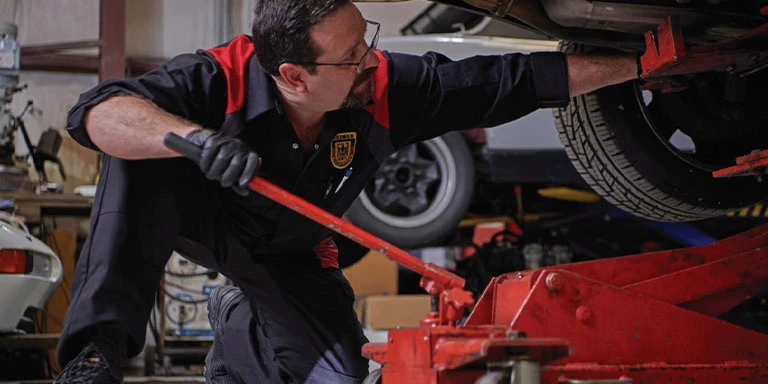
Axle Car Repair: The Complete Guide to Fixing, Replacing, and Maintaining Your Vehicle’s Axles
Axle car repair is one of the most critical aspects of vehicle maintenance, yet many drivers don’t think about it until something goes wrong. Your car’s axle plays a vital role in supporting the vehicle’s weight and transferring power from the engine to the wheels. When it fails, your vehicle may become unsafe—or even completely undrivable.
In this comprehensive guide, we’ll cover everything you need to know about axle car repair, including how axles work, common signs of damage, repair options, costs, and maintenance tips.
What Is an Axle in a Car?
An axle is a central shaft that connects your wheels and allows them to rotate while supporting the weight of your vehicle.
It plays two essential roles:
- Transfers power from the engine and transmission to the wheels
- Supports the vehicle’s weight and helps maintain stability
Without a functioning axle, your car simply cannot move.
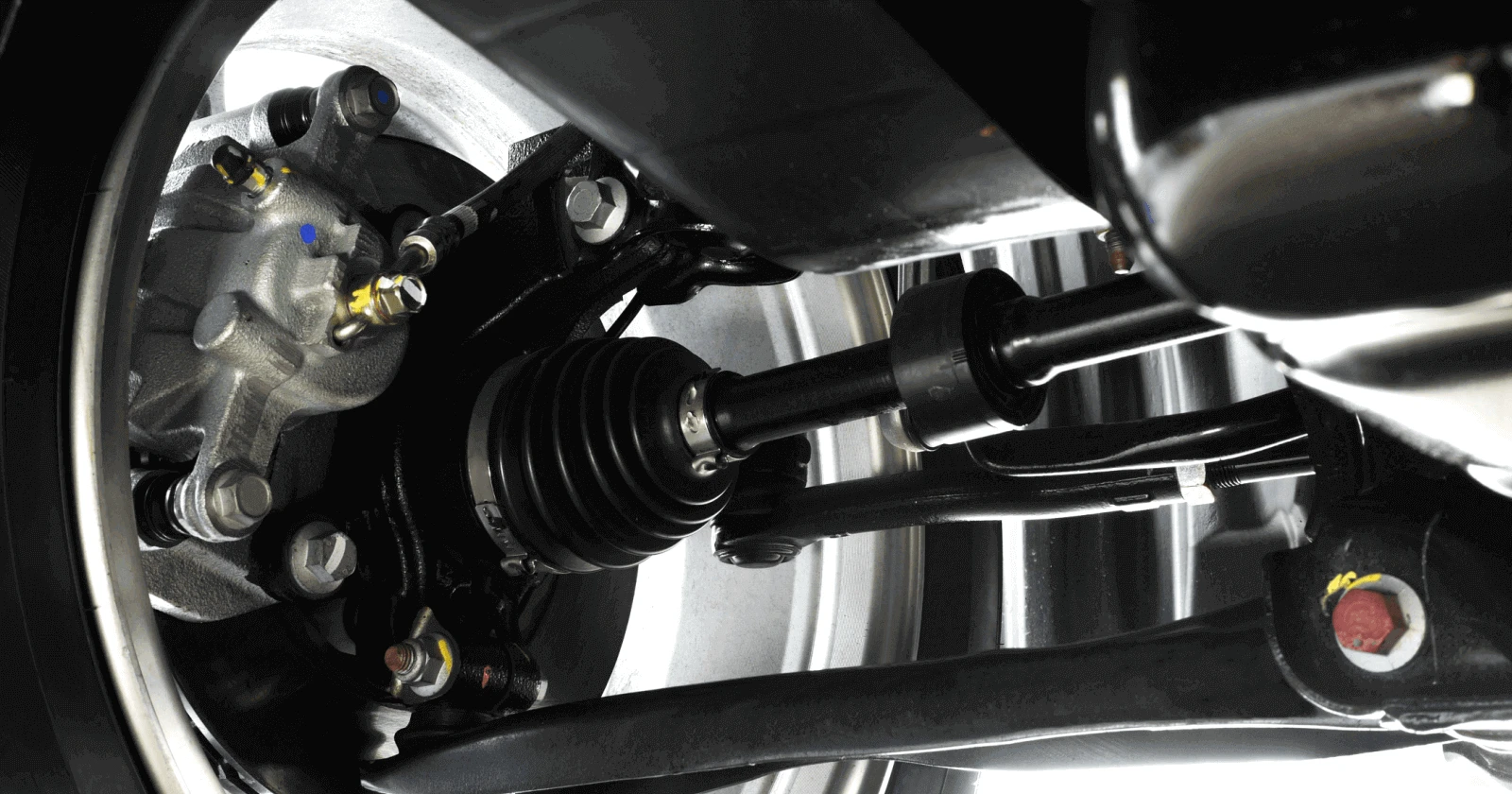
Modern vehicles often use split axles or CV (constant velocity) axles, which allow each wheel to move independently for smoother handling and better traction.
Types of Car Axles
Most vehicles have three main types of axles:
1. Front Axle
- Supports the front of the vehicle
- Assists with steering and shock absorption
2. Rear Axle
- Transfers power to the rear wheels
- Works with the differential to control wheel rotation
3. Stub Axle
- Connects wheels to the rest of the axle system
- Common in front suspension systems
Each type plays a critical role in your vehicle’s performance and safety.
Common Causes of Axle Damage
Axle damage can occur for several reasons, often due to wear and tear or sudden impact.
1. Worn CV Joints
The most common issue is a damaged CV joint, often caused by a torn rubber boot that allows dirt and moisture inside.
2. Road Impact
Hitting potholes, curbs, or debris can bend or break the axle.
3. Overloading
Carrying excessive weight puts stress on the axle system.
4. Lack of Maintenance
Failure to inspect or service axles regularly can lead to premature failure.
Because axles sit low under the vehicle, they are constantly exposed to dirt, moisture, and road hazards.
Signs Your Car Needs Axle Repair
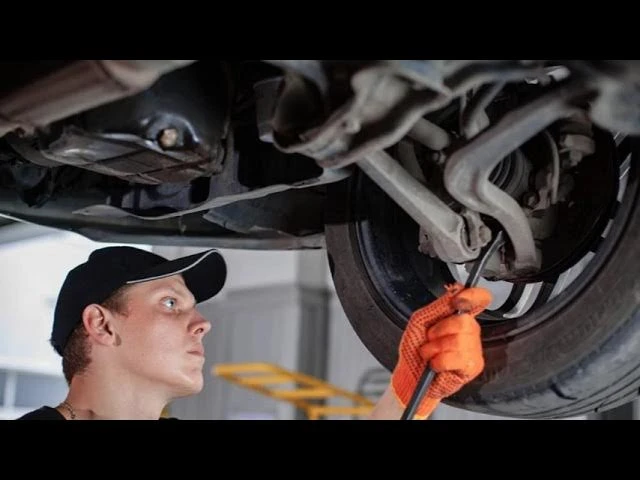
Recognizing early warning signs can help you avoid costly repairs and dangerous situations.
1. Clicking Noise When Turning
A common sign of a failing CV joint is a clicking or popping sound during turns.
2. Vibrations While Driving
A damaged axle can cause noticeable vibrations, especially at higher speeds.
3. Grease Leakage
If you see grease near your wheels, it may indicate a torn CV boot.
4. Difficulty Accelerating
A failing axle may struggle to transfer power to the wheels.
5. Clunking Sounds
Loud clunks when shifting gears or accelerating may signal serious axle damage.
6. Vehicle Won’t Move
In severe cases, a broken axle can prevent the wheels from turning entirely.
Ignoring these signs can lead to complete axle failure.
How Axle Car Repair Works
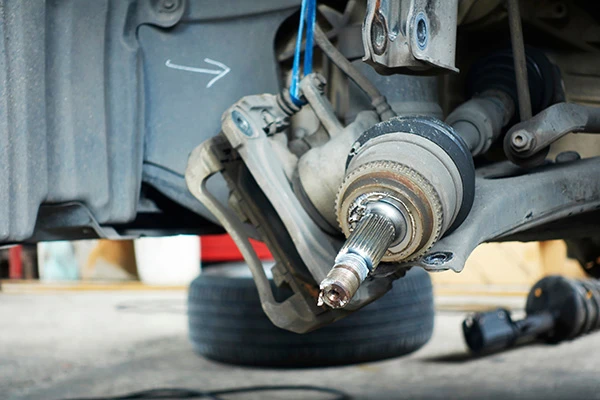
Axle repair depends on the type and severity of the damage.
1. Inspection
A mechanic checks the axle, CV joints, boots, and surrounding components.
2. Boot Replacement
If only the rubber boot is damaged, replacing it may be enough.
3. CV Joint Repair or Replacement
Worn joints are repaired or replaced to restore function.
4. Full Axle Replacement
In most cases, especially with severe damage, the entire axle assembly is replaced.
This process ensures long-term reliability and safety.
Axle Repair vs Replacement: What’s Better?
Repair Is Suitable When:
- Damage is limited to the CV boot
- The joint is still in good condition
- The issue is detected early
Replacement Is Needed When:
- The axle shaft is bent or broken
- The CV joint is severely worn
- There are multiple damaged components
Most mechanics recommend replacement because it’s more reliable and cost-effective in the long run.
How Much Does Axle Car Repair Cost?
The cost of axle repair varies depending on the vehicle and damage level.
Average Costs:
- CV boot replacement: $100 – $300
- CV axle replacement: $300 – $1,000 per axle
- Labor costs: $150 – $400
In complex cases involving transmission or suspension work, costs can increase significantly.
How Long Does Axle Repair Take?
Most axle repairs can be completed within:
- 1–2 hours for simple replacements
- Half a day for more complex repairs
Timely repair helps prevent further damage to related components.
Is It Safe to Drive with a Damaged Axle?
No. Driving with a damaged axle is dangerous.
A failing axle can:
- Cause loss of vehicle control
- Lead to wheel detachment
- Result in complete breakdown
Since axles are essential for power transfer and stability, any damage should be addressed immediately.
DIY vs Professional Axle Repair
DIY Repair
Pros:
- Lower cost
- Good for experienced mechanics
Cons:
- Requires specialized tools
- Risk of improper installation
- Safety concerns
Professional Repair
Pros:
- Accurate diagnosis
- Proper installation
- Warranty on parts and labor
Cons:
- Higher cost
For most drivers, professional repair is the safest and most reliable option.
How to Prevent Axle Damage
Preventive maintenance can extend the life of your axles.
1. Avoid Rough Driving
Slow down on potholes and uneven roads.
2. Inspect CV Boots Regularly
Look for cracks or leaks.
3. Don’t Overload Your Vehicle
Follow weight limits to reduce stress on the axle.
4. Schedule Routine Maintenance
Regular inspections can catch problems early.
Why Axle Maintenance Is Important
Axles are critical for:
- Vehicle stability
- Power transfer
- Steering and control
Neglecting axle maintenance can lead to serious safety issues and expensive repairs.
Common Mistakes to Avoid
- Ignoring early warning signs
- Delaying repairs
- Choosing low-quality replacement parts
- Attempting complex repairs without experience
These mistakes can worsen damage and increase repair costs.
Conclusion
Axle car repair is a vital part of keeping your vehicle safe, reliable, and road-ready. From understanding how axles work to recognizing early warning signs and choosing the right repair option, staying informed can save you time, money, and stress.
If you notice unusual noises, vibrations, or handling issues, don’t ignore them. Addressing axle problems early can prevent major failures and ensure your vehicle continues to perform at its best.
Remember—your axle isn’t just another car part. It’s a key component that keeps your entire vehicle moving safely down the road.