
Automotive Repair in 2026: Why Car Maintenance Is Changing Faster Than Ever
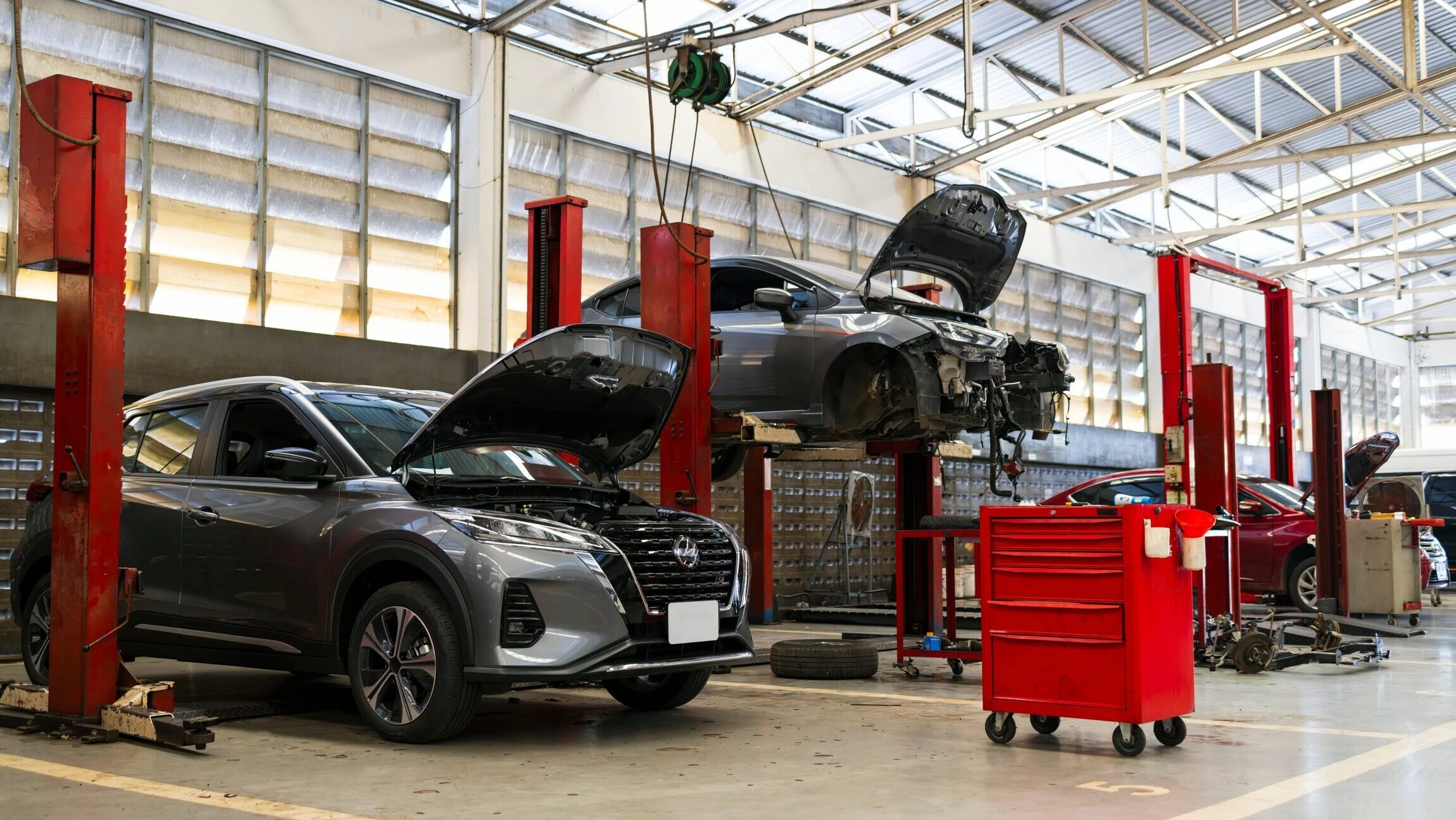
Automotive Repair in 2026: Why Car Maintenance Is Changing Faster Than Ever
The automotive repair industry in the United States is undergoing a major transformation in 2026. From electric vehicles and AI-powered diagnostics to rising labor costs and advanced vehicle technology, modern car repair is no longer just about changing oil or replacing brake pads. Today’s repair shops must adapt to increasingly complex vehicles while consumers struggle with higher maintenance expenses and longer repair times.
For decades, automotive repair was considered a relatively predictable industry. Mechanics focused primarily on mechanical systems like engines, transmissions, and suspension components. But modern vehicles now function more like computers on wheels. Advanced sensors, software systems, electric drivetrains, and driver-assistance technologies are changing how mechanics diagnose and repair cars.
At the same time, Americans are holding onto vehicles longer due to inflation and high new-car prices. That means repair shops are seeing more aging vehicles needing maintenance while also preparing for the growing wave of electric vehicles entering the market.
The result is an automotive repair industry facing both enormous opportunities and serious challenges.
Why Automotive Repair Costs Are Rising
One of the biggest concerns for drivers in 2026 is the increasing cost of automotive repair. Across the United States, consumers are paying more for routine maintenance, replacement parts, and labor than they did just a few years ago.
Industry reports point to several major reasons behind these rising prices:
- Inflation and supply chain disruptions
- Higher labor costs
- More expensive vehicle technology
- Increased parts shortages
- Specialized EV repair equipment
- Advanced diagnostic systems
According to industry research, labor rates have risen significantly due to technician shortages and supply chain pressures. Parts prices have also increased as manufacturers struggle with production costs and global shipping challenges.
Even basic services like oil changes are becoming more expensive. Recent reports show some U.S. repair shops charging over $100 for synthetic oil changes due to rising crude oil prices and supply issues affecting motor oil production.
For many Americans already dealing with inflation, automotive repair bills are becoming a serious financial burden.
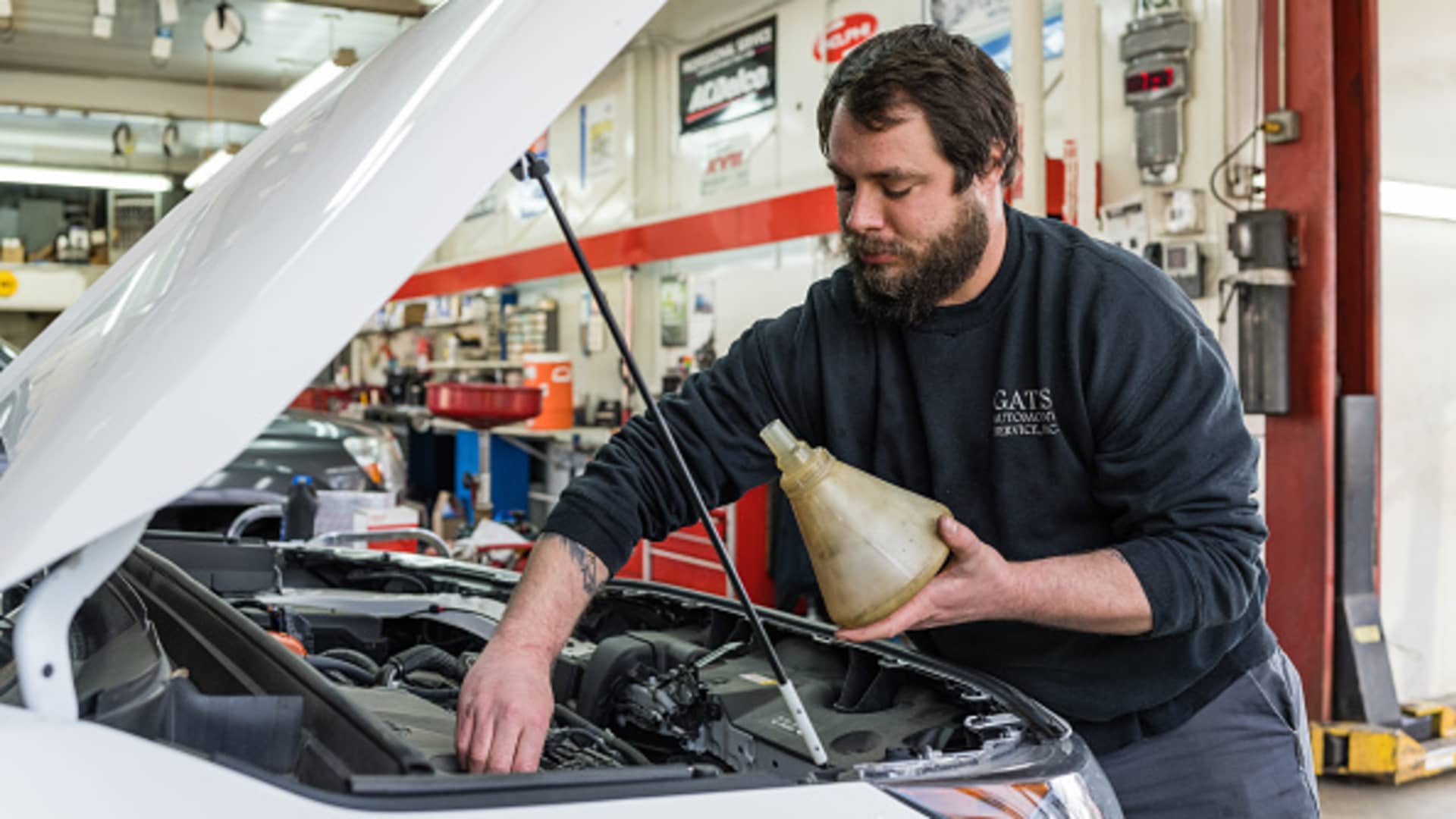
Americans Are Keeping Cars Longer
Another major trend shaping the repair industry is the aging vehicle population in the United States.
Instead of buying new cars every few years, many drivers are keeping vehicles much longer than before. Economic uncertainty, expensive financing rates, and high new-car prices are pushing consumers to extend vehicle ownership cycles.
Industry statistics show the average vehicle age in America has climbed to around 12.5 years.
Older vehicles naturally require more maintenance and repairs, including:
- Brake replacements
- Suspension work
- Transmission repairs
- Cooling system repairs
- Engine maintenance
- Electrical troubleshooting
This growing demand helps keep repair shops busy, but it also increases pressure on mechanics already struggling with staffing shortages and parts delays.
The Technician Shortage Crisis
One of the most serious problems facing the automotive repair industry is the shortage of skilled technicians.
Repair shops across the country report difficulty hiring and retaining qualified mechanics. According to industry surveys, more than half of repair shop owners say staffing shortages significantly affect their business operations.
Several factors contribute to the shortage:
- Fewer young people entering the trade
- Growing vehicle complexity
- Expensive training requirements
- Competition from other industries
- Negative stereotypes about mechanic careers
Modern technicians need far more knowledge than mechanics did decades ago. Today’s vehicles require expertise in:
- Computer diagnostics
- Software systems
- Electric vehicle technology
- ADAS calibration
- Hybrid systems
- Battery management
Advanced Driver Assistance Systems (ADAS), including lane assist, automatic braking, parking sensors, and adaptive cruise control, require specialized calibration after even minor repairs. Reports show ADAS-related repairs have increased dramatically in recent years.
Without enough trained workers, many repair shops face longer wait times and reduced service capacity.

Electric Vehicles Are Changing Everything
Electric vehicles are perhaps the biggest long-term disruptor in automotive repair.
Unlike traditional gasoline-powered cars, EVs rely heavily on batteries, software systems, electric motors, and advanced electronics. This changes the entire repair process.
While EVs generally require less routine maintenance than gas-powered vehicles, they create new technical challenges for repair shops.
Common EV repair concerns include:
- Battery diagnostics
- Charging system issues
- High-voltage safety procedures
- Software updates
- Thermal management systems
- Regenerative braking systems
Repairing EV batteries can be extremely expensive, and experts warn that poor battery repairability may hurt long-term vehicle values.
Industry reports also show many shops are now investing in EV diagnostic tools and charging system expertise to stay competitive.
As EV adoption continues growing in America, repair shops that fail to adapt may struggle to survive.
AI and Smart Diagnostics in Auto Repair
Artificial intelligence is becoming increasingly important in automotive repair.
Modern diagnostic systems can now analyze sensor data, detect problems faster, and even predict failures before they happen. AI-powered maintenance tools help shops improve efficiency and reduce guesswork.
Some repair shops use software capable of:
- Reading advanced diagnostic codes
- Predicting component failures
- Automating repair estimates
- Tracking repair histories
- Monitoring fleet maintenance
AI also helps collision repair and insurance industries analyze vehicle damage more accurately through automated image assessment systems.
As cars become more connected and software-driven, mechanics increasingly rely on laptops, diagnostic scanners, and cloud-based systems alongside traditional tools.

Customers Want More Transparency
Another major shift in automotive repair is changing customer expectations.
Many drivers feel frustrated by confusing estimates, unclear communication, and unexpected repair costs. Online discussions show growing demand for transparency and honesty from repair shops.
Today’s customers expect:
- Digital inspections
- Clear pricing explanations
- Online appointment systems
- Real-time repair updates
- Detailed diagnostic reports
- Better communication
Some repair shops are modernizing customer experiences by introducing digital dashboards, mobile updates, online vehicle histories, and upgraded waiting areas.
Consumers increasingly research mechanics online before booking services, making reputation and customer reviews more important than ever.
Supply Chain Problems Continue Affecting Repairs
Even in 2026, supply chain disruptions still impact the automotive repair world.
Repair shops continue facing delays involving:
- Electronic components
- Engine parts
- Batteries
- Sensors
- Lubricants
- Imported components
Industry experts warn that geopolitical tensions and transportation disruptions continue increasing prices for many automotive products, especially synthetic oils and imported components.
These delays can leave vehicles stuck in repair shops longer while owners wait for replacement parts.
Right-to-Repair Debates Are Growing
The “Right to Repair” movement is becoming a major issue in automotive repair.
Many independent mechanics argue that manufacturers restrict access to diagnostic tools, software systems, and repair data needed to service modern vehicles. Some automakers now require expensive subscriptions for diagnostic platforms.
Supporters of Right-to-Repair laws believe independent shops and consumers should have fair access to:
- Repair manuals
- Diagnostic software
- Vehicle data
- Replacement parts
- Programming systems
Automakers, meanwhile, argue that software restrictions help maintain cybersecurity and vehicle safety.
This debate will likely continue shaping the future of automotive repair for years to come.
Preventive Maintenance Matters More Than Ever
Because repairs are becoming more expensive, preventive maintenance is more important than ever for drivers hoping to avoid major breakdowns.
Experts recommend staying current on:
- Oil changes
- Tire rotations
- Brake inspections
- Battery checks
- Fluid replacements
- Alignment services
Delaying maintenance can often turn small issues into much larger repair bills later. Industry reports show many consumers postpone maintenance due to financial stress, but this strategy may increase long-term expenses.
Routine care remains one of the best ways to extend vehicle lifespan and reduce emergency repair costs.

The Future of Automotive Repair
The future of automotive repair will likely involve even greater technological integration.
Industry analysts expect continued growth in:
- AI diagnostics
- Predictive maintenance
- EV repair services
- Connected vehicle systems
- Digital customer experiences
- Advanced calibration technologies
At the same time, traditional mechanical skills will remain essential. Suspension systems, tires, brakes, cooling systems, and steering components still require hands-on expertise regardless of how advanced vehicles become.
The most successful repair shops in the future will likely combine technical knowledge with digital innovation and customer-focused service.
Final Thoughts
Automotive repair in 2026 looks dramatically different from the industry many drivers remember. Rising costs, electric vehicles, technician shortages, advanced software systems, and AI-powered diagnostics are transforming how vehicles are serviced across America.
For drivers, understanding these changes can help reduce stress, improve maintenance decisions, and avoid expensive surprises. For repair shops, adapting to modern vehicle technology is no longer optional — it’s necessary for survival.
As vehicles continue evolving into smarter, more connected machines, automotive repair will remain one of the most important industries keeping America moving safely on the road.