
Car Audio Repair: Complete Guide to Fixing Your Vehicle’s Sound System
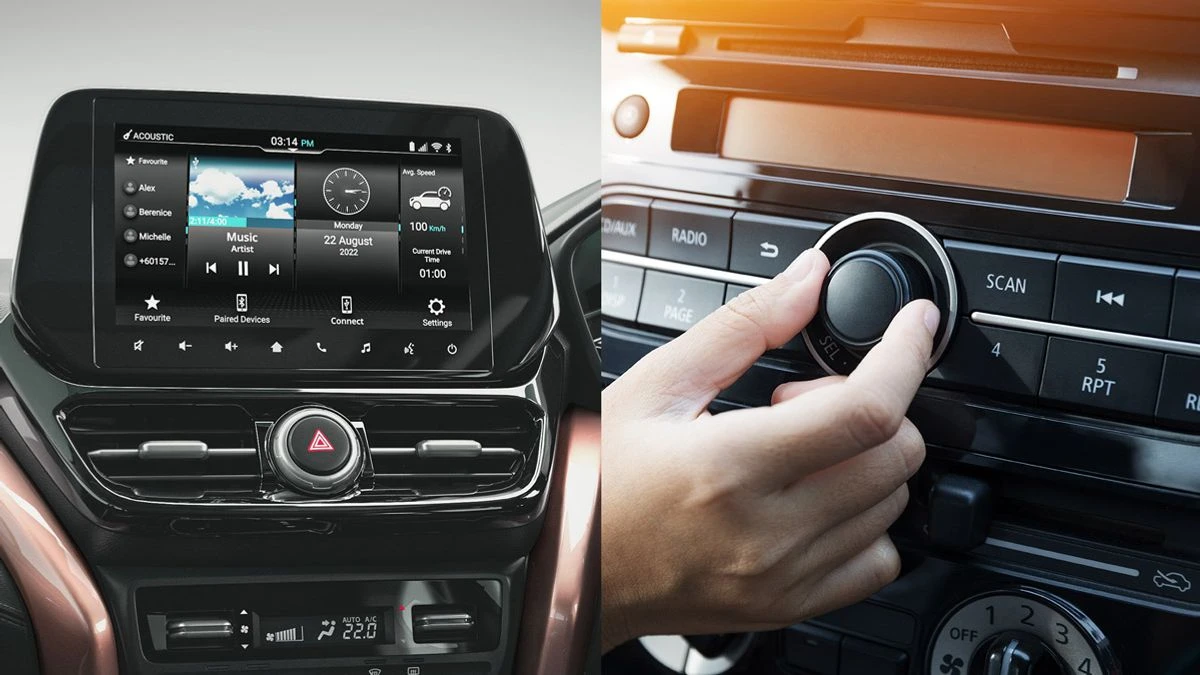
Car Audio Repair: Complete Guide to Fixing Your Vehicle’s Sound System
A quality sound system can completely transform your driving experience. Whether you’re commuting, road-tripping, or just running errands, your car’s audio system plays a big role in comfort and enjoyment. But when something goes wrong—no sound, distorted audio, or connectivity issues—it can quickly become frustrating.
This guide breaks down everything you need to know about car audio repair, from common problems and repair costs to choosing the right service provider in the U.S.
What Is Car Audio Repair?
Car audio repair refers to diagnosing and fixing issues within your vehicle’s sound system. This system includes components like the head unit (stereo), speakers, amplifiers, wiring, and modern features such as Bluetooth or navigation.
When any of these parts malfunction, professional repair services can restore functionality and sound quality. In many cases, repair is more cost-effective than replacing the entire system—especially for factory-installed units.
Common Car Audio Problems
Understanding the symptoms of a failing system helps you act quickly and avoid further damage.
1. No Sound at All
If your stereo powers on but produces no sound, the issue may stem from wiring faults, blown fuses, or amplifier failure.
2. Distorted or Crackling Audio
This usually indicates damaged speakers or poor connections. Over time, wear and tear can degrade speaker performance.
3. Head Unit Not Working
Modern head units control multiple functions. If it fails, you may lose radio, Bluetooth, and navigation features all at once.
4. Bluetooth or USB Issues
Connectivity problems are increasingly common in newer vehicles due to software bugs or hardware port damage.
5. Poor Radio Reception
A faulty antenna or tuner module can lead to weak or inconsistent signal quality.
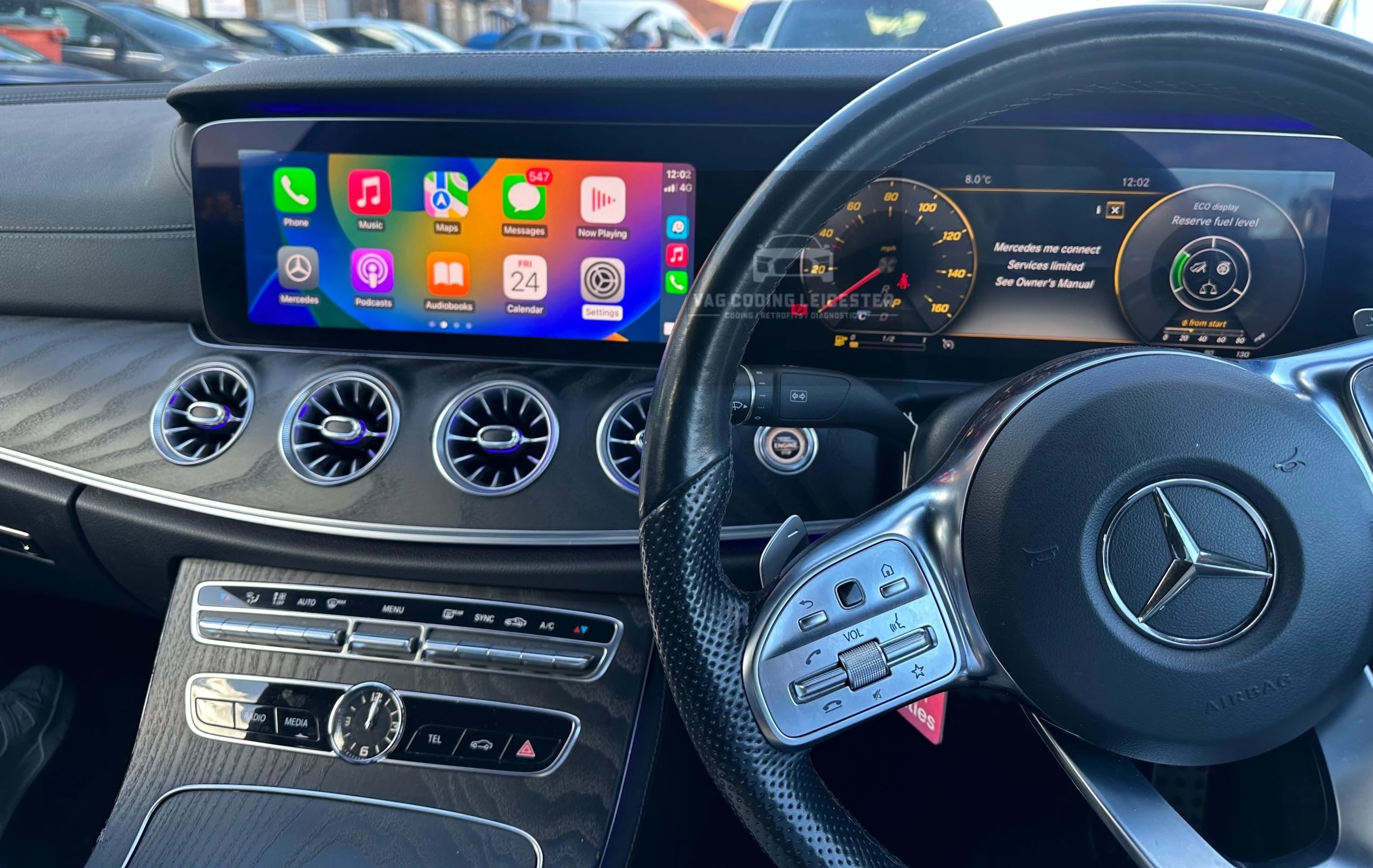
Key Components in a Car Audio System
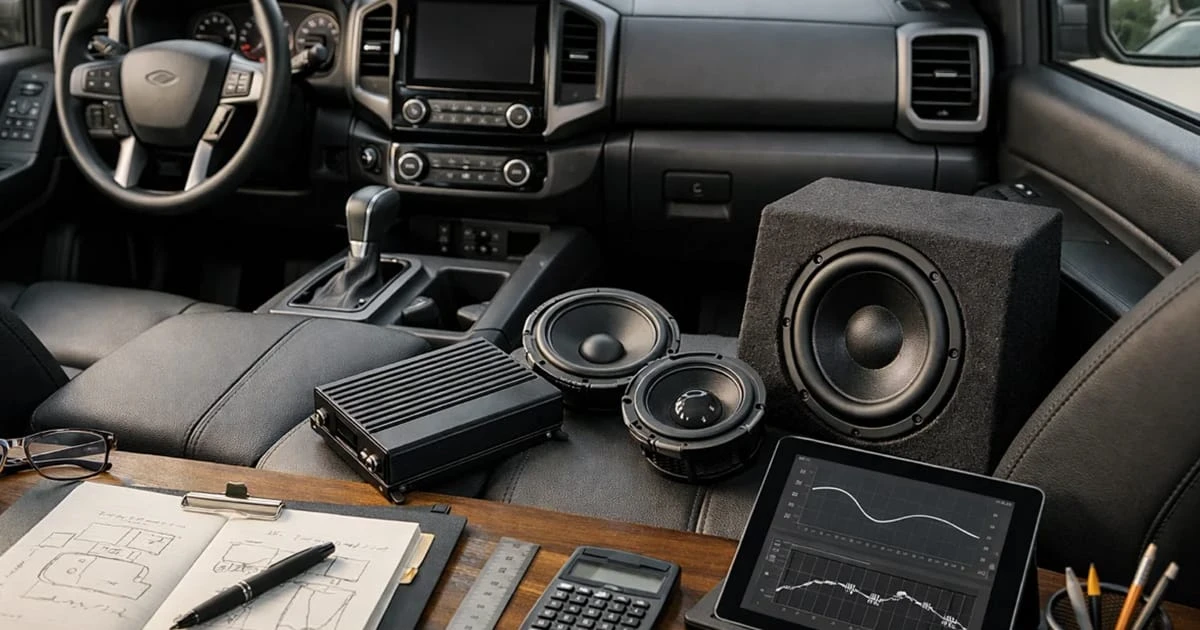
To better understand repairs, it helps to know the main parts involved:
- Head Unit (Stereo): The control center of your audio system
- Speakers: Deliver sound throughout the vehicle
- Amplifier: Boosts audio signals for better output
- Subwoofer: Enhances bass performance
- Wiring & Connectors: Ensure proper signal transmission
Professional repair services often inspect all these components during diagnostics.
Car Audio Repair vs Replacement: Which Is Better?
One of the biggest questions car owners face is whether to repair or replace the system.
When Repair Makes Sense
- Factory-installed system with integrated features
- Minor issues like wiring or speaker damage
- High-end systems where replacement is expensive
When Replacement Is Better
- Outdated systems lacking modern features
- Extensive damage affecting multiple components
- Cost of repair exceeds replacement value
In many cases, repair preserves original functionality and avoids costly modifications to your dashboard or wiring.
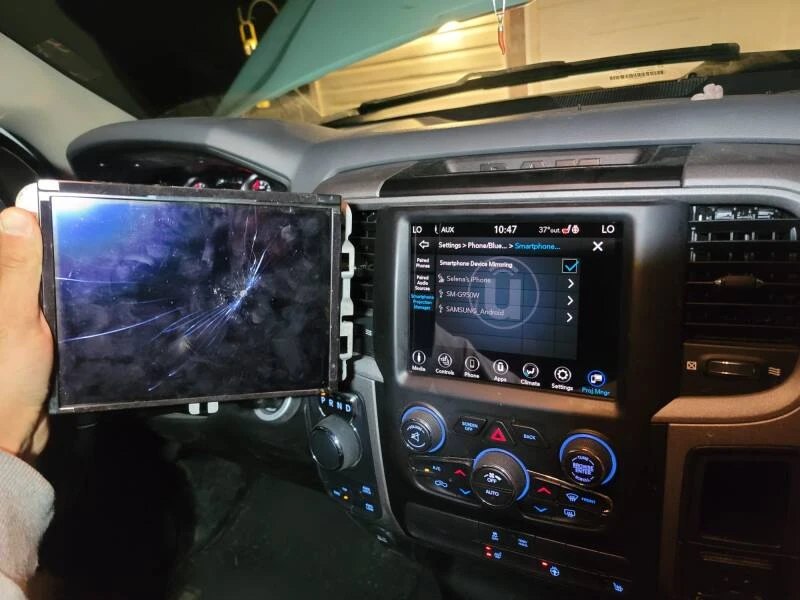
Average Car Audio Repair Costs in the U.S.
Repair costs vary depending on the issue and vehicle type.
Typical Price Ranges:
- Diagnostic fee: $50 – $100
- Speaker repair/replacement: $100 – $300
- Head unit repair: $150 – $500
- Full system repair: $300 – $1,000+
More complex repairs—especially involving infotainment systems—can be more expensive due to advanced electronics.
How Professional Car Audio Repair Works
Professional repair services follow a structured process:
1. Diagnosis
Technicians identify the root cause using specialized tools.
2. Component Testing
Each part of the system is tested, including wiring, speakers, and amplifiers.
3. Repair or Replacement
Faulty components are repaired or replaced with high-quality parts.
4. System Tuning
Technicians adjust settings to ensure optimal sound performance.
5. Final Testing
The system is tested thoroughly before returning the vehicle.
Many shops also offer custom solutions, such as sound tuning or system upgrades.
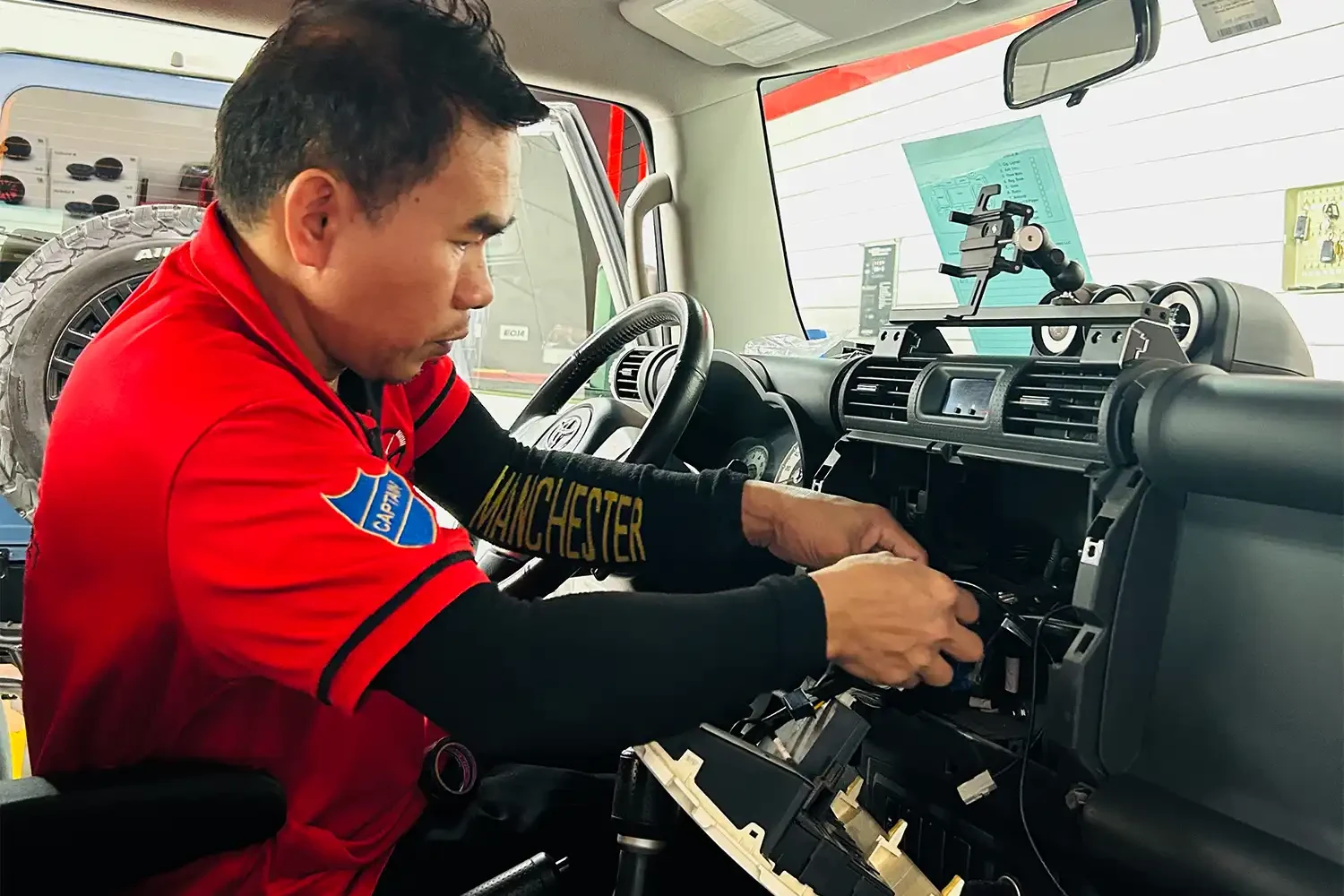
DIY Car Audio Repair: What You Can Fix Yourself
Some minor issues can be handled without professional help:
Easy DIY Fixes
- Checking and replacing blown fuses
- Inspecting loose wiring connections
- Resetting the head unit
- Cleaning audio ports
When to Avoid DIY
- Complex electrical issues
- Amplifier or head unit repairs
- Integrated infotainment systems
Modern vehicles often require specialized tools and knowledge, making professional repair the safer option.
How to Choose the Best Car Audio Repair Service
Not all repair shops are created equal. Here’s what to look for:
1. Experience and تخصص
Choose shops with proven expertise in car audio systems.
2. Range of Services
Look for providers offering diagnostics, repair, installation, and tuning.
3. Warranty
A good shop provides warranties on parts and labor.
4. Transparent Pricing
Clear estimates help avoid unexpected costs.
5. Customer Reviews
Online feedback can reveal service quality and reliability.
Professional shops often handle everything from basic repairs to full system upgrades.
Benefits of Professional Car Audio Repair
Hiring experts offers several advantages:
- Accurate diagnostics using advanced tools
- High-quality parts for long-lasting performance
- Time-saving solutions with faster turnaround
- Improved sound quality through proper tuning
Some services even offer mail-in repairs for infotainment systems, saving up to 50% compared to dealership costs.
Tips to Maintain Your Car Audio System
Preventative maintenance can extend the life of your system:
- Avoid playing audio at maximum volume for long periods
- Keep your car interior clean and dry
- Regularly check wiring and connections
- Update software for modern infotainment systems
- Schedule periodic inspections
Simple habits can help you avoid costly repairs in the future.
Latest Trends in Car Audio Repair (2026)
The car audio industry continues to evolve:
1. Integrated Infotainment Systems
Modern vehicles combine audio with navigation, climate control, and more—making repairs more complex.
2. Wireless Connectivity
Bluetooth, Apple CarPlay, and Android Auto issues are becoming more common repair requests.
3. Advanced Diagnostics
Technicians now use digital tools to identify issues faster and more accurately.
4. Custom Sound Upgrades
Many drivers choose upgrades alongside repairs for better audio performance.
Frequently Asked Questions (FAQ)
1. How long does car audio repair take?
Most repairs take a few hours to a couple of days, depending on complexity.
2. Is it cheaper to repair or replace a car stereo?
Minor issues are cheaper to repair, but major failures may require replacement.
3. Can I drive with a broken audio system?
Yes, but it may indicate underlying electrical issues that should be addressed.
4. Do car audio repairs come with a warranty?
Most professional services offer warranties on parts and labor.
5. What causes car speakers to stop working?
Common causes include wear and tear, moisture damage, and electrical issues.
Conclusion
Car audio repair is essential for maintaining a comfortable and enjoyable driving experience. Whether you’re dealing with distorted sound, connectivity issues, or a completely silent system, understanding the problem is the first step toward a solution.
While DIY fixes can handle minor issues, professional repair services offer the expertise and tools needed for more complex problems. By choosing the right repair shop and maintaining your system properly, you can enjoy high-quality sound for years to come.
If your car audio system isn’t performing like it used to, don’t ignore the signs—get it checked and bring your music back to life.