
Car Battery Chargers: The Complete Guide to Power, Performance, and Reliability
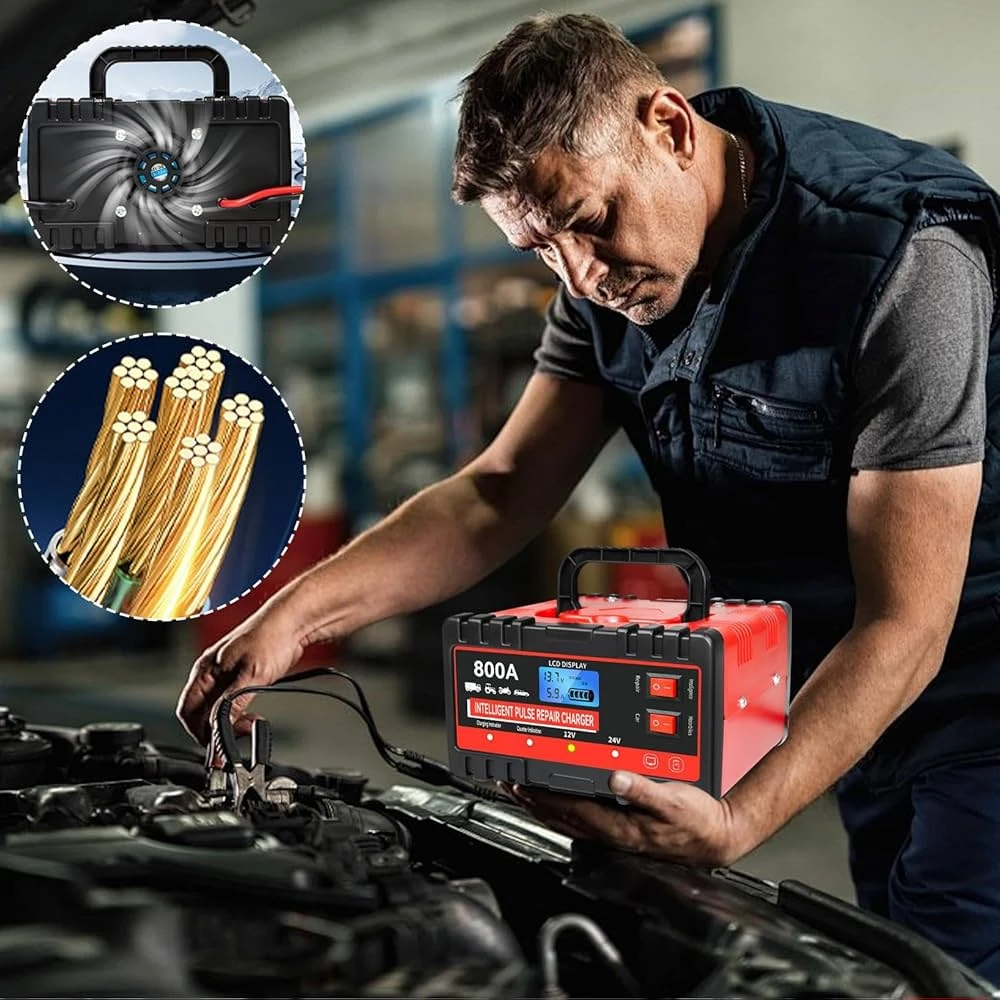
Car Battery Chargers: The Complete Guide to Power, Performance, and Reliability
Introduction
A dead car battery is one of the most frustrating problems any driver can face. Whether you’re heading to work, planning a road trip, or simply running errands, a vehicle that won’t start can disrupt your entire day. Fortunately, a car battery charger is a simple yet powerful solution that can save time, money, and stress.
In today’s automotive world, where vehicles rely heavily on electronics, maintaining a healthy battery is more important than ever. A reliable charger ensures your car starts smoothly, extends battery life, and reduces the risk of unexpected breakdowns.
This comprehensive guide will walk you through everything you need to know about car battery chargers—from types and features to expert tips on choosing the right one.
What Is a Car Battery Charger?
A car battery charger is a device that restores electrical energy to a depleted battery. Instead of relying on jump-starts or replacing the battery prematurely, a charger safely replenishes lost power and maintains optimal performance.
Modern chargers are designed to be efficient, safe, and user-friendly. Many advanced models can even “communicate” with your battery, adjusting voltage and current automatically to optimize charging and prevent damage.
Why You Need a Car Battery Charger
1. Prevent Unexpected Breakdowns
A drained battery is one of the most common causes of vehicle failure. A charger ensures your battery remains ready to go, reducing the chances of being stranded.
2. Extend Battery Lifespan
Keeping your battery properly charged helps prevent deep discharge, which can damage internal components and shorten lifespan.
3. Save Money
Replacing a car battery can be expensive. Regular charging and maintenance reduce the need for frequent replacements.
4. Improve Performance
A fully charged battery delivers consistent power to your vehicle’s electronics, ensuring smooth operation and better reliability.
5. Ideal for Infrequent Drivers
If you don’t drive often, your battery naturally loses charge over time. A charger keeps it maintained even during long periods of inactivity.
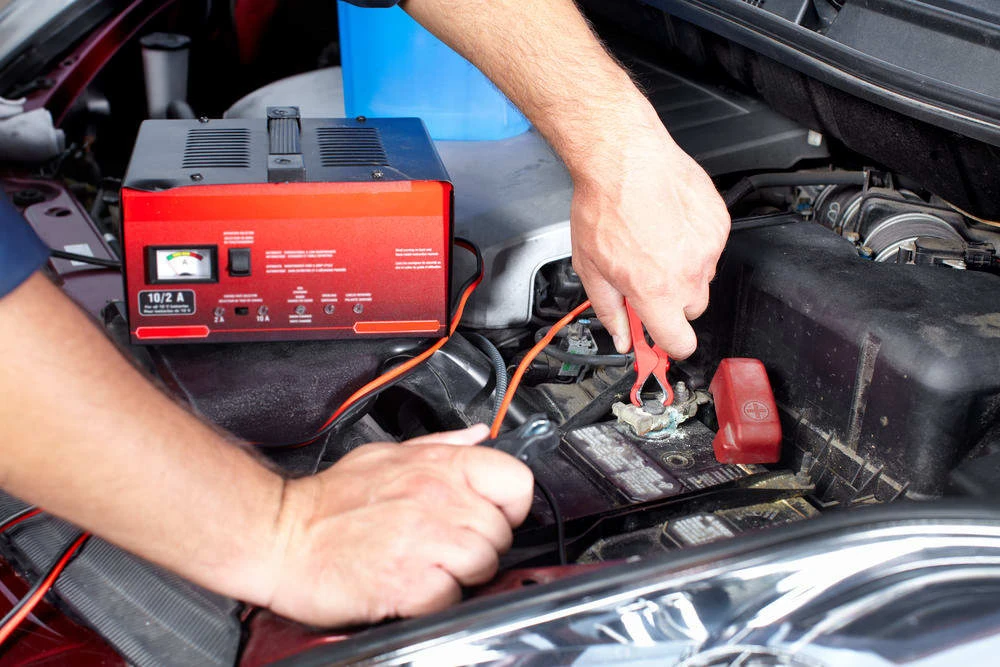
Types of Car Battery Chargers
Understanding the different types of chargers is essential for choosing the right one for your needs.
1. Trickle Chargers
Trickle chargers provide a low, steady current (usually 1–2 amps) over an extended period.
Best for:
- Long-term storage
- Maintaining battery charge
Pros:
- Safe for long-term use
- Prevents battery drain
Cons:
- Very slow charging
- Not suitable for dead batteries
2. Standard Chargers
Standard chargers deliver moderate power (2–10 amps) and are commonly used for everyday charging.
Best for:
- Regular home use
Pros:
- Faster than trickle chargers
- Affordable
Cons:
- May require monitoring to avoid overcharging
3. Smart (Automatic) Chargers
Smart chargers are the most advanced and popular option today. They automatically adjust charging levels based on the battery’s condition.
Key Features:
- Multi-stage charging (bulk, absorption, float)
- Automatic shut-off
- Battery health optimization
Pros:
- Prevents overcharging
- Safe and efficient
- Can be left connected
Cons:
- Higher cost
Smart chargers are widely recommended because they optimize charging and extend battery life.
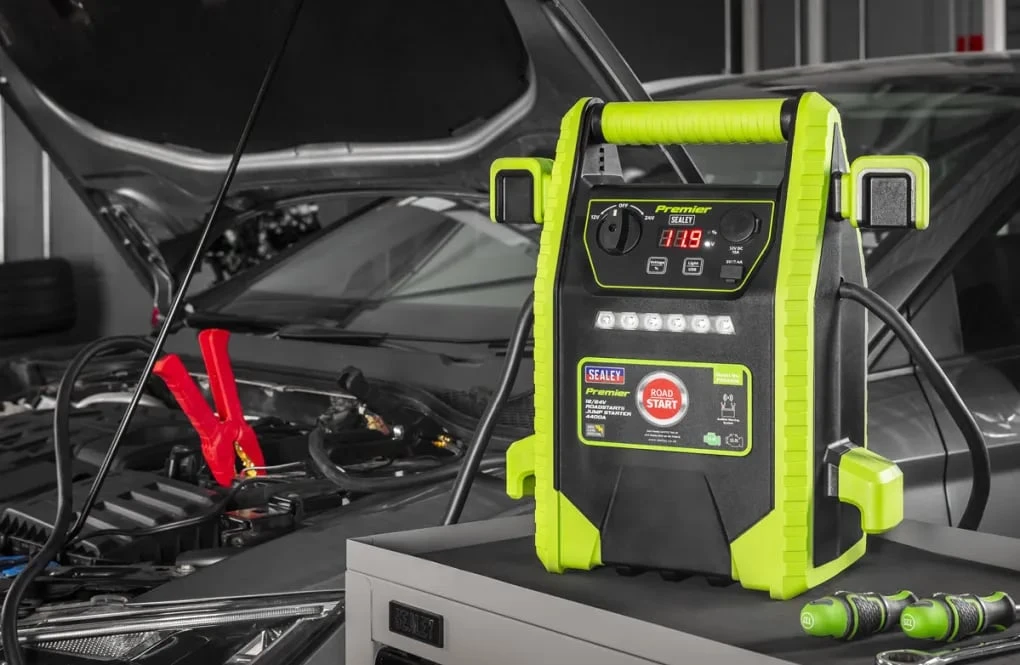
4. Portable Jump Starters
These are compact devices designed to quickly start a vehicle with a dead battery.
Best for:
- Emergencies
Note:
They start the car but don’t fully recharge the battery—you’ll still need a charger afterward.
5. Solar Chargers
Solar chargers use sunlight to maintain battery charge.
Best for:
- Vehicles parked outdoors
- Eco-friendly users
Limitations:
- Slower performance
- Dependent on sunlight
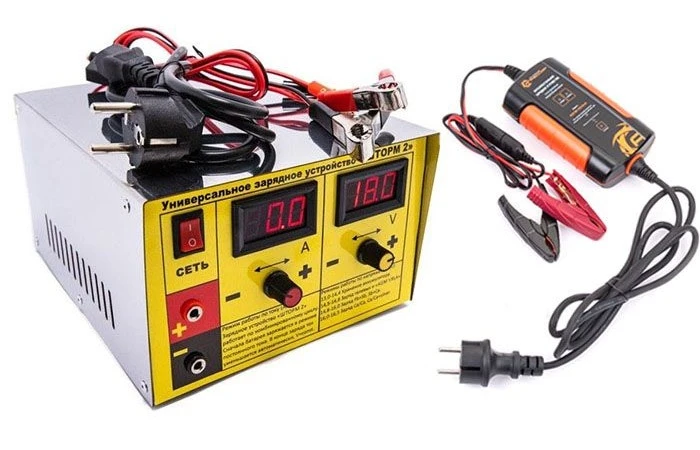
How Car Battery Chargers Work
Modern chargers follow a multi-stage process to safely recharge batteries:
- Bulk Charging: Rapidly restores most of the battery’s charge
- Absorption Stage: Slows down charging to prevent overheating
- Float Mode: Maintains full charge without overcharging
This process ensures efficiency and protects battery health.
Key Features to Look For
1. Automatic Charging
Look for chargers with smart or multi-stage charging capabilities for convenience and safety.
2. Safety Protection
Essential features include:
- Reverse polarity protection
- Overcharge protection
- Short-circuit prevention
3. Amperage Options
- 1–2 amps: Maintenance
- 5–10 amps: Standard use
- 10+ amps: Faster charging
4. Battery Compatibility
Ensure the charger supports your battery type (lead-acid, AGM, gel, or lithium).
5. Portability
Compact and lightweight chargers are ideal for travel and emergencies.
How to Choose the Best Car Battery Charger
Choosing the right charger depends on your specific needs:
For Daily Drivers
A smart charger with 5–10 amps is ideal for regular maintenance and occasional charging.
For Stored Vehicles
A trickle charger or maintainer is best for long-term storage.
For Emergencies
A portable jump starter provides quick solutions when you’re on the road.
For Advanced Users
Look for chargers with diagnostic and repair modes for restoring damaged batteries.
Tips for Using a Car Battery Charger Safely
- Always follow manufacturer instructions
- Connect cables correctly (positive to positive, negative to negative)
- Avoid charging in wet conditions
- Do not overcharge the battery
- Use proper ventilation
Common Mistakes to Avoid
- Using the wrong charger type
- Ignoring battery compatibility
- Leaving a non-smart charger unattended
- Charging a damaged battery
- Overlooking safety features
Using the wrong charger can significantly reduce battery lifespan and performance.
Future Trends in Car Battery Charging
The automotive industry is evolving rapidly, and battery charging technology is no exception.
Smart Technology Integration
Future chargers will feature advanced diagnostics, mobile app control, and real-time monitoring.
Faster Charging Solutions
Improved charging speeds without compromising safety are becoming a priority.
Eco-Friendly Options
Solar and energy-efficient chargers are gaining popularity among environmentally conscious users.
FAQ
1. How long does it take to charge a car battery?
It depends on the charger type and battery condition. Most chargers take several hours to fully recharge a battery.
2. Can I leave a charger connected overnight?
Yes, but only if it’s a smart charger with automatic shut-off.
3. Do I need a charger if I drive daily?
Not necessarily, but it’s useful for emergencies and maintaining battery health.
4. What is the best type of charger?
Smart chargers are generally the best option for most users due to safety and efficiency.
Conclusion
A car battery charger is an essential tool for modern drivers. It not only prevents inconvenient breakdowns but also extends battery life, improves performance, and saves money in the long run.
Whether you choose a simple trickle charger or an advanced smart charger, investing in the right device ensures your vehicle remains reliable and ready for any journey. By understanding the different types, features, and best practices, you can make an informed decision and keep your car running smoothly year-round.