
Car Battery Guide 2026: Types, Lifespan, Maintenance & Buying Tips
Car Battery Guide 2026: Types, Lifespan, Maintenance & Buying Tips
Introduction
Your car battery is one of the most essential components of your vehicle—yet it’s often overlooked until it fails. Whether you're commuting daily or planning a long road trip, a reliable battery ensures your car starts smoothly and powers all onboard electronics.
In 2026, automotive technology continues to evolve, and so do battery systems. From traditional lead-acid batteries to advanced lithium-ion solutions, understanding your options can save you time, money, and unexpected breakdowns.
This comprehensive guide covers everything you need to know about car batteries, including types, lifespan, warning signs, maintenance tips, and how to choose the right one for your vehicle.
What Is a Car Battery and Why It Matters
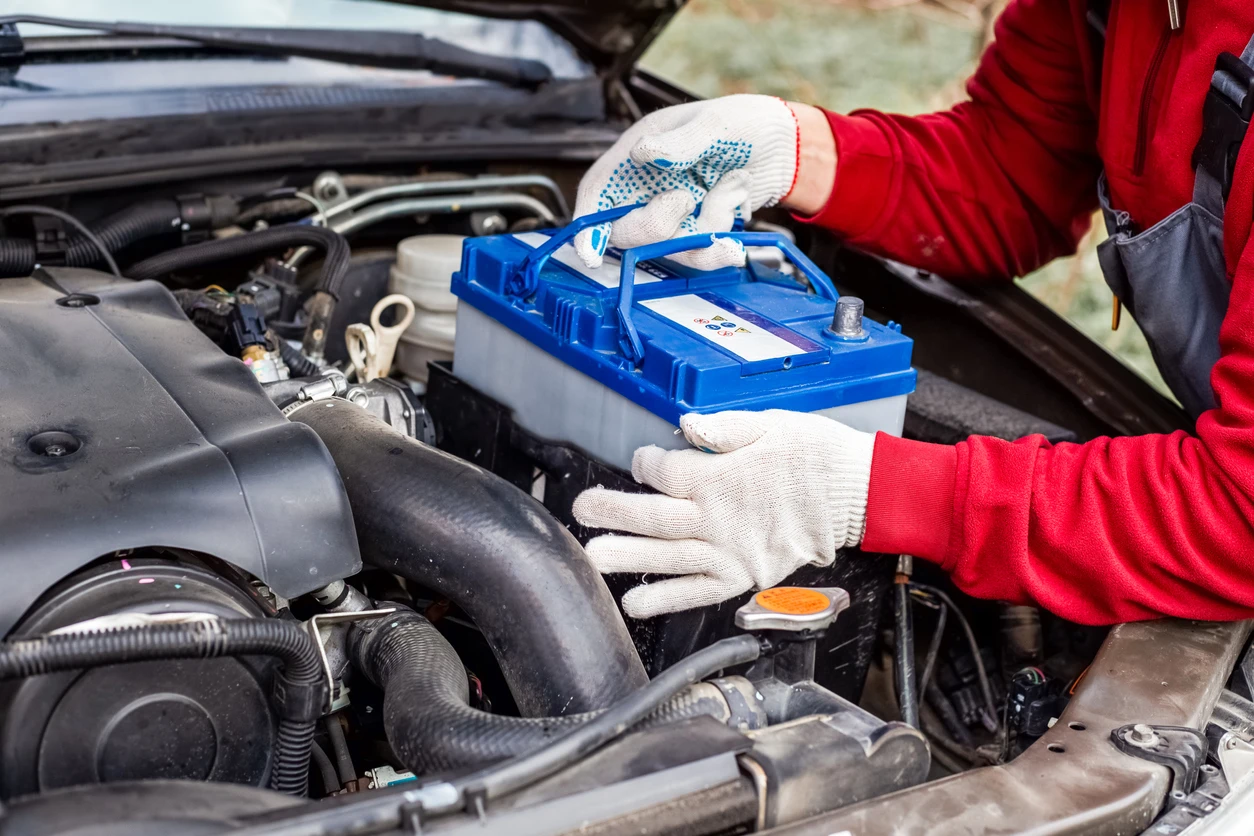
A car battery is a rechargeable power source that provides electricity to start the engine and run electrical systems like lights, radio, and climate control. Most vehicles use a 12-volt battery, which stores energy through chemical reactions.
Without a functioning battery, your car simply won’t start. It also plays a critical role in stabilizing voltage and supporting the alternator.
Types of Car Batteries in 2026
Understanding different battery types helps you choose the best option for your driving needs.
1. Lead-Acid Batteries (Traditional Option)
Lead-acid batteries remain the most common and affordable choice for gasoline vehicles.
- Widely available and cost-effective
- Suitable for standard vehicles
- Requires occasional maintenance (for flooded types)
These batteries typically last 3–5 years under normal conditions .
2. AGM (Absorbent Glass Mat) Batteries
AGM batteries are more advanced and designed for modern vehicles with higher electrical demands.
- Spill-proof and maintenance-free
- Better performance in extreme weather
- Ideal for start-stop systems
They can last 4–7 years and recharge faster than traditional batteries .
3. Lithium-Ion Batteries (Modern Technology)
Commonly found in hybrid and electric vehicles:
- Lightweight and highly efficient
- Long lifespan (up to 10 years or more)
- Higher cost but superior performance
These batteries are becoming more popular as electric vehicles grow in adoption.
How Long Do Car Batteries Last?
On average, a car battery lasts between 3 to 5 years, depending on usage, climate, and maintenance .
Factors That Affect Battery Life
1. Climate
Hot weather accelerates battery wear, while cold weather reduces performance. Batteries in hotter regions often fail faster .
2. Driving Habits
Short trips prevent the battery from fully recharging, leading to gradual discharge.
3. Maintenance
Poor maintenance, corrosion, or loose connections can significantly shorten lifespan.
4. Usage Patterns
Leaving lights or electronics on can drain the battery quickly and cause long-term damage.
Signs Your Car Battery Is Failing
Recognizing early warning signs can prevent sudden breakdowns.
1. Slow Engine Crank
If your engine takes longer to start, your battery may be losing power.
2. Dim Lights
Weak headlights or dashboard lights indicate reduced battery output.
3. Warning Light on Dashboard
Most modern cars have a battery warning indicator.
4. Corrosion on Terminals
White or bluish buildup around terminals can affect performance.
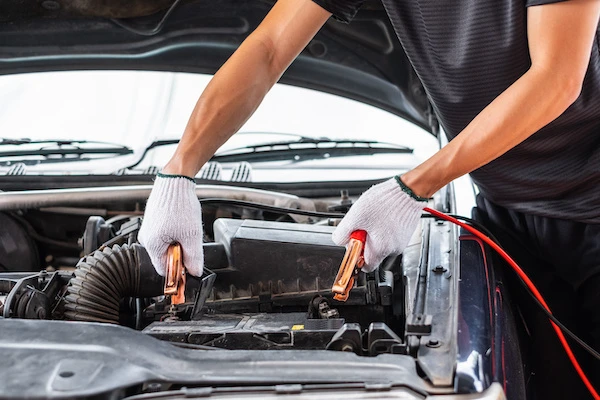
5. Frequent Jump Starts
If you need frequent boosts, your battery is likely near the end of its life.
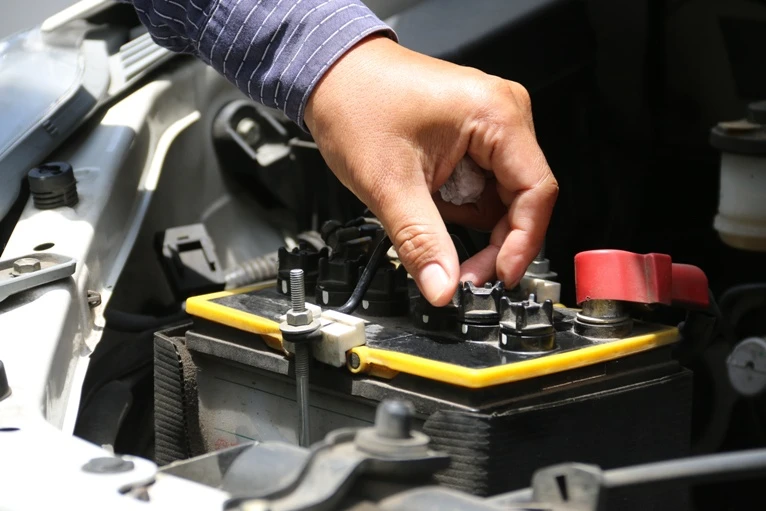
How to Maintain Your Car Battery
Proper maintenance can extend battery life and improve performance.
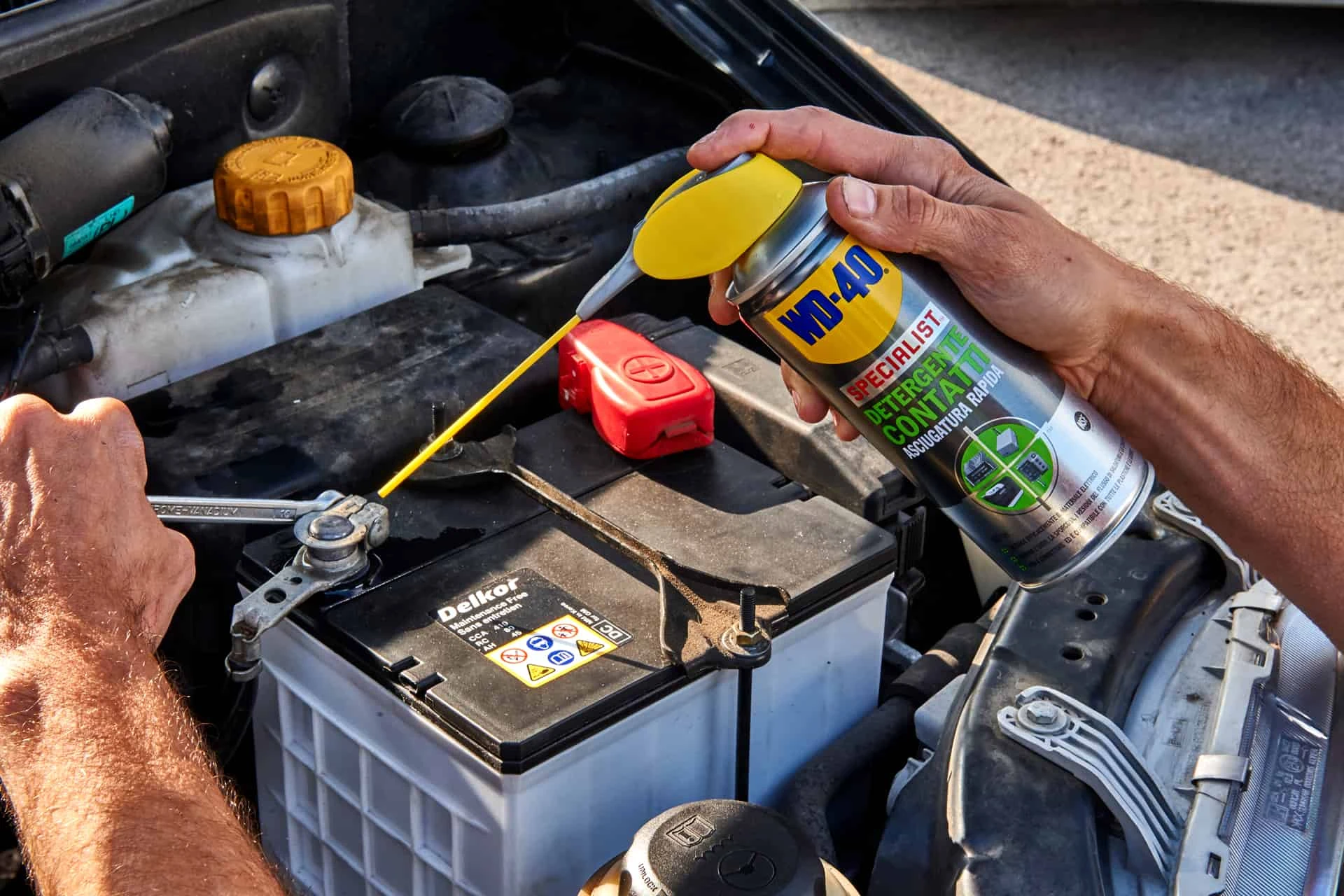
1. Keep Terminals Clean
Clean corrosion regularly using a battery cleaning solution or baking soda mixture.
2. Drive Regularly
Frequent driving helps keep the battery charged.
3. Avoid Short Trips
Combine errands to allow the battery to recharge fully.
4. Turn Off Electronics
Always turn off lights, radio, and accessories before leaving your car.
5. Test Your Battery Annually
Once your battery is over three years old, test it regularly to avoid unexpected failure .
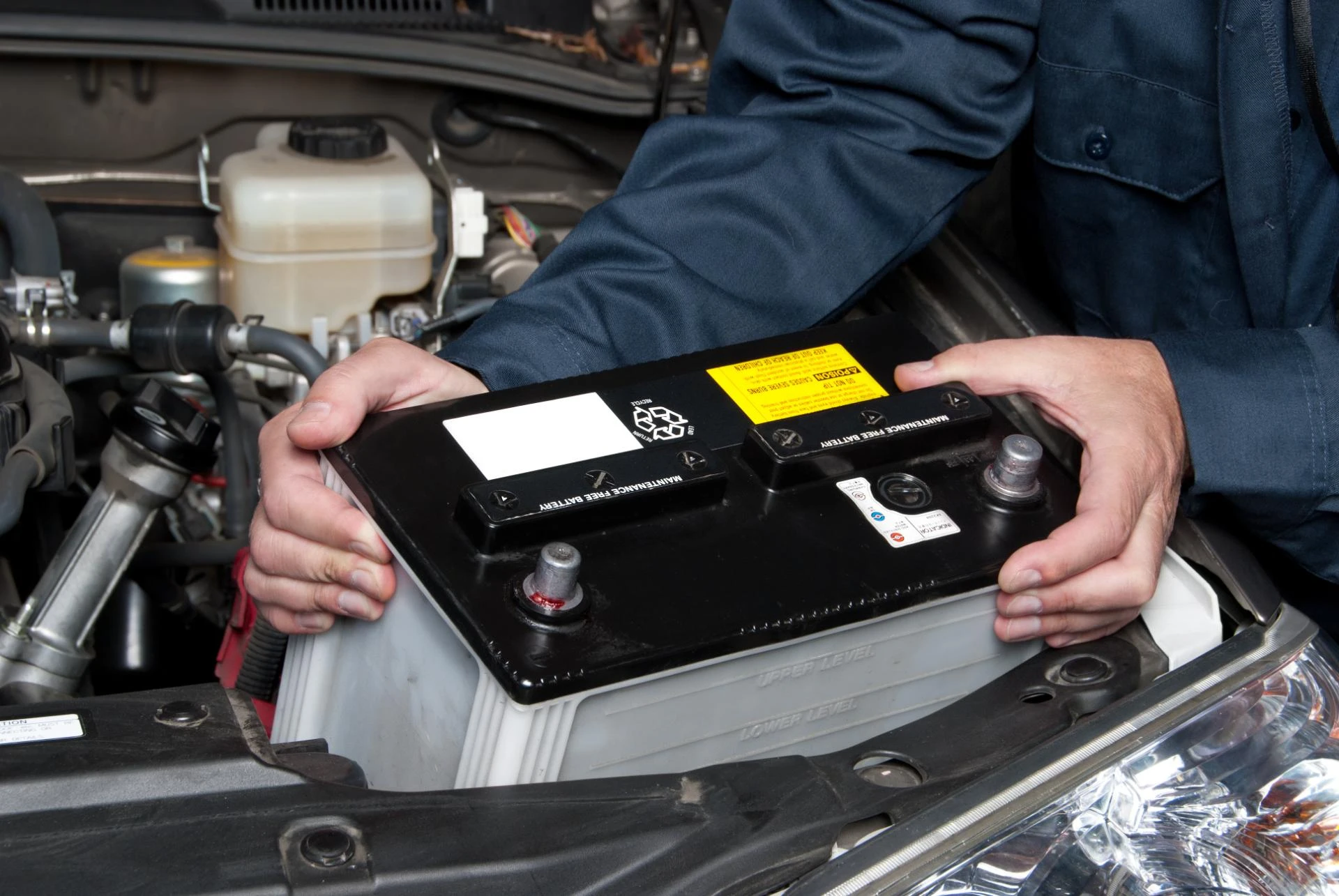
When Should You Replace Your Car Battery?
Most experts recommend replacing your battery every 3–5 years, even if it hasn’t failed yet .
Replace Immediately If:
- Your car won’t start
- Voltage is consistently low
- Battery case is swollen or damaged
Preventive replacement can save you from being stranded.
How to Choose the Right Car Battery
Choosing the right battery depends on your vehicle and driving needs.
1. Check Your Vehicle Requirements
Always match the battery size and specifications recommended by your manufacturer.
2. Consider Climate
If you live in extreme weather conditions, choose AGM or high-performance batteries.
3. Look at Reserve Capacity (RC)
Higher reserve capacity means longer backup power.
4. Cold Cranking Amps (CCA)
Important for cold climates—higher CCA ensures reliable starts.
5. Warranty
Choose batteries with longer warranties for better value.
Cost of Car Batteries in the US
Battery prices vary based on type and brand:
- Lead-acid: $50–$150
- AGM: $150–$300
- Lithium-ion: $500+
While cheaper options may save money upfront, premium batteries often last longer and perform better.
Car Battery Tips for 2026
- Invest in a battery charger or maintainer for long-term storage
- Use smart diagnostics tools to monitor battery health
- Upgrade to AGM if your vehicle has advanced electronics
- Avoid extreme temperature exposure when possible
Future of Car Batteries
The automotive industry is shifting toward more efficient and eco-friendly battery technologies. Electric vehicles are driving innovation, with batteries lasting significantly longer and requiring less maintenance.
As technology advances, we can expect:
- Faster charging times
- Longer lifespan
- Improved energy efficiency
- Lower environmental impact
FAQ About Car Batteries
1. How do I know if my battery is dead or just drained?
If jump-starting works and the battery holds charge, it may just be drained. If it dies again quickly, it likely needs replacement.
2. Can a car battery last 10 years?
Yes, but it’s rare. Most batteries last 3–5 years, though some high-quality or well-maintained ones may last longer.
3. Does idling charge the battery?
Yes, but not as efficiently as driving. Extended idling is not recommended.
4. What kills a car battery fastest?
Heat, short trips, and leaving electronics on are the most common causes.
Conclusion
Your car battery is the heart of your vehicle’s electrical system. Understanding how it works, how long it lasts, and how to maintain it can save you from unexpected breakdowns and costly repairs.
In 2026, with more advanced vehicles on the road, choosing the right battery and maintaining it properly is more important than ever. Whether you’re driving a traditional gas-powered car or a modern electric vehicle, staying proactive about battery care ensures a smoother, safer driving experience.