
Car Glass Repair: The Complete Guide to Fixing Chips, Cracks, and Windshield Damage
Car Glass Repair: The Complete Guide to Fixing Chips, Cracks, and Windshield Damage
Car glass repair is one of the most essential yet often overlooked aspects of vehicle maintenance. A small chip or crack in your windshield may seem harmless at first, but it can quickly turn into a serious safety hazard if left untreated. Whether it’s caused by road debris, weather changes, or accidents, damaged auto glass should be addressed as soon as possible.
In this comprehensive guide, we’ll explore everything you need to know about car glass repair—from how it works and when to repair versus replace, to costs, benefits, and expert tips for maintaining your vehicle’s glass.
What Is Car Glass Repair?
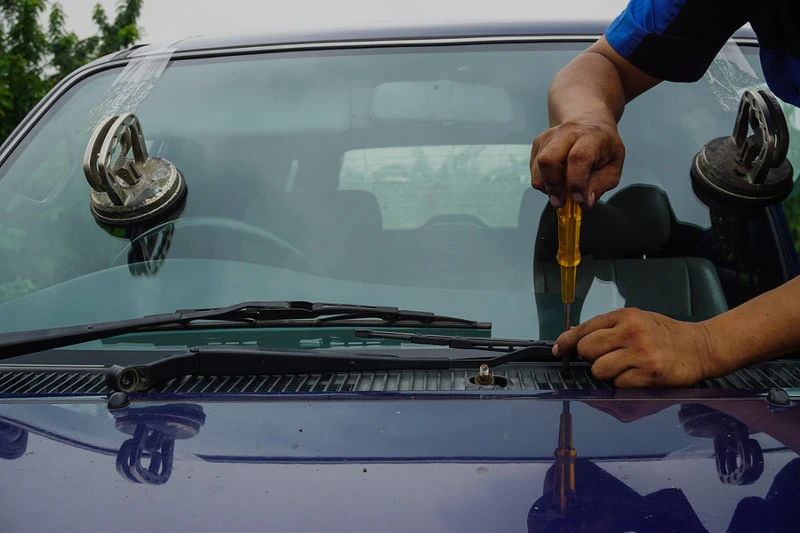
Car glass repair refers to the process of fixing minor damage—such as chips, cracks, or scratches—on your vehicle’s windshield or windows without replacing the entire glass.
The most common type of repair involves windshield damage. Technicians use a specialized resin that is injected into the damaged area, restoring structural integrity and improving visibility.
Modern windshields are made from laminated safety glass, which consists of two layers of glass with a plastic layer in between. This design prevents the glass from shattering completely, making repairs possible in many cases.
Common Causes of Car Glass Damage
Understanding what causes damage can help you prevent it in the future.
1. Road Debris
Small rocks and gravel kicked up by other vehicles are the leading cause of windshield chips.
2. Temperature Changes
Rapid changes in temperature can cause glass to expand and contract, turning small chips into large cracks.
3. Accidents or Impacts
Minor collisions or falling objects can damage your car’s windows or windshield.
4. Poor Road Conditions
Driving on rough or unpaved roads increases the risk of glass damage.
Even a tiny chip can spread quickly due to vibrations and environmental stress, making early repair critical.
Types of Car Glass Damage
Different types of damage require different solutions:
- Chips: Small circular marks caused by impact
- Cracks: Lines that spread across the glass
- Star breaks: Cracks radiating from a central point
- Bullseye damage: Circular damage with a dark center
Each type varies in severity, but most small chips and short cracks can be repaired if addressed early.
How Car Glass Repair Works (Step-by-Step)
The repair process is quick, efficient, and typically completed in under an hour.
1. Inspection and Assessment
Technicians evaluate the size, depth, and location of the damage to determine if repair is possible.
2. Cleaning the Area
The damaged area is cleaned to remove debris, moisture, and air pockets.
3. Resin Injection
A clear resin is injected into the crack or chip, filling the damaged space completely.
4. Curing with UV Light
The resin is hardened using ultraviolet light, bonding it to the glass.
5. Polishing
The surface is polished to restore clarity and smoothness.
This process restores the strength of the glass and prevents further cracking.
When Can You Repair vs Replace Car Glass?
Not all damage can be repaired. Here’s how to tell the difference:
Repair Is Possible When:
- The chip is smaller than a quarter
- The crack is less than 3–6 inches long
- Damage is not in the driver’s line of sight
- The inner glass layer is intact
Replacement Is Needed When:
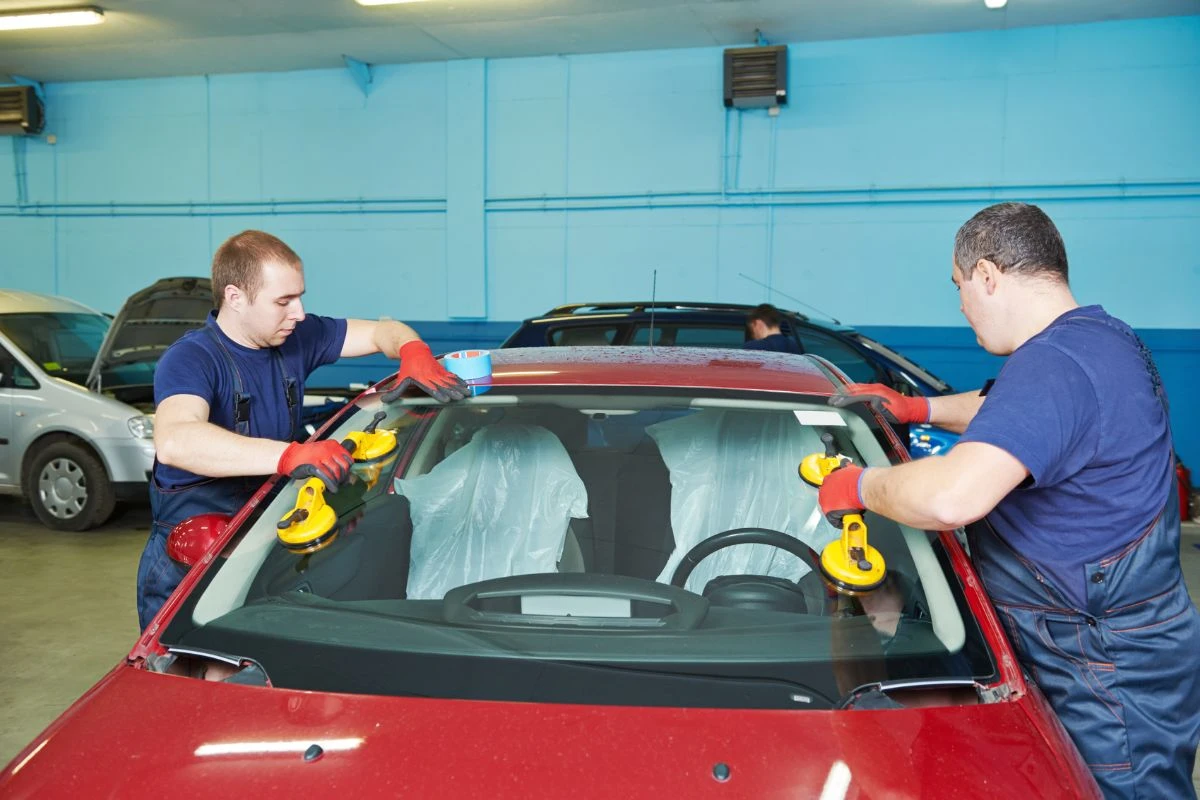
- The crack is long or spreading
- Damage reaches the edge of the windshield
- There are multiple cracks or impact points
- Visibility is compromised
Choosing the right option ensures both safety and cost efficiency.
Benefits of Car Glass Repair
1. Cost Savings
Repairing a windshield is significantly cheaper than replacing it, often costing a fraction of the price.
2. Time Efficiency
Most repairs take only 15–30 minutes, allowing you to get back on the road quickly.
3. Maintains Structural Integrity
Repairing small damage helps preserve the original factory seal of your windshield.
4. Environmentally Friendly
Repairing reduces waste by avoiding unnecessary glass replacement.
5. Prevents Further Damage
Fixing chips early stops cracks from spreading and becoming more expensive to fix.
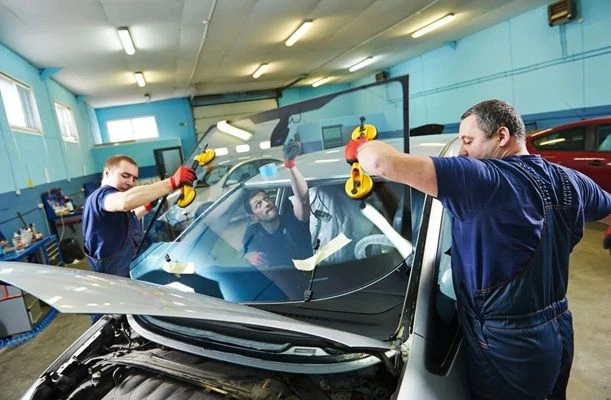
How Much Does Car Glass Repair Cost?
Costs vary depending on the type and severity of damage:
- Small chip repair: $50–$150
- Crack repair: $100–$200
- Windshield replacement: $200–$1,000+
In many cases, insurance may cover repair costs with little or no deductible.
DIY vs Professional Car Glass Repair
DIY Repair Kits
Pros:
- Affordable
- Convenient
Cons:
- Limited effectiveness
- Risk of improper repair
Professional Repair
Pros:
- Higher quality results
- Long-lasting repair
- Ensures safety
Cons:
- Higher cost
For best results, professional repair is recommended—especially for larger or complex damage.
Safety Importance of Car Glass
Your windshield is more than just a piece of glass—it plays a crucial role in your vehicle’s safety.
It helps:
- Maintain structural integrity during accidents
- Support airbag deployment
- Protect passengers from debris
- Prevent ejection during collisions
Driving with a damaged windshield can compromise all of these safety features.
Tips to Prevent Car Glass Damage
1. Keep Distance from Other Vehicles
Avoid driving too close to trucks or vehicles carrying debris.
2. Avoid Extreme Temperatures
Park in shaded areas or garages when possible.
3. Repair Chips Immediately
Address small damage within 24–48 hours to prevent spreading.
4. Drive Carefully on Rough Roads
Reduce speed on gravel or uneven surfaces.
The Role of Modern Technology in Car Glass Repair
Modern vehicles often include Advanced Driver Assistance Systems (ADAS), such as lane departure warnings and collision sensors, which rely on windshield-mounted cameras.
After a windshield replacement, these systems may require recalibration to function properly.
This makes professional service even more important for newer vehicles.
Common Mistakes to Avoid
- Ignoring small chips
- Using low-quality repair kits
- Delaying repairs
- Choosing unqualified technicians
These mistakes can lead to more expensive repairs or safety risks.
Conclusion
Car glass repair is a fast, affordable, and effective way to maintain your vehicle’s safety and appearance. By addressing minor damage early, you can prevent costly replacements and ensure clear visibility on the road.
Understanding when to repair versus replace, choosing professional services, and maintaining your windshield properly are key to keeping your car in top condition.
A small chip today can become a major crack tomorrow—so don’t wait. Taking action early not only saves money but also protects you and your passengers every time you drive.