
Car Scratch Repair: The Ultimate Guide to Fixing Scratches and Restoring Your Car’s Shine
Car Scratch Repair: The Ultimate Guide to Fixing Scratches and Restoring Your Car’s Shine
Car scratches are almost unavoidable. Whether it’s a stray shopping cart, road debris, or an accidental scrape in a parking lot, even the most careful drivers will eventually deal with paint damage. While a scratch may seem like a minor cosmetic issue, ignoring it can lead to bigger problems such as rust, paint deterioration, and reduced resale value.
In this complete guide, we’ll walk you through everything you need to know about car scratch repair—from understanding different types of scratches to choosing between DIY fixes and professional services.
What Is Car Scratch Repair?
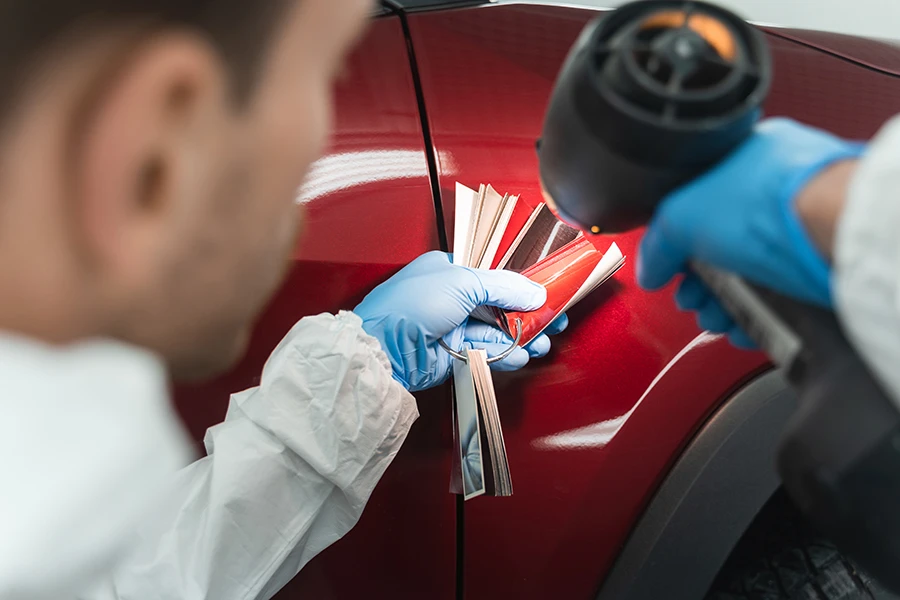
Car scratch repair is the process of restoring damaged paint on your vehicle’s surface. Depending on the severity, this can involve polishing, filling, repainting, or even replacing panels.
Modern car paint typically consists of three layers:
- Clear coat (top protective layer)
- Color/base coat
- Primer (underneath paint)
The deeper the scratch penetrates these layers, the more complex and expensive the repair becomes.
Types of Car Scratches
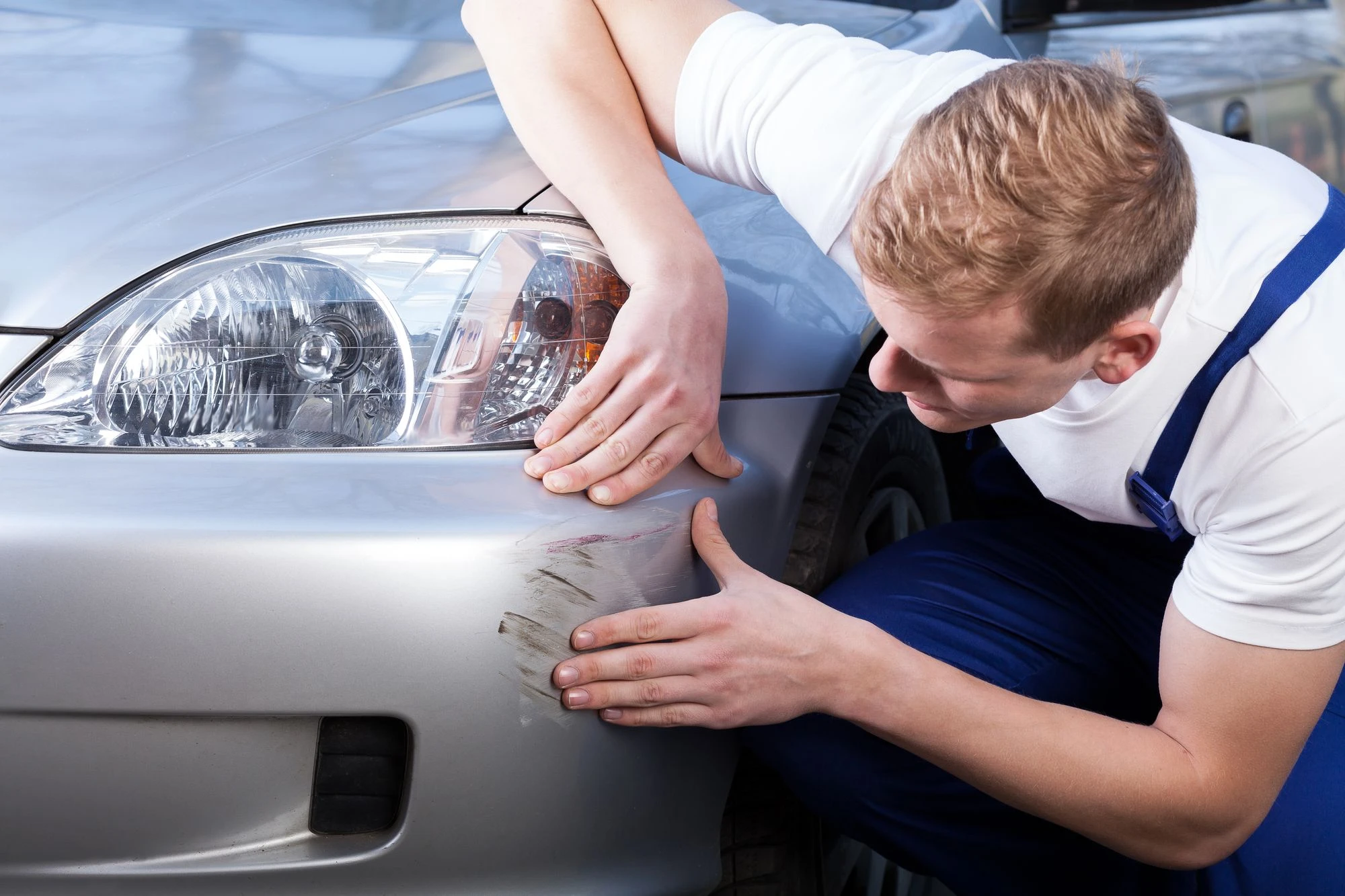
Understanding the type of scratch is the first step in choosing the right repair method.
1. Clear Coat Scratches
These are the most minor scratches, affecting only the top layer.
- Usually caused by light contact or washing
- Often invisible from a distance
- Can be polished out easily
2. Paint Scratches
These go deeper into the color layer.
- More noticeable
- Require touch-up paint or blending
- May need professional repair
3. Deep Scratches (Primer or Metal)
The most severe type of damage.
- Exposes primer or bare metal
- High risk of rust
- Requires sanding, repainting, and sealing
Common Causes of Car Scratches
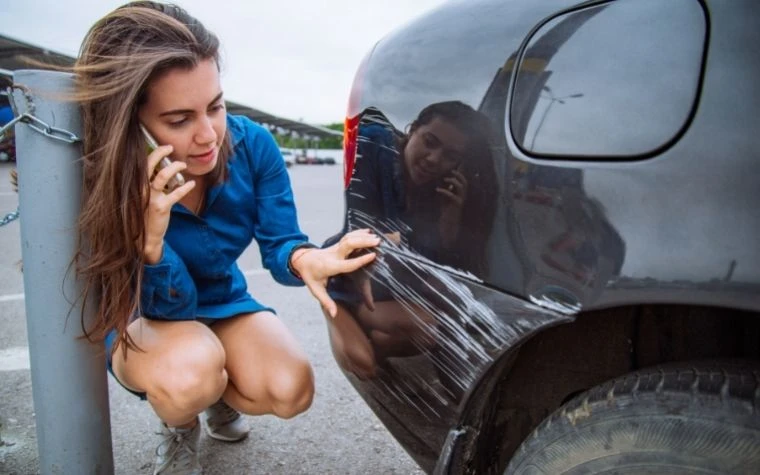
Car scratches can happen in many ways:
- Road debris like rocks and gravel
- Parking lot accidents
- Tree branches or bushes
- Improper washing techniques
- Key scratches or vandalism
Even small scratches can worsen over time due to weather and exposure.
Why You Should Fix Car Scratches Immediately
Many people ignore minor scratches, but that can be a costly mistake.
1. Prevent Rust
If a scratch exposes metal, moisture can cause corrosion quickly.
2. Maintain Vehicle Value
Visible damage reduces resale value and trade-in price.
3. Improve Appearance
Even small scratches can make your car look older and poorly maintained.
4. Avoid Bigger Repairs
A small scratch can spread and become more expensive to fix later.
DIY Car Scratch Repair: Step-by-Step
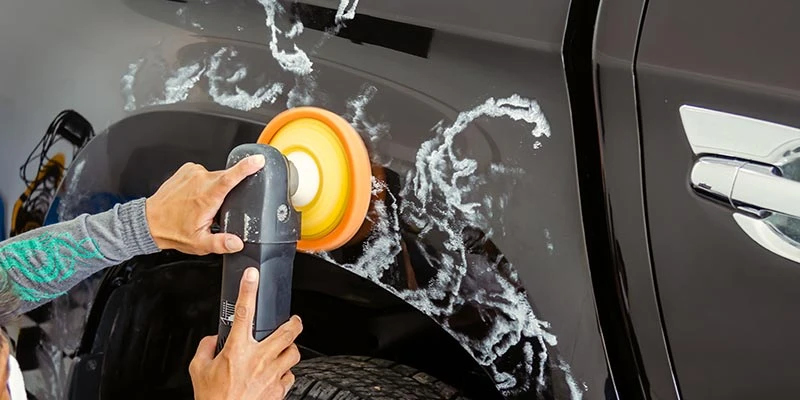
DIY repair is a popular option for minor scratches. It’s affordable and can be done at home with basic tools.
Step 1: Clean the Area
Wash and dry the scratched area thoroughly to remove dirt and debris.
Step 2: Assess the Damage
If your fingernail doesn’t catch on the scratch, it’s likely a surface-level issue.
Step 3: Apply Scratch Remover
Use a polishing compound or scratch remover with a microfiber cloth.
Step 4: Buff the Area
Gently buff the surface in circular motions until the scratch fades.
Step 5: Apply Wax or Sealant
Finish with wax to protect the repaired area.
DIY methods work best for light scratches and scuffs.
DIY vs Professional Car Scratch Repair
Choosing between DIY and professional repair depends on the severity of the damage.
DIY Repair
Best for:
- Light surface scratches
- Small chips
Pros:
- Low cost ($15–$100)
- Quick and convenient
- Easy to do at home
Cons:
- Results may not be perfect
- Limited to minor damage
- Risk of making it worse
Professional Repair
Best for:
- Deep scratches
- Large damaged areas
- High-value vehicles
Pros:
- High-quality, factory-like finish
- Long-lasting results
- Proper color matching
Cons:
- Higher cost ($150–$2,500+)
- Takes more time
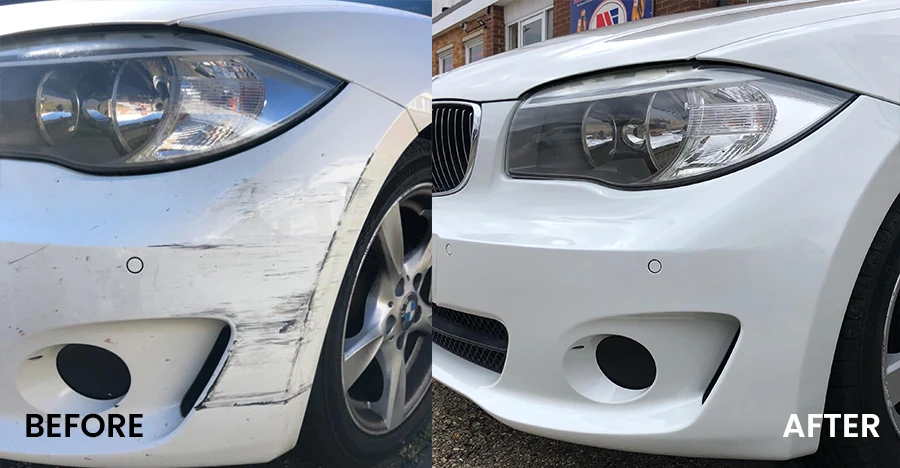
Professional repair often involves sanding, priming, repainting, and clear coating for a seamless finish.
How Much Does Car Scratch Repair Cost?
The cost varies based on the depth and size of the scratch.
Average Costs:
- Minor scratches: $50 – $150
- Moderate scratches: $150 – $400
- Deep scratches: $400 – $1,500+
Factors affecting cost include:
- Paint type (metallic or custom finishes cost more)
- Location of damage
- Labor rates
- Size of the affected area
Repairing early can significantly reduce costs.
When Should You Choose Professional Repair?
You should go to a body shop if:
- The scratch exposes metal
- The damage covers multiple panels
- You want a flawless finish
- The car is new, leased, or high-value
Deep scratches require proper sealing to prevent rust and long-term damage.
Common Mistakes to Avoid
Many car owners make these mistakes when dealing with scratches:
1. Ignoring Small Scratches
Even minor damage can worsen over time.
2. Using the Wrong Products
Household cleaners or abrasive materials can damage paint.
3. Skipping Surface Prep
Failing to clean properly can lead to poor results.
4. Over-Polishing
Too much pressure can remove clear coat and worsen the issue.
How to Prevent Car Scratches
Prevention is always better than repair.
1. Park Carefully
Avoid tight spaces and high-traffic areas.
2. Keep Distance While Driving
Stay away from trucks and vehicles carrying debris.
3. Use Proper Washing Techniques
Use microfiber cloths and avoid rough materials.
4. Apply Protective Coatings
Wax or ceramic coatings add a layer of protection.
Are DIY Repairs Worth It?
DIY repairs are a great option for minor scratches, especially if you’re on a budget. However, they require patience and careful execution.
For deeper damage, professional repair is often the better investment. It ensures durability, improves appearance, and protects your car’s value.
Conclusion
Car scratch repair is an essential part of maintaining your vehicle’s appearance and long-term value. Whether you choose a DIY solution or professional service depends on the severity of the damage, your budget, and the results you expect.
By understanding the types of scratches, repair methods, and costs involved, you can make informed decisions and keep your car looking like new.
Remember: a small scratch today can become a major problem tomorrow. Taking action early is the smartest way to protect your vehicle—and your wallet.