
Cars Explained: Types, Features, and How to Choose the Right Vehicle

Cars Explained: A Complete Guide to Modern Vehicles
Cars have become an essential part of everyday life in the United States, offering convenience, independence, and mobility. From daily commuting to long road trips, cars make transportation faster and more efficient than ever before.
A car, also known as an automobile, is a motor vehicle with wheels designed primarily to carry passengers and operate on roads using an engine or electric motor.
Over the years, cars have evolved from simple mechanical machines into advanced technological systems equipped with safety features, smart connectivity, and even autonomous driving capabilities. In this guide, we’ll explore everything you need to know about cars, including types, features, benefits, and how to choose the right one.
What Is a Car?
At its core, a car is a self-propelled vehicle designed for personal transportation. Most cars have four wheels, seat between one and eight passengers, and run on gasoline, diesel, hybrid systems, or electricity.
Cars have transformed how people live and work. In the past, people had to live close to their workplaces, but modern transportation allows individuals to travel long distances easily.

Main Types of Cars
Understanding different types of cars is essential when choosing the right vehicle. Each type offers unique advantages depending on your lifestyle, budget, and driving needs.
1. Sedans
Sedans are one of the most common car types in the U.S. They typically have four doors and a separate trunk.
Key benefits:
- Fuel-efficient and affordable
- Comfortable for daily commuting
- Easy to handle and park
Sedans are ideal for individuals or small families looking for reliability and cost savings.
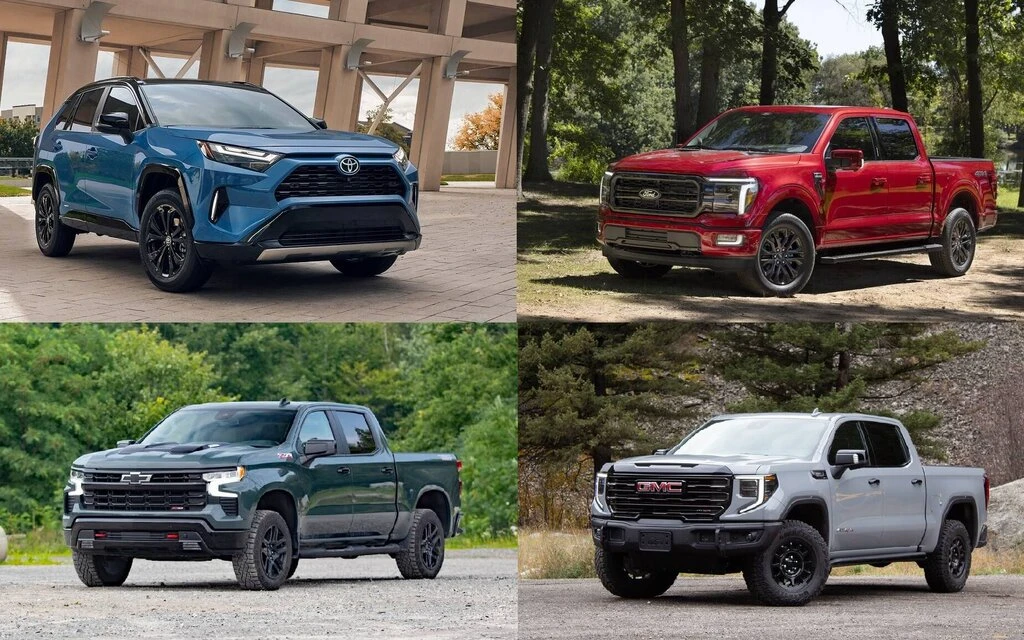
2. SUVs (Sport Utility Vehicles)
SUVs have become extremely popular due to their versatility and spacious interiors.
Key benefits:
- More passenger and cargo space
- Higher driving position for better visibility
- Suitable for road trips and families
Many SUVs also offer all-wheel drive and off-road capability, making them a flexible choice for various terrains.
3. Pickup Trucks
Pickup trucks are designed for heavy-duty tasks such as towing and hauling.
Key benefits:
- Strong towing capacity
- Durable and rugged design
- Open cargo bed for large items
Trucks are popular among workers, outdoor enthusiasts, and anyone needing extra utility.
4. Hatchbacks
Hatchbacks are compact cars with a rear door that opens upward, combining passenger and cargo space.
They are great for city driving due to their small size and fuel efficiency.
5. Electric Vehicles (EVs) and Hybrids
Modern cars now include electric and hybrid options.
- Electric vehicles (EVs): Run entirely on battery power
- Hybrids: Combine gasoline engines with electric motors
These vehicles are more environmentally friendly and often have lower long-term operating costs.
How Cars Work
Cars operate through a combination of mechanical and electronic systems. Most traditional vehicles use internal combustion engines, where fuel and air are ignited to create energy that moves the vehicle.
Key components include:
- Engine or electric motor
- Transmission system
- Brakes and steering
- Wheels and suspension
Modern cars also feature advanced technology such as sensors, cameras, and onboard computers for improved safety and performance.
Benefits of Owning a Car
Owning a car offers several advantages that make it a valuable investment for many Americans.
Convenience and Freedom
Cars provide the ability to travel anytime without relying on public transportation schedules.
Time Efficiency
Driving often reduces travel time, especially in suburban or rural areas.
Comfort and Privacy
A personal vehicle allows you to control your environment, including temperature, music, and seating comfort.
Versatility
From commuting to road trips, cars support a wide range of activities and lifestyles.

Challenges of Car Ownership
While cars offer many benefits, they also come with responsibilities and challenges.
Cost
Expenses include fuel, insurance, maintenance, and repairs.
Environmental Impact
Gasoline-powered cars contribute to air pollution and climate change.
Traffic and Parking
Urban areas often experience congestion and limited parking spaces.
Understanding these factors can help you make a more informed decision when purchasing a vehicle.

Key Features to Look for in a Car
When choosing a car, it’s important to evaluate its features based on your needs.
Safety Features
Modern cars include advanced safety systems such as:
- Anti-lock braking systems (ABS)
- Airbags
- Lane departure warnings
- Automatic emergency braking
Fuel Efficiency
Fuel-efficient vehicles save money over time and reduce environmental impact.
Technology and Connectivity
Many cars now come with:
- Touchscreen displays
- Smartphone integration
- Navigation systems
- Voice control
The Rise of Smart and Self-Driving Cars
Technology is rapidly transforming the automotive industry. Self-driving cars use sensors, cameras, and artificial intelligence to navigate roads with minimal human input.
Although fully autonomous vehicles are still being developed, many cars already include semi-autonomous features like adaptive cruise control and lane-keeping assistance.
How to Choose the Right Car
Choosing the right car depends on several key factors:
1. Budget
Determine how much you can afford, including long-term costs like fuel and maintenance.
2. Lifestyle
- Families may prefer SUVs
- City drivers may choose compact cars
- Outdoor enthusiasts may need trucks
3. Fuel Type
Decide between gasoline, hybrid, or electric based on your driving habits and environmental concerns.
4. Space Needs
Consider passenger capacity and cargo space for your daily activities.
Future Trends in the Car Industry
The automotive industry is evolving rapidly, with several key trends shaping the future:
- Increased adoption of electric vehicles
- Development of autonomous driving technology
- Improved fuel efficiency and sustainability
- Integration of smart technology and connectivity
These advancements are expected to make cars safer, more efficient, and more environmentally friendly in the coming years.
Conclusion
Cars play a crucial role in modern life, offering unmatched convenience, flexibility, and independence. From sedans and SUVs to electric vehicles, there are countless options available to suit different needs and preferences.
Understanding the types of cars, their features, and the factors to consider when buying one can help you make the best decision. Whether you’re a first-time buyer or upgrading your current vehicle, choosing the right car ensures a better driving experience and long-term satisfaction.
FAQ
What is a car?
A car is a motor vehicle with four wheels designed for transporting passengers on roads.
What are the main types of cars?
The main types include sedans, SUVs, pickup trucks, hatchbacks, and electric vehicles.
Are electric cars better than gas cars?
Electric cars are more environmentally friendly and have lower operating costs, but they may have higher upfront prices.
What is the best car for families?
SUVs are often the best choice for families due to their space, safety, and versatility.