
Driving on a Cracked Rim Could Be Far More Dangerous Than Most Drivers Think
Driving on a Cracked Rim Could Be Far More Dangerous Than Most Drivers Think
Most drivers have experienced it at least once.
You hit a pothole harder than expected.
The car jolts violently.
You hear a sharp impact.
Then you keep driving, hoping everything is fine.
Sometimes it is.
But sometimes, that single moment quietly damages one of the most important safety components on your vehicle — the wheel rim.
And the dangerous part is that many drivers don’t even realize it.
A cracked rim may initially seem like minor cosmetic damage, especially if the vehicle still appears drivable. But beneath the surface, even a small crack can create serious risks affecting tire pressure, handling, braking stability, suspension performance, and overall road safety.
In some cases, continuing to drive on a cracked rim can eventually lead to complete tire failure or loss of vehicle control at high speeds.
That’s why automotive experts consistently warn drivers not to ignore wheel damage — even when the car still “feels normal.”
Because the truth is simple:
A cracked rim is never something to take lightly.
What Exactly Is a Cracked Rim?
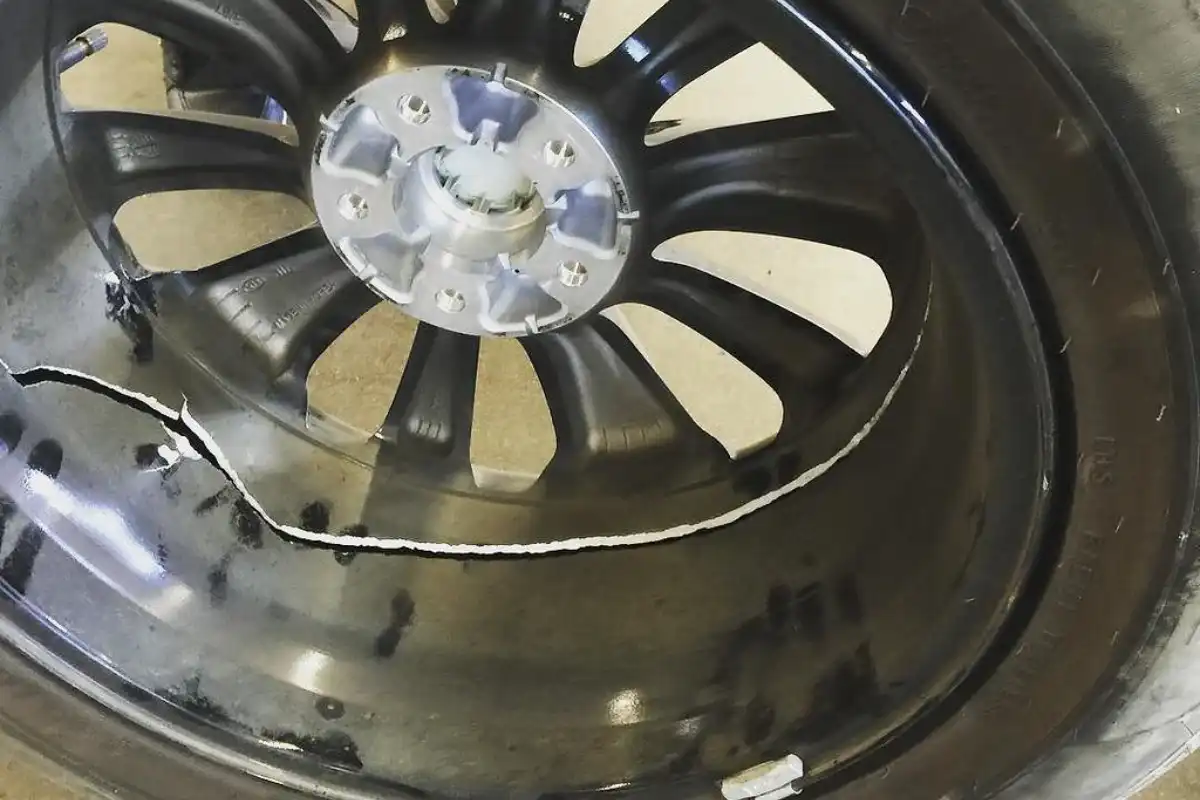
A cracked rim occurs when part of the wheel structure develops a fracture due to stress, impact, or material fatigue.
Most modern passenger vehicles use alloy wheels because they are lightweight, stylish, and improve handling performance. However, alloy wheels can also be more vulnerable to cracking under severe impacts compared to traditional steel wheels.
Cracks typically form after:
- Hitting potholes
- Striking curbs
- Driving over road debris
- Accidents or collisions
- Excessive wheel stress
- Poor road conditions
- Long-term metal fatigue
Some cracks are immediately visible, while others develop slowly over time and remain hidden until symptoms become more severe.
Why Driving on a Cracked Rim Is Dangerous
One of the biggest problems with cracked rims is that the danger is often underestimated.
Many drivers assume:
“The tire still holds air, so it’s probably fine.”
Unfortunately, that assumption can become extremely risky.
A wheel rim plays a major role in supporting the tire, maintaining air pressure, distributing weight evenly, and stabilizing the vehicle during movement.
When the rim structure becomes compromised, several dangerous issues can develop.
Air Pressure Loss
Even small cracks can allow air to leak slowly from the tire.
This creates inconsistent tire pressure, which affects:
- Steering response
- Fuel efficiency
- Tire wear
- Braking performance
- Vehicle stability
Drivers may find themselves constantly refilling tires without realizing the real problem is hidden wheel damage.
Sudden Tire Failure
One of the most serious risks is blowouts.
As the crack worsens under repeated driving stress, the wheel may eventually fail completely. If that happens at highway speeds, drivers can suddenly lose control of the vehicle.
High-speed tire failures are especially dangerous because reaction time becomes extremely limited.
Poor Vehicle Handling
A damaged rim can affect how the tire sits against the road surface.
This may cause:
- Vibrations while driving
- Uneven steering feel
- Pulling to one side
- Reduced traction
- Instability during turns
These issues become even more dangerous during wet weather or emergency maneuvers.
Common Signs Your Rim May Be Cracked
Some cracked rims are obvious. Others are surprisingly difficult to detect without inspection.
However, several warning signs commonly appear when wheel damage exists.
Constant Tire Pressure Loss
If one tire repeatedly loses air despite no visible puncture, the rim itself may be damaged.
Slow leaks are among the most common symptoms of cracked wheels.
Steering Wheel Vibrations
Unusual vibrations at higher speeds often indicate wheel imbalance or structural damage.
If balancing and tire checks don’t solve the issue, a cracked rim could be responsible.
Visible Damage
In some cases, cracks can actually be seen on the inside or outside edge of the wheel.
However, not all cracks are easy to notice. Some only become visible after removing the tire entirely.
Strange Driving Feel
Drivers sometimes describe the vehicle feeling:
- Less stable
- Slightly wobbly
- Unusually rough
- Harder to control
Even small changes in handling should never be ignored after hitting potholes or curbs.
Potholes Are a Bigger Threat Than Most Drivers Realize
Modern roads can be brutal on wheels.
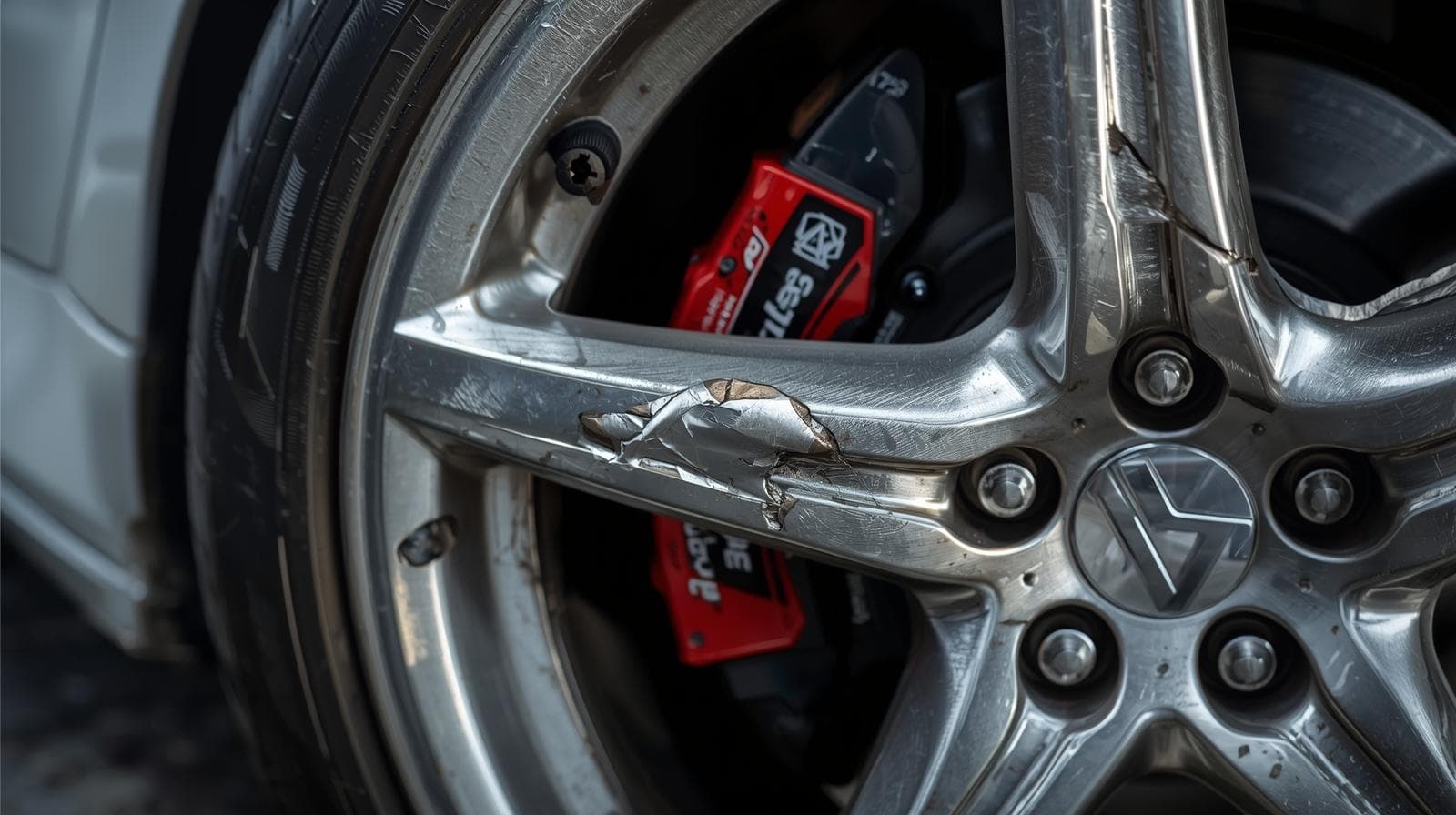
Potholes are especially dangerous because they create sudden concentrated impact forces directly against the rim edge.
Low-profile tires — popular on many modern vehicles — make the problem even worse because there is less tire sidewall cushioning between the road and wheel.
That means the rim absorbs more impact energy directly.
In cities with rough roads, freezing temperatures, or poor infrastructure, cracked rims have become increasingly common.
Alloy Wheels vs. Steel Wheels
Alloy wheels dominate modern automotive design because they offer:
- Better appearance
- Reduced weight
- Improved handling
- Enhanced performance
However, alloy wheels are typically more brittle than steel wheels.
Steel wheels often bend under impact, while alloy wheels are more likely to crack.
That doesn’t necessarily make alloy wheels bad — they simply respond differently to stress.
Luxury vehicles and performance cars with large low-profile wheels are especially vulnerable because their tires provide less protection from road impacts.

Why Small Cracks Can Become Bigger Problems
One dangerous misconception is that tiny rim cracks are harmless.
In reality, cracks often spread over time.
Every rotation of the wheel places repeated stress on the damaged area. Heat, road vibration, braking forces, and cornering pressure can gradually expand the fracture.
What begins as a tiny leak may eventually become structural failure.
That’s why professional inspections are extremely important after significant wheel impacts.
Can a Cracked Rim Be Repaired?
In some situations, yes.
Professional wheel repair specialists can sometimes weld and restore damaged alloy rims depending on:
- Crack location
- Crack size
- Wheel material
- Structural integrity
- Safety standards
However, not every wheel should be repaired.
Severely damaged rims or cracks near critical structural areas may require full replacement for safety reasons.
Cheap DIY fixes or temporary sealants are never reliable long-term solutions for structural wheel damage.
Why Professional Inspection Matters
Many wheel cracks are difficult for average drivers to identify properly.
A professional inspection can determine:
- Whether the wheel is repairable
- If the damage affects structural integrity
- Whether balancing issues exist
- If hidden suspension damage occurred simultaneously
Ignoring wheel inspections after major impacts can allow dangerous problems to worsen unnoticed.
The Financial Cost of Ignoring Rim Damage
Some drivers postpone repairs because the vehicle still seems drivable.
But delaying repairs often becomes more expensive later.
Driving on a cracked rim can lead to:
- Tire destruction
- Suspension wear
- Alignment issues
- Brake system stress
- Additional wheel damage
In severe cases, accidents caused by wheel failure can create enormous repair costs far beyond the price of fixing the rim initially.
Prevention Is Far Cheaper Than Repairs
While road hazards can’t always be avoided, drivers can reduce rim damage risk by:
- Avoiding potholes whenever possible
- Maintaining proper tire pressure
- Driving carefully on rough roads
- Slowing down near road hazards
- Inspecting wheels after major impacts
- Rotating and balancing tires regularly
Even simple maintenance habits can significantly reduce long-term wheel stress.
Low-Profile Tires Increase Risk
Many modern vehicles use stylish low-profile tires for aesthetics and handling performance.
However, these tires provide less cushioning during impacts.
As a result, vehicles with larger wheels and thinner tires are often more vulnerable to cracked rims after hitting potholes or curbs.
This is especially common among:
- Sports cars
- Luxury sedans
- Performance SUVs
- Modified vehicles
Drivers often prioritize appearance without realizing the tradeoff in wheel protection.
Why Wheel Damage Should Never Be Ignored
Cars are designed around balance and structural stability.
Even seemingly small wheel damage affects how forces transfer through the entire vehicle.
A cracked rim isn’t merely cosmetic — it’s a structural issue directly connected to safety, traction, braking, and steering control.
And because symptoms sometimes develop gradually, drivers may underestimate the seriousness until problems become severe.
That’s exactly what makes cracked rims dangerous.
Modern Roads Are Tougher on Wheels Than Ever
Today’s vehicles often feature:
- Larger rims
- Thinner tire sidewalls
- Heavier vehicle weights
- Stiffer suspension setups
Combined with deteriorating roads in many areas, wheel damage has become increasingly common.
The modern automotive trend toward aggressive wheel styling has unintentionally increased vulnerability to pothole damage.
Final Thoughts
A cracked rim might seem like a small problem at first.
But underneath the surface, it can quietly compromise tire pressure, handling, braking stability, and overall vehicle safety in ways many drivers don’t immediately notice.
What starts as a minor crack can eventually become:
- A dangerous blowout
- Sudden tire failure
- Loss of vehicle control
- Expensive suspension damage
- Major repair costs
That’s why wheel damage should never be ignored — even if the car still appears drivable.
Because when it comes to vehicle safety, the parts drivers overlook are often the ones that matter most.