
GM Adds Digital In-Car Personalization to Older Vehicles with AI Technology
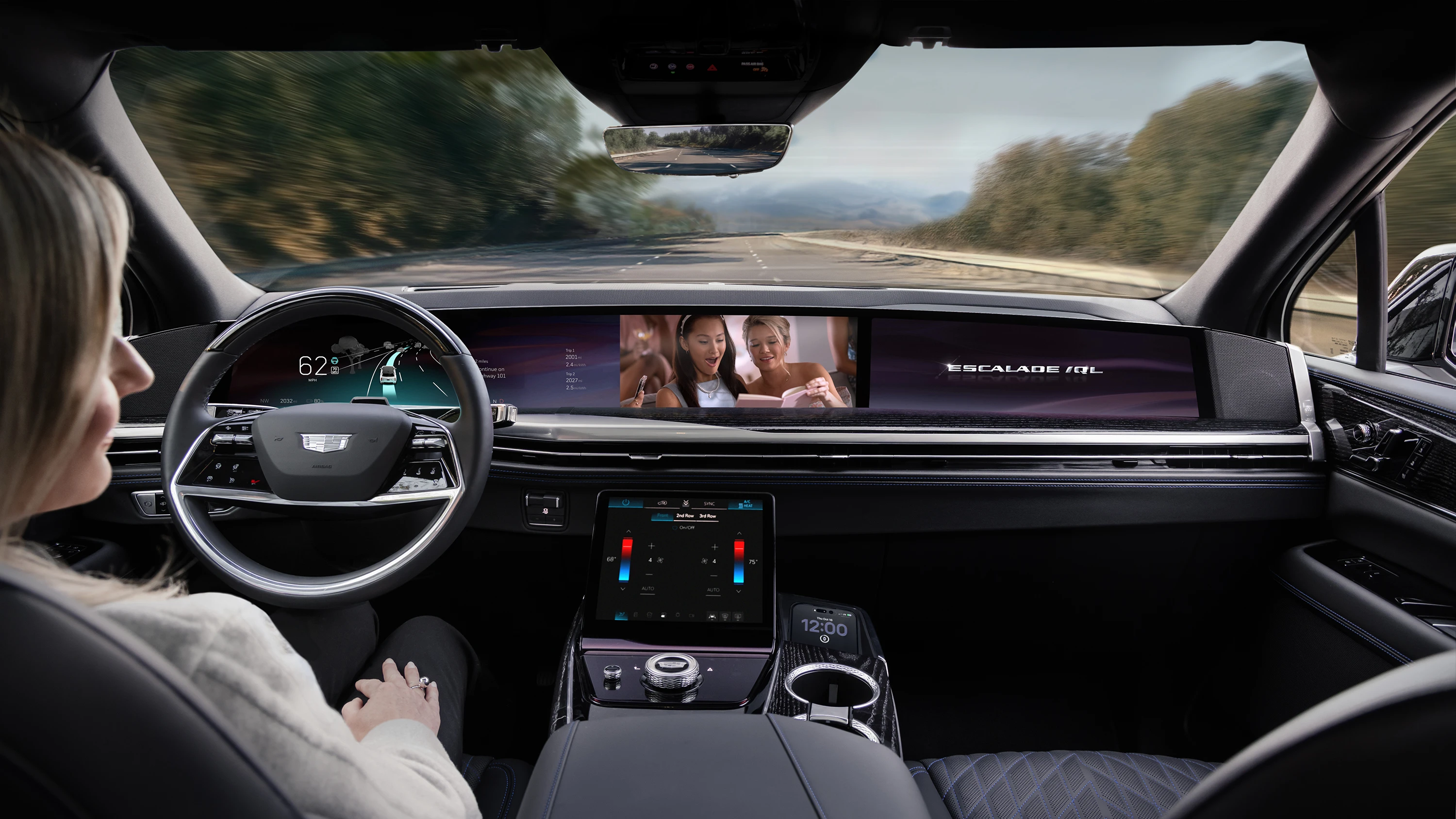
GM Brings Digital Personalization to Older Cars with AI-Powered Upgrades
The automotive industry is undergoing a major transformation, and General Motors (GM) is at the forefront of this evolution. In a move that signals a shift toward smarter, more connected vehicles, GM is expanding digital in-car personalization not only to its newest models but also to older vehicles.
This development is particularly significant because it breaks the long-standing assumption that cutting-edge automotive technology is limited to brand-new cars. With the integration of artificial intelligence and over-the-air (OTA) updates, millions of drivers can now enjoy features that were once exclusive to the latest releases.
A New Era of Connected Vehicles
Traditionally, buying a new car was the only way to access the latest technology. However, GM is redefining this model by delivering advanced features through software rather than hardware upgrades.
According to General Motors, older vehicles are becoming “just as smart as new ones” thanks to OTA updates and AI-powered systems.
This shift reflects a broader trend in the automotive world: cars are no longer static machines—they are evolving digital platforms.
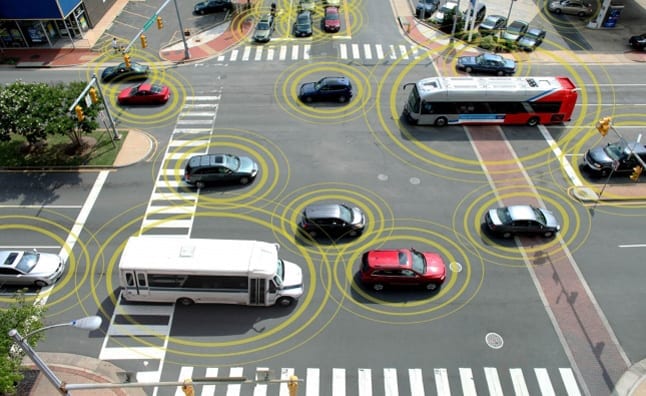
What Is Digital In-Car Personalization?
Digital personalization refers to the ability of a vehicle to adapt to the preferences and habits of its driver. This includes:
- Customized infotainment settings
- Personalized navigation suggestions
- Voice assistant interactions
- Adaptive climate and comfort controls
With AI integration, vehicles can now learn from user behavior, making driving more intuitive and convenient over time.
How AI Powers the Experience
At the core of GM’s innovation is the integration of advanced artificial intelligence, including technologies like Google Gemini.
AI systems enable:
- Natural voice conversations with the vehicle
- Real-time route adjustments based on preferences
- Smart recommendations for stops, music, or services
- Context-aware responses to driver requests
Recent developments show that millions of GM vehicles are gaining AI assistants capable of understanding complex commands and maintaining conversational context.
This means drivers no longer need to memorize specific commands—the system understands natural language, making interactions seamless.
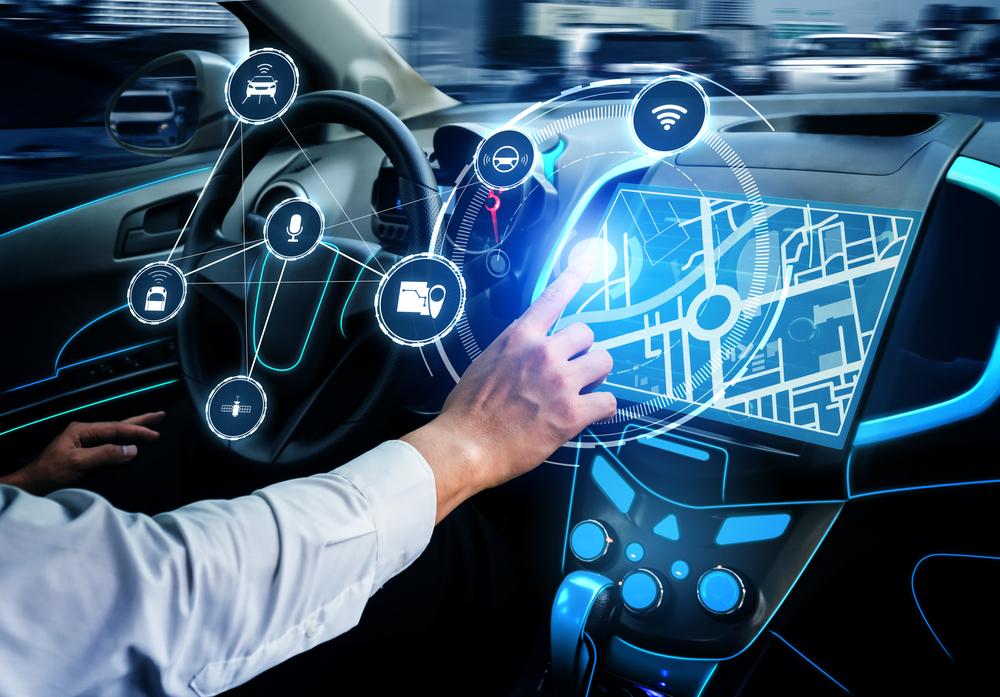
Extending Features to Older Models
One of the most groundbreaking aspects of this update is its availability for older vehicles.
Instead of limiting innovation to new releases, GM is using OTA updates to bring modern features to existing cars. This approach offers several advantages:
- Cost savings: Drivers don’t need to buy new vehicles
- Sustainability: Extends the lifespan of current cars
- Accessibility: More people can benefit from advanced technology
In some cases, updates are reaching vehicles produced years ago, proving that software-driven innovation can redefine the lifecycle of automobiles.
The Role of Over-the-Air Updates
OTA updates are the backbone of this transformation. Similar to smartphone updates, they allow vehicles to receive new features remotely.
Key benefits include:
- Instant software upgrades without visiting a dealership
- Continuous improvement of vehicle performance
- Enhanced security and system stability
GM’s connected vehicle ecosystem, powered by platforms like OnStar, enables seamless deployment of these updates at scale.
Why This Matters for Drivers
For everyday drivers, this innovation translates into a significantly improved experience.
1. Convenience
Drivers can control navigation, messaging, and entertainment using simple voice commands.
2. Personalization
Vehicles adapt to individual preferences, creating a tailored driving environment.
3. Safety
Hands-free interaction reduces distractions and enhances focus on the road.
4. Longevity
Older vehicles remain relevant and competitive with newer models.
AI and the Future of Driving
GM’s push toward AI-powered personalization is part of a larger vision for the future of mobility.
The company is investing heavily in:
- Predictive maintenance systems
- Smart navigation based on real-time data
- Autonomous driving technologies
Reports indicate that GM plans to further enhance personalization by developing its own custom AI systems that can anticipate driver needs and adapt in real time.
This could include features like:
- Suggesting destinations based on daily routines
- Recommending charging or fuel stops
- Adjusting vehicle settings automatically
Challenges and Considerations
While the benefits are clear, there are also challenges associated with this technological shift.
1. Data Privacy
As vehicles collect more data, ensuring user privacy becomes critical.
2. Software Reliability
Frequent updates must be carefully tested to avoid system glitches.
3. Compatibility
Not all older vehicles may support every feature due to hardware limitations.
Despite these challenges, automakers are working to strike a balance between innovation and reliability.
How GM Compares to Competitors
GM is not alone in exploring digital personalization, but its approach stands out.
Unlike some competitors that restrict features to new models, GM is:
- Leveraging OTA updates to reach a wider audience
- Integrating AI across multiple vehicle segments
- Focusing on long-term user experience rather than one-time upgrades
This strategy positions GM as a leader in the transition toward software-defined vehicles.
The Bigger Picture: Cars as Digital Platforms
The concept of cars as digital platforms is gaining momentum across the industry.
Modern vehicles are increasingly defined by:
- Software capabilities
- Connectivity features
- Integration with external services
This shift is similar to the evolution of smartphones, where software updates continuously enhance functionality long after purchase.
What This Means for the Automotive Industry
GM’s move could have far-reaching implications:
- Redefining ownership: Cars become upgradable assets
- Changing business models: Subscription-based features may become common
- Accelerating innovation: Faster rollout of new technologies
As more automakers adopt similar strategies, the entire industry may shift toward a more dynamic, software-driven ecosystem.
FAQs
What is digital in-car personalization?
It’s the ability of a vehicle to adapt to driver preferences using software and AI.
Can older cars really get new features?
Yes, through OTA updates, many older GM vehicles can receive advanced functionality.
Is AI safe in cars?
AI enhances safety by enabling hands-free control and reducing distractions.
Do these updates cost money?
Some features may be included, while others could be part of subscription services.
Conclusion
GM’s decision to bring digital in-car personalization to older vehicles marks a major milestone in automotive innovation. By combining AI technology with over-the-air updates, the company is transforming cars into evolving digital platforms that improve over time.
For drivers, this means more convenience, better safety, and a personalized experience—without the need to purchase a new vehicle. For the industry, it signals a future where software plays a central role in defining what a car can do.
As technology continues to advance, one thing is clear: the cars of tomorrow won’t just drive—they’ll learn, adapt, and grow with you.