
How Automakers Are Enhancing Reality for Luxury Car Drivers
Introduction
Luxury vehicles in the United States are entering a bold new era—one where the line between the physical and digital world is becoming increasingly blurred. Automakers are no longer just competing on horsepower, design, or comfort. Today, they’re racing to redefine the driving experience itself using cutting-edge technologies like augmented reality (AR).
From futuristic windshields that overlay navigation directions directly onto the road to immersive infotainment systems that respond in real time, AR is transforming how drivers interact with their vehicles. What was once considered science fiction is now becoming standard in high-end cars.
A recent report highlights how major automakers are embracing augmented reality to deliver safer, smarter, and more engaging driving experiences—especially for luxury car buyers.
What Is Augmented Reality in Cars?
Augmented reality, often referred to as AR, enhances the real-world environment by overlaying digital information onto it. In the automotive world, this typically means projecting useful data—like navigation prompts, hazard warnings, or speed—directly into the driver’s field of vision.
Unlike traditional screens that require drivers to look away from the road, AR systems integrate information seamlessly into what the driver already sees. This reduces distractions while improving awareness.
In many modern vehicles, AR is delivered through advanced head-up displays (HUDs). These systems project information onto the windshield, allowing drivers to stay focused while still receiving critical updates.
Luxury Brands Leading the AR Revolution
Some of the biggest names in the automotive industry are already integrating AR into their flagship models. Companies like Audi, Mercedes-Benz, and BMW are at the forefront of this innovation.
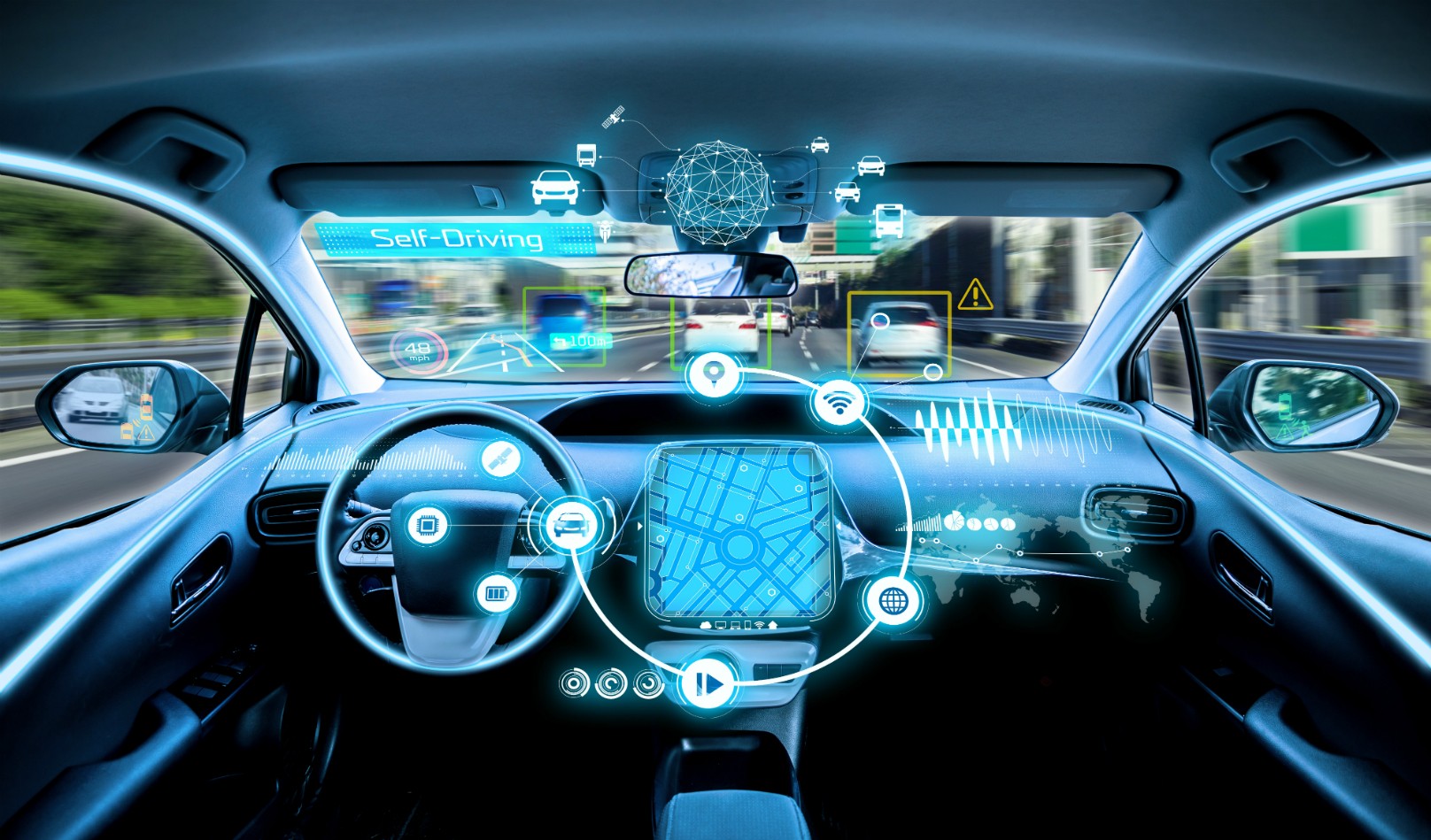
These automakers have introduced AR-enhanced navigation systems that go far beyond traditional GPS. Instead of simply displaying a map, the system overlays arrows, lane guidance, and directions directly onto a live view of the road.
For example, when approaching a turn, drivers might see a large arrow appear on the windshield aligned with the actual street they need to take. This eliminates confusion and makes navigation more intuitive—especially in complex urban environments.
From Small Displays to Full Windshield Experiences
Early versions of AR in vehicles were relatively limited, often confined to small displays showing basic information. But recent advancements are expanding these capabilities dramatically.
New systems can now project graphics across a much larger portion of the windshield, blending digital visuals with real-world objects like road signs, lane markings, and even nearby vehicles.
This creates a more immersive experience, where the car effectively “enhances reality” for the driver. Instead of switching attention between screens, drivers receive contextual information exactly where they need it.
In the future, entire windshields could function as interactive displays, turning the driving experience into something closer to a digital interface layered over the real world.
Improving Safety Through Smarter Visualization
One of the biggest advantages of AR technology in cars is its potential to improve safety.
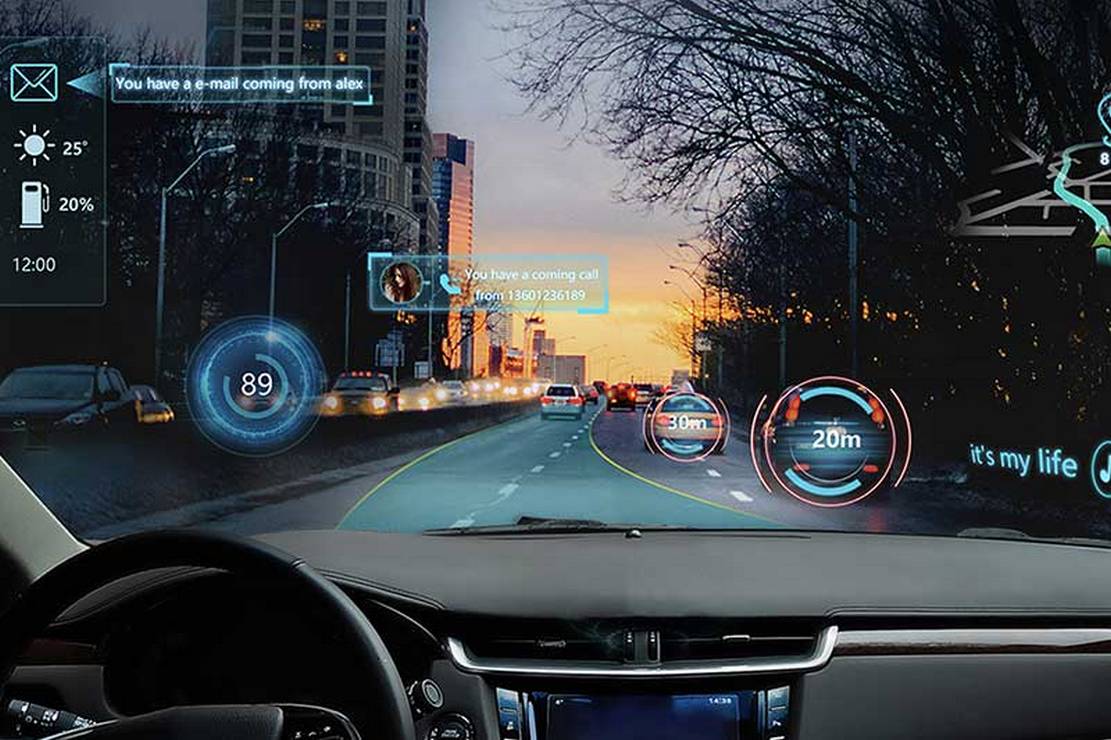
By presenting information directly in the driver’s line of sight, AR reduces the need to glance down at dashboards or infotainment systems. This helps drivers keep their eyes on the road, which is critical for preventing accidents.
AR systems can also highlight potential hazards. For instance, they might:
- Outline pedestrians or cyclists in low-visibility conditions
- Display warnings for sudden obstacles
- Show safe following distances
- Provide real-time lane guidance
These features enhance situational awareness and help drivers make quicker, more informed decisions.
A More Personalized and Immersive Driving Experience
Beyond safety, AR is also about creating a more enjoyable and personalized driving experience.
Luxury car buyers increasingly expect vehicles to feel like an extension of their digital lives. AR delivers on that expectation by offering:
- Interactive navigation that feels intuitive
- Customizable display settings
- Integration with voice assistants and AI systems
- Seamless connectivity with smartphones and apps
In many cases, these systems are powered by artificial intelligence, which learns driver preferences over time. This allows the vehicle to tailor information and recommendations to each individual driver.
The Role of AR in the Future of Autonomous Driving
As the automotive industry moves toward autonomous driving, AR will play an even more important role.
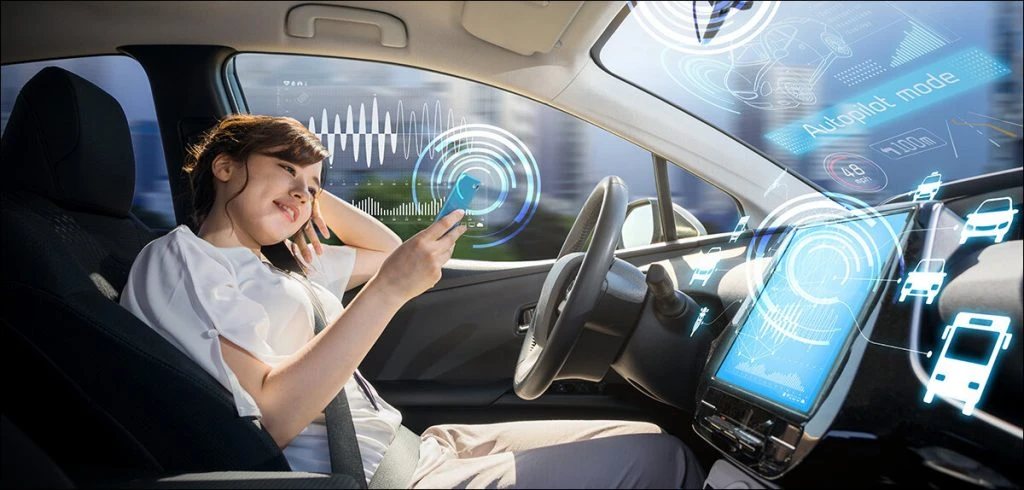
In semi-autonomous or fully autonomous vehicles, AR can help keep drivers informed about what the car is doing and why. For example, the system might highlight objects the vehicle is detecting or show planned routes in real time.
This transparency builds trust between drivers and autonomous systems—an essential factor for widespread adoption.
Additionally, AR could transform in-car entertainment. Passengers might use AR displays to watch movies, play games, or interact with digital environments while on the move.

Challenges and Concerns
While the potential of AR in cars is exciting, there are also challenges to consider.
Driver Distraction
Even though AR aims to reduce distraction, poorly designed systems could have the opposite effect. Overloading the driver with too much information might become overwhelming.
Cost and Accessibility
Currently, AR technology is mostly limited to luxury vehicles due to its high cost. It may take time before these features become standard in more affordable cars.
Privacy Issues
AR systems often rely on cameras and sensors to analyze the surrounding environment. This raises questions about data collection and privacy, especially as vehicles become more connected.

Why This Matters for the Automotive Industry
The integration of AR represents a major shift in how automakers define innovation and luxury.
In the past, luxury was about materials—leather seats, wood trim, and powerful engines. Today, it’s increasingly about technology and user experience.
By enhancing reality itself, automakers are redefining what it means to drive a premium vehicle. The focus is no longer just on getting from point A to point B, but on how intuitive, safe, and engaging that journey can be.
The Road Ahead
The future of AR in cars looks incredibly promising. As technology continues to evolve, we can expect:
- Larger and more advanced AR displays
- Greater integration with AI and autonomous systems
- More affordable implementation across vehicle segments
- Enhanced safety features powered by real-time data
What’s clear is that augmented reality is not just a trend—it’s becoming a core component of modern automotive design.
Conclusion
Automakers are fundamentally transforming the driving experience by enhancing reality itself. Through augmented reality, luxury vehicles are becoming smarter, safer, and more immersive than ever before.
With industry leaders like Audi, Mercedes-Benz, and BMW pushing the boundaries, AR is quickly moving from a premium feature to a defining element of the future car.
As this technology continues to develop, it won’t just change how we drive—it will change how we see the world from behind the wheel.