
How to Drive a Manual Car: A Beginner’s Step-by-Step Guide
How to Drive a Manual Car: A Beginner’s Step-by-Step Guide
Driving a manual car—also known as a stick shift—might seem intimidating at first, but once you understand the basics, it becomes a rewarding and even enjoyable skill. Unlike automatic vehicles, manual cars give you full control over gear changes, allowing for better performance, fuel efficiency, and driving engagement.
If you’ve never driven a manual before, don’t worry. This guide will walk you through everything you need to know—from understanding the pedals to shifting gears smoothly and avoiding common mistakes.
What Is a Manual Car?
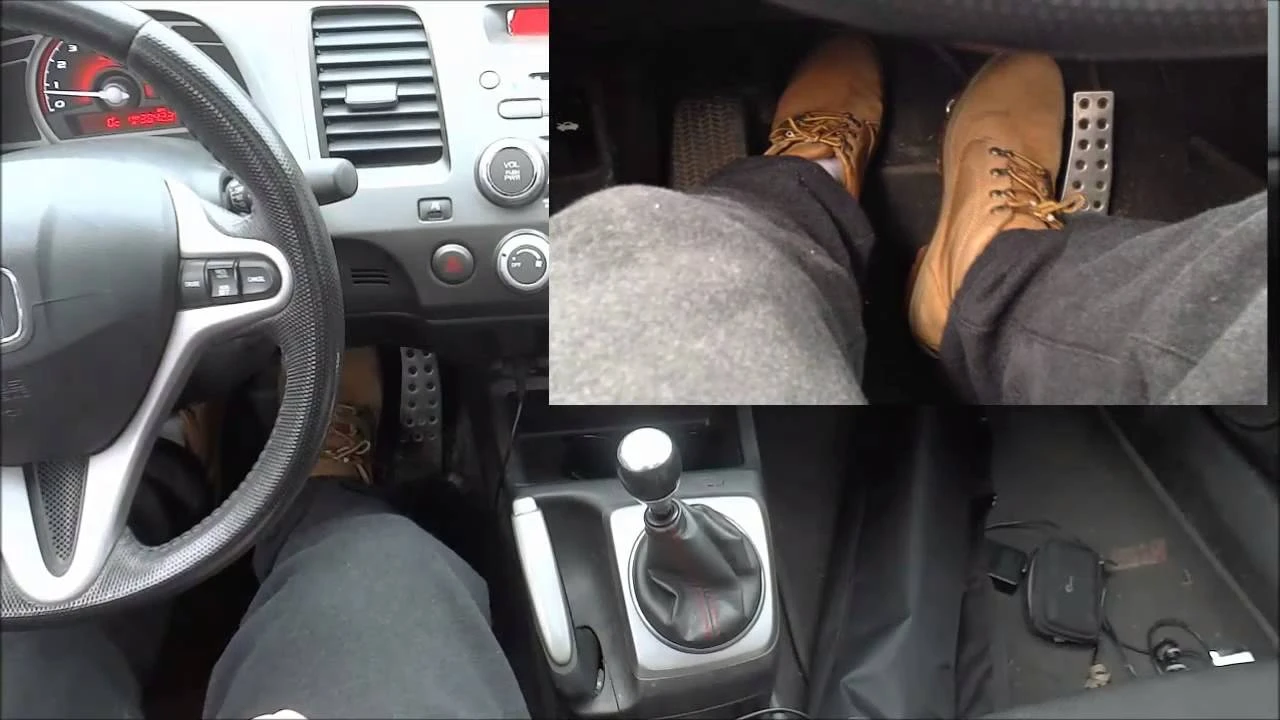
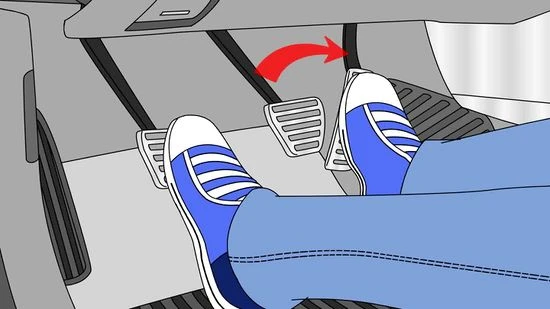
A manual car uses a manual transmission, meaning the driver must change gears using a gear stick and a clutch pedal. Most manual vehicles have three pedals:
- Clutch (left pedal)
- Brake (middle pedal)
- Accelerator (right pedal)
The clutch connects and disconnects the engine from the wheels, allowing you to change gears safely.

Understanding the Controls
Before you start driving, it’s important to get familiar with the main controls:
1. Clutch Pedal
The clutch is what makes manual driving unique. Pressing it disconnects the engine from the wheels, allowing you to shift gears.
2. Brake Pedal
Used to slow down or stop the car. You’ll use your right foot for braking.
3. Accelerator (Gas Pedal)
Controls speed by increasing engine power.
4. Gear Stick
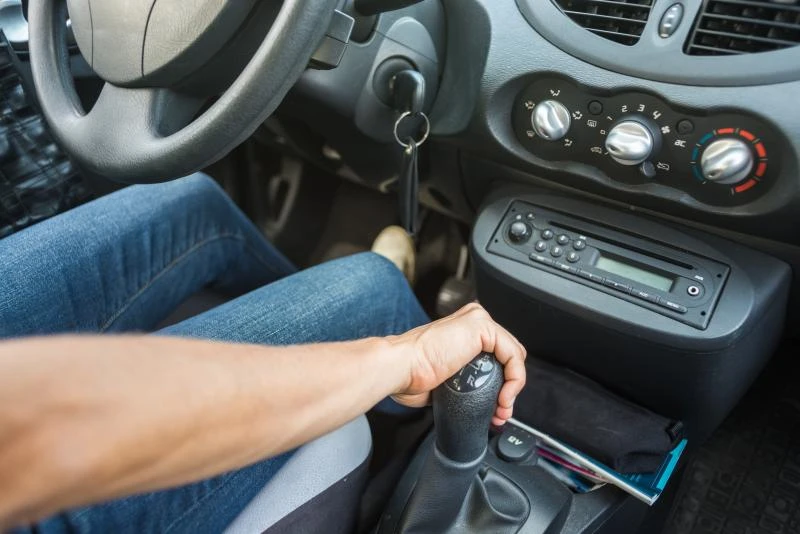
The gear stick follows an “H-pattern” and allows you to select gears like 1st, 2nd, 3rd, etc.
5. Handbrake (Parking Brake)
Keeps the car from rolling when parked or starting on a hill.
Step-by-Step: How to Drive a Manual Car
Let’s break it down into simple steps.
Step 1: Get Ready
- Adjust your seat and mirrors
- Fasten your seatbelt
- Make sure the car is in neutral (gear stick moves freely)
Step 2: Start the Engine
- Press the clutch pedal fully
- Turn the key or press the start button
- Keep the clutch pressed
Step 3: Shift Into First Gear
- Move the gear stick into 1st gear
- Keep your foot on the clutch
Step 4: Find the “Bite Point”
- Slowly release the clutch
- You’ll feel a slight vibration—this is the bite point, where the engine starts connecting to the wheels
Step 5: Add Gas and Move
- Gently press the accelerator
- Slowly release the clutch
- Release the handbrake
The car will begin to move forward smoothly.
Step 6: Accelerate and Shift Gears
As your speed increases:
- Press the clutch
- Shift to the next gear (e.g., 2nd gear)
- Slowly release the clutch while pressing the gas
Repeat this process for higher gears.
How to Stop a Manual Car
Stopping is just as important as starting:
- Release the accelerator
- Press the brake
- Press the clutch before the car stalls
- Shift into neutral
- Apply the handbrake
How Gears Work
Each gear serves a different purpose:
- 1st gear – Starting from a stop
- 2nd gear – Low speeds
- 3rd–4th gear – City driving
- 5th–6th gear – Highway speeds
Higher gears allow the car to go faster with lower engine strain.
Common Mistakes Beginners Make
1. Stalling the Engine
This happens when you release the clutch too quickly or don’t give enough gas.
2. Riding the Clutch
Keeping the clutch partially pressed for too long can damage it over time.
3. Shifting Too Fast
Rushing gear changes can lead to jerky driving and wear on the transmission.
4. Using the Wrong Gear
Driving too fast in a low gear or too slow in a high gear can strain the engine.
Tips for Learning Faster
Practice Clutch Control
Spend time learning the bite point—it’s the key to smooth driving.
Start on Flat Ground
Avoid hills until you’re comfortable with basic movements.
Be Gentle
Smooth, gradual movements are better than sudden ones.
Stay Calm
Everyone stalls at first—it’s part of learning.
Driving a Manual Car on a Hill
Hill starts are one of the trickiest parts for beginners.
Here’s how to do it:
- Engage the handbrake
- Press the clutch and shift into 1st gear
- Slowly release the clutch to the bite point
- Press the gas
- Release the handbrake
This prevents the car from rolling backward.
Why Learn to Drive Manual?
Even though automatic cars are becoming more popular, learning manual has benefits:
- Better control of the vehicle
- Lower maintenance costs
- Improved driving skills
- Ability to drive more types of vehicles
Final Thoughts
Learning how to drive a manual car may feel challenging at first, but with practice, it becomes second nature. The key is mastering the balance between the clutch and accelerator while staying calm and patient.
Start slow, practice regularly, and don’t be afraid of making mistakes. Before long, you’ll be shifting gears smoothly and enjoying the full control that comes with driving a manual transmission.
FAQ
Is driving a manual car hard?
At first, yes—but with practice, it becomes easy and intuitive.
How long does it take to learn?
Most beginners can learn the basics in a few hours and become comfortable within a few days.
What happens if I stall?
The engine shuts off. Simply restart the car and try again.
Do manual cars save fuel?
In many cases, yes—manual cars can be more fuel-efficient depending on driving habits.