
How to Look After Your Car and Keep It Running Like New
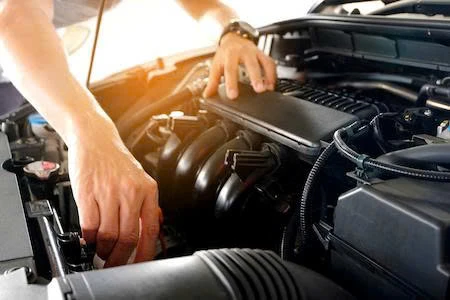
How to Look After Your Car and Keep It Running Like New
Owning a car is one of the biggest investments many Americans make. Whether you drive a compact sedan for your daily commute, an SUV for family road trips, or a pickup truck for work, taking care of your vehicle is essential. A well-maintained car lasts longer, performs better, and helps you avoid expensive repairs down the road.
Many drivers ignore small warning signs or delay routine maintenance because life gets busy. However, simple habits like checking tire pressure, changing the oil regularly, and washing your vehicle can make a huge difference in your car’s lifespan. Experts from automotive maintenance resources consistently highlight the importance of preventative care to reduce long-term repair costs.
In this guide, we’ll cover the most important ways to look after your car and keep it in top condition year-round.
Read Your Owner’s Manual
Most drivers toss the owner’s manual into the glove compartment and never look at it again. That’s a mistake.
Your owner’s manual contains important information about:
- Recommended oil type
- Tire pressure specifications
- Maintenance schedules
- Dashboard warning lights
- Fluid capacities
- Service intervals
Every vehicle is different. A maintenance routine that works for a Ford F-150 may not be suitable for a Honda Civic or Toyota Camry. Following the manufacturer’s recommendations ensures your car receives the proper care at the right time.
The manual also helps you understand how your vehicle’s systems work, which can prevent unnecessary trips to the mechanic.

Change the Oil Regularly
Oil is the lifeblood of your engine. It lubricates moving parts, reduces friction, and helps regulate engine temperature.
Skipping oil changes can lead to:
- Engine wear
- Reduced fuel efficiency
- Overheating
- Sludge buildup
- Expensive engine damage
Most modern vehicles need an oil change every 5,000 to 7,500 miles, although some synthetic oils can last longer. Always check your owner’s manual for the exact recommendation.
Signs your car may need an oil change include:
- Dark or dirty oil
- Engine noise
- Oil warning light
- Burning smell
- Poor fuel economy
Routine oil changes are among the simplest and most effective ways to protect your engine. Automotive experts regularly emphasize this as one of the top maintenance priorities for long vehicle life.
Keep Your Tires in Good Shape
Your tires affect safety, fuel economy, braking, and driving comfort. Neglecting tire maintenance can lead to poor handling and dangerous blowouts.
Check Tire Pressure
Underinflated tires wear out faster and reduce fuel efficiency. Overinflated tires can negatively impact traction and ride comfort.
Use a tire pressure gauge at least once a month and compare the reading to the manufacturer’s recommendation found inside the driver-side door frame.
Rotate Your Tires
Tires wear unevenly over time. Rotating them every 5,000 to 7,500 miles helps extend their lifespan and improves performance.
Inspect Tire Tread
Worn tread reduces grip, especially during rain or snow. Use the penny test to check tread depth. If Lincoln’s head is fully visible, it’s time for new tires.
Get Wheel Alignments
If your car pulls to one side or your steering wheel vibrates, you may need an alignment. Proper alignment helps tires wear evenly and improves fuel economy.
Monitor All Vehicle Fluids
Your car relies on several fluids to operate correctly. Ignoring fluid levels can result in severe mechanical problems.
Important fluids include:
- Engine oil
- Coolant
- Brake fluid
- Transmission fluid
- Power steering fluid
- Windshield washer fluid
Low coolant levels can cause overheating, while dirty brake fluid may reduce stopping power.
Experts recommend checking fluid levels regularly, especially before long road trips.
If you notice leaks underneath your car, don’t ignore them. Small leaks can quickly become major repairs.
Replace Air Filters
Your engine air filter prevents dirt and debris from entering the engine. A clogged filter reduces airflow, hurting fuel efficiency and performance.
Meanwhile, the cabin air filter improves interior air quality by filtering dust, pollen, and pollutants.
Replacing filters regularly helps your vehicle run more efficiently and keeps the cabin cleaner and healthier.
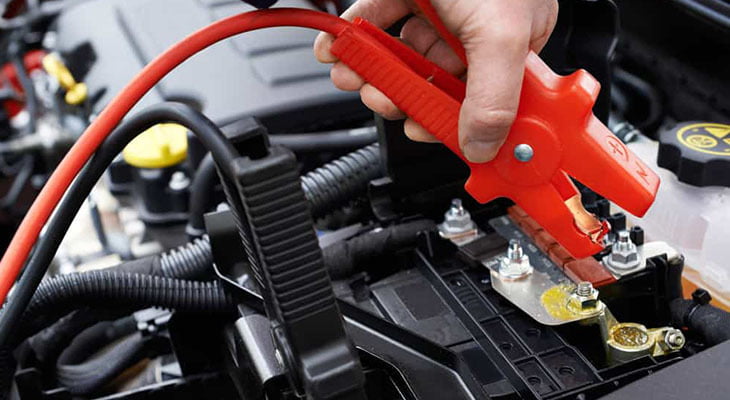
Keep the Battery Healthy
Nothing ruins a morning faster than a dead battery.
Most car batteries last between three and five years, depending on climate and driving habits.
To extend battery life:
- Clean corrosion from terminals
- Avoid leaving lights on
- Drive regularly
- Secure the battery properly
- Test battery voltage annually
Extreme temperatures can shorten battery lifespan. If your engine cranks slowly or electronics behave strangely, have the battery tested.
Battery maintenance is frequently overlooked, but automotive maintenance guides consistently list it as a key part of reliable vehicle ownership.
Wash and Wax Your Car
Cleaning your car is about more than appearance. Dirt, road salt, bird droppings, and tree sap can damage paint and lead to rust over time.
Wash Regularly
Wash your car every couple of weeks, especially during winter when roads are salted.
Don’t forget to clean:
- Wheel wells
- Undercarriage
- Door jambs
- Windows
Apply Wax
Wax adds a protective layer against UV rays, moisture, and contaminants.
Experts recommend waxing your vehicle several times per year to protect the paint and keep it looking new.
A clean car also maintains its resale value better.
Don’t Ignore Warning Lights
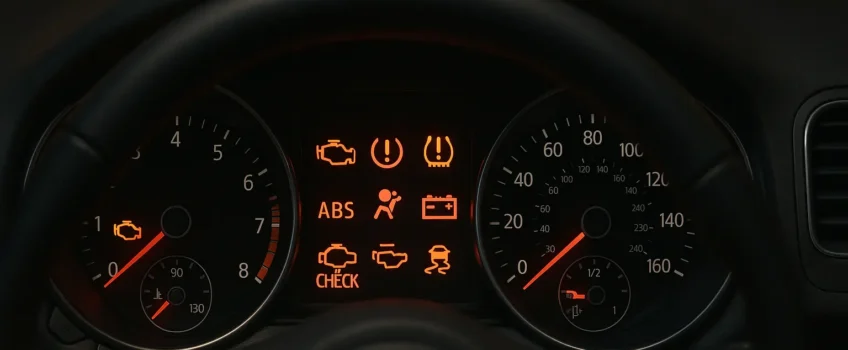
Modern vehicles have sophisticated onboard diagnostic systems that alert drivers when something is wrong.
Common warning lights include:
- Check engine light
- Oil pressure light
- Battery warning light
- Tire pressure warning
- Brake system alert
Ignoring warning lights can turn a minor issue into a major repair bill.
Even if your car seems to drive normally, schedule an inspection if a warning light appears.
Drive Responsibly
Your driving habits directly impact your car’s condition.
Aggressive driving behaviors such as:
- Rapid acceleration
- Hard braking
- Speeding
- Sharp cornering
can increase wear on:
- Tires
- Brakes
- Suspension
- Transmission
- Engine components
Smooth driving improves fuel efficiency and reduces stress on mechanical systems.
Let your engine warm up briefly during cold weather, and avoid pushing the car too hard immediately after starting it.
Drivers on automotive forums and maintenance discussions frequently point out that calm, consistent driving can significantly extend a vehicle’s lifespan.
Pay Attention to the Brakes
Your brakes are one of the most important safety systems in your vehicle.
Signs of brake problems include:
- Squealing noises
- Grinding sounds
- Vibrations
- Longer stopping distances
- Soft brake pedal
Brake pads wear out over time and need replacement periodically.
Waiting too long can damage the rotors and increase repair costs. If you notice unusual brake behavior, have the system inspected immediately.
Prepare Your Car for Seasonal Changes
Different seasons bring different maintenance challenges.
Winter Tips
- Check antifreeze levels
- Inspect tires for winter traction
- Replace worn wiper blades
- Keep an emergency kit in the car
Summer Tips
- Monitor coolant levels
- Test air conditioning
- Protect paint from UV rays
- Watch for overheating
Seasonal maintenance helps your vehicle perform safely in changing weather conditions.
Schedule Routine Inspections
Even if your car seems fine, professional inspections can identify hidden issues early.
Routine inspections may include:
- Suspension checks
- Brake inspections
- Fluid analysis
- Belt and hose evaluations
- Battery testing
Preventative maintenance saves money because small problems are easier and cheaper to fix than major breakdowns.
Many automotive experts recommend following a maintenance schedule instead of waiting for something to fail.
Listen to Your Car
Cars often give warning signs before something breaks completely.
Pay attention to:
- Strange noises
- Vibrations
- Burning smells
- Fluid leaks
- Reduced performance
Catching issues early can prevent serious damage and expensive repairs.
If something feels unusual, trust your instincts and get the vehicle checked.
Final Thoughts
Taking care of your car doesn’t have to be difficult or expensive. Small maintenance habits performed consistently can dramatically improve your vehicle’s reliability, safety, and lifespan.
Simple actions like changing the oil on time, checking tire pressure, monitoring fluids, and washing your car regularly can help you avoid major repair bills and keep your vehicle looking and performing its best.
A well-maintained car not only saves money but also provides peace of mind every time you get behind the wheel. By following these essential car care tips, you can keep your vehicle running smoothly for many years to come.