
How to Tune a BMW Engine for More Power, Better Performance, and a Smarter Driving Experience
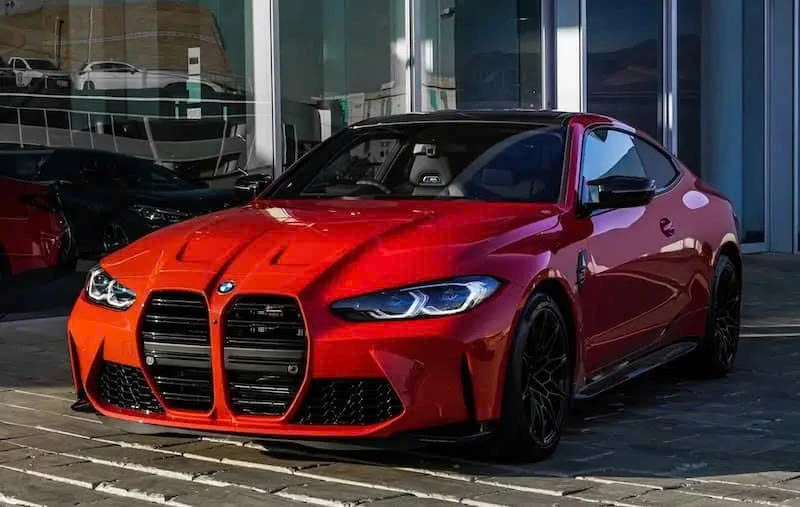
How to Tune a BMW Engine for More Power, Better Performance, and a Smarter Driving Experience
For many car enthusiasts, owning a BMW is already exciting.
But for others, buying the car is only the beginning.
BMW has built its reputation around performance, precision engineering, and driver-focused experiences. Whether it’s a turbocharged 3 Series, an aggressive M model, or a modern inline-six powerhouse, BMW vehicles are known for delivering smooth power and sharp handling straight from the factory.
Still, for enthusiasts across the United States, “stock” is rarely enough.
That’s where tuning enters the picture.
BMW engine tuning has become one of the biggest communities in modern car culture because these vehicles respond incredibly well to modifications. With the right upgrades, drivers can unlock more horsepower, sharper throttle response, improved acceleration, and an entirely different driving personality.
But tuning a BMW isn’t just about making the car louder or faster.
Done correctly, tuning transforms how the entire vehicle feels on the road.
Done incorrectly, it can become expensive very quickly.
That’s why understanding the fundamentals of BMW tuning matters before installing the first modification.
Why BMW Engines Are So Popular for Tuning
BMW engines have always attracted performance enthusiasts because they balance power, engineering quality, and tuning potential exceptionally well.
Modern BMW turbocharged engines especially respond dramatically to upgrades. Many factory setups are intentionally conservative to meet:
- Emissions regulations
- Fuel economy standards
- Reliability targets
- Global market requirements
This leaves extra performance hidden inside the engine platform.
That’s why relatively simple modifications can produce surprisingly large horsepower gains compared to naturally aspirated vehicles.
Popular BMW tuning platforms include:
- B58 inline-six engines
- N54 twin-turbo engines
- N55 turbocharged setups
- S58 performance engines
- Older naturally aspirated M engines
Some BMW platforms can gain significant power from software tuning alone.
That tuning flexibility helped BMW become one of the biggest names in global performance culture.

The First Step: ECU Tuning
For most BMW owners, ECU tuning is the first major upgrade.
The ECU, or Engine Control Unit, acts as the car’s brain. It controls:
- Fuel delivery
- Turbo boost pressure
- Ignition timing
- Air-to-fuel ratios
- Throttle response
Factory settings are designed to balance comfort, emissions, and reliability across many driving conditions.
Performance tuning adjusts those settings for more aggressive output.
This process is often called:
- ECU remapping
- Flash tuning
- Software tuning
Popular BMW tuning platforms include:
- Bootmod3
- MHD Tuning
- JB4
- Dinan
- MG Flasher
A proper tune can dramatically improve:
- Horsepower
- Torque
- Turbo response
- Acceleration
- Driving feel
For turbocharged BMW engines, gains from tuning alone can feel transformative.
Some owners describe the car as feeling completely different after the first tune.
Why Turbocharged BMW Engines Respond So Well
Turbocharged engines thrive on tuning because software can safely increase boost pressure within reasonable limits.
BMW’s modern turbo platforms are particularly popular because many engines share strong internal components capable of handling additional power.
That means tuning often unlocks performance BMW intentionally left on the table.
For example:
- Faster spool times
- Increased mid-range torque
- Sharper throttle response
- Stronger highway acceleration
can all come from software optimization alone.
That’s why many enthusiasts consider BMW one of the best brands for tuning potential.

Exhaust Upgrades Change More Than Sound
One of the most popular BMW modifications is an aftermarket exhaust system.
Many owners initially upgrade exhausts for sound, but performance improvements also matter.
A performance exhaust can help:
- Improve airflow
- Reduce backpressure
- Enhance turbo efficiency
- Increase throttle responsiveness
More importantly for many enthusiasts, it transforms the emotional experience of driving.
BMW inline-six engines especially produce distinctive exhaust tones that performance fans love.
Popular upgrades include:
- Cat-back exhaust systems
- Downpipes
- Performance mufflers
- Mid-pipe modifications
However, exhaust tuning requires balance.
An overly aggressive setup can create:
- Excessive drone
- Uncomfortable cabin noise
- Emissions issues
- Reliability concerns
The best setups improve sound while maintaining daily drivability.

Intake Systems and Airflow Improvements
Another common BMW upgrade involves improving airflow.
Performance intake systems allow engines to breathe more efficiently, especially when paired with ECU tuning.
Cold air intakes may help:
- Improve turbo sound
- Increase airflow efficiency
- Enhance throttle response
- Support higher horsepower levels
Many enthusiasts love intake upgrades because they amplify turbo noises, including:
- Spool sounds
- Blow-off noises
- Induction sounds
These modifications often make the car feel more aggressive even during normal driving.
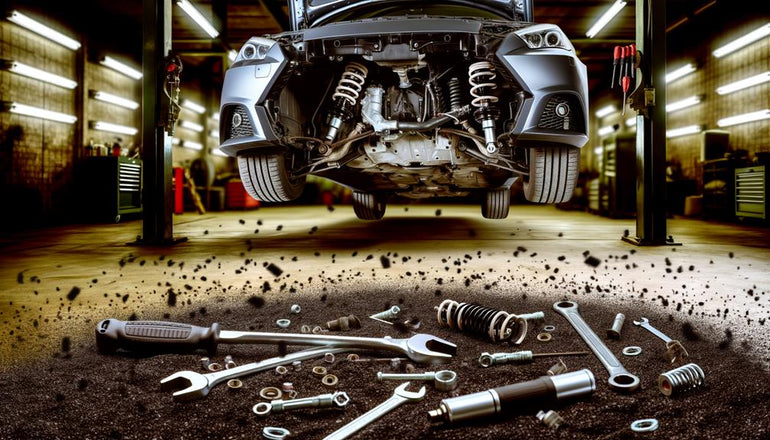
Suspension Tuning Matters Just as Much
One mistake many beginners make is focusing only on horsepower.
Real performance comes from balance.
BMW vehicles are already known for strong handling dynamics, but suspension upgrades can dramatically improve:
- Cornering stability
- Steering feel
- Body control
- Driving confidence
Popular suspension upgrades include:
- Coilovers
- Lowering springs
- Adjustable dampers
- Performance sway bars
A properly tuned suspension setup can completely transform how connected the car feels to the road.
In many cases, better handling improves driving enjoyment more than raw horsepower increases do.
Wheels and Tires Make a Huge Difference
Performance tires are one of the most underrated BMW upgrades.
Extra horsepower means very little if the car cannot transfer power effectively to the pavement.
High-quality tires improve:
- Grip
- Braking
- Acceleration
- Cornering performance
- Wet weather control
Many enthusiasts notice larger real-world performance improvements from tire upgrades than engine modifications.
Lightweight wheels can also improve:
- Steering responsiveness
- Suspension performance
- Overall agility
The combination of proper wheels and tires dramatically changes vehicle dynamics.
Cooling Upgrades Become Important at Higher Power Levels
As BMW owners increase horsepower, heat management becomes critical.
Turbocharged engines generate significant heat under aggressive driving conditions. Without proper cooling, performance can drop quickly.
Important cooling upgrades may include:
- Larger intercoolers
- Oil coolers
- Upgraded radiators
- Charge pipes
Cooling modifications help maintain:
- Consistent power delivery
- Engine reliability
- Safer operating temperatures
This becomes especially important for:
- Track driving
- Aggressive street driving
- High-horsepower builds
Reliable power is far more valuable than temporary power.
The Difference Between Daily Builds and Track Builds
Not every tuned BMW serves the same purpose.
Some drivers want:
- Comfortable daily driving
- Mild performance gains
- Better sound
- Smooth reliability
Others want:
- Aggressive track performance
- Maximum horsepower
- Extreme handling setups
- Race-focused tuning
Understanding the car’s purpose matters before modifying anything.
A daily-driven BMW requires balance. Too much stiffness, noise, or aggressive tuning can make the car unpleasant to drive regularly.
The best builds match the owner’s actual lifestyle.
Common BMW Tuning Mistakes
BMW tuning can become expensive when owners rush modifications without planning properly.
Common mistakes include:
- Cheap aftermarket parts
- Poor-quality tunes
- Ignoring maintenance
- Adding power before improving cooling
- Using incorrect fuel
- Over-tuning stock components
Maintenance always comes first.
Before increasing horsepower, owners should ensure:
- Spark plugs are healthy
- Ignition coils work properly
- Oil changes are current
- Cooling systems are functioning correctly
A poorly maintained performance car becomes unreliable quickly.
Why BMW Enthusiast Culture Is So Strong
Part of BMW tuning’s popularity comes from the enthusiast community itself.
BMW culture blends:
- Performance driving
- Engineering appreciation
- Motorsport history
- Personal customization
Online communities constantly share:
- Dyno results
- Tuning guides
- Build ideas
- Performance comparisons
- DIY tutorials
That shared passion keeps the tuning culture growing.
For many owners, modifying a BMW becomes more than transportation — it becomes a creative hobby.
The Future of BMW Tuning
As BMW vehicles become more software-driven, tuning itself is evolving rapidly.
Modern performance upgrades increasingly involve:
- Software optimization
- Digital tuning platforms
- Data logging
- AI-assisted diagnostics
- Cloud-based updates
Electric BMW performance models may eventually reshape tuning culture completely.
Still, enthusiasts will always search for ways to personalize performance and improve driving feel.
That passion isn’t disappearing anytime soon.
Final Thoughts
BMW tuning is about far more than chasing horsepower numbers.
The best modifications improve:
- Driving emotion
- Vehicle balance
- Responsiveness
- Driver connection
Whether it’s a simple ECU tune, a full turbo setup, or a carefully balanced suspension build, tuning allows owners to transform already capable vehicles into something uniquely personal.
That’s why BMW remains one of the most respected names in performance car culture.
Because underneath every tuned BMW is the same idea that has always driven enthusiasts:
The perfect driving experience can always become even better.