
The Ultimate Car Maintenance Guide for 2026: Keep Your Vehicle Running Like New

The Ultimate Car Maintenance Guide for 2026: Keep Your Vehicle Running Like New
Owning a car in the United States is more than just a convenience—it’s a necessity for daily life. Whether you’re commuting to work, heading out on a road trip, or running errands, your vehicle plays a crucial role in your routine. But like any machine, your car requires regular upkeep to stay safe, reliable, and efficient.
Car maintenance isn’t just about avoiding breakdowns—it’s about protecting your investment, improving fuel efficiency, and ensuring your safety on the road. In this comprehensive guide, we’ll break down everything you need to know about car maintenance in 2026, including essential tips, maintenance schedules, and expert advice tailored for U.S. drivers.
Why Car Maintenance Matters
Routine car maintenance is critical for extending the life of your vehicle and preventing costly repairs. Skipping basic services like oil changes or tire checks can lead to serious mechanical issues and expensive breakdowns.
Regular maintenance helps:
- Improve fuel efficiency
- Enhance vehicle safety
- Extend engine lifespan
- Maintain resale value
- Prevent unexpected breakdowns
In fact, even simple tasks like checking fluids or rotating tires can significantly reduce long-term repair costs and improve performance.
Basic Car Maintenance Checklist
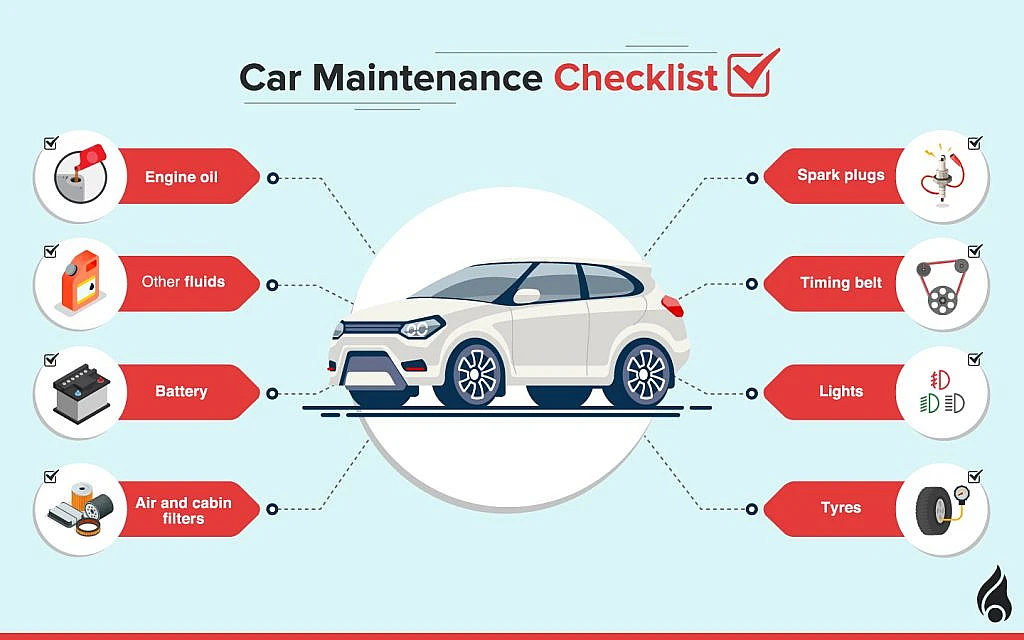
A well-rounded car maintenance routine includes inspecting key components regularly. Here’s a simple checklist every driver should follow:
1. Engine Oil
Oil is the lifeblood of your engine. It lubricates moving parts and prevents overheating.
- Check oil level monthly
- Change oil every 5,000–7,500 miles (or as recommended)
- Replace oil filter with every oil change
Neglecting oil changes can lead to engine damage costing thousands of dollars.
2. Tires
Tires directly affect safety, fuel efficiency, and handling.
- Check tire pressure monthly
- Rotate tires every 5,000–7,000 miles
- Inspect tread depth regularly
Underinflated tires can reduce fuel economy and increase accident risk.
3. Fluids
Your car relies on multiple fluids to operate smoothly.
Key fluids to check:
- Engine oil
- Coolant
- Brake fluid
- Transmission fluid
- Windshield washer fluid
Maintaining proper fluid levels helps prevent overheating, brake failure, and transmission issues.
4. Brakes
Your braking system is critical for safety.
- Inspect brake pads every 10,000 miles
- Listen for squealing or grinding noises
- Check brake fluid levels
Ignoring brake issues can lead to dangerous driving conditions.
5. Air Filters
Air filters ensure clean airflow into your engine and cabin.
- Replace engine air filter every 15,000–30,000 miles
- Replace cabin air filter every 12,000–15,000 miles
Clean filters improve fuel efficiency and air quality inside your car.
Car Maintenance Schedule
Following a schedule is key to staying on top of maintenance. Here’s a general timeline for U.S. drivers:
Monthly
- Check oil and coolant levels
- Inspect tire pressure
- Top off windshield fluid
Every 3,000–7,500 Miles
- Change engine oil
- Replace oil filter
Every 5,000–7,000 Miles
- Rotate tires
- Inspect brakes
Every 15,000–30,000 Miles
- Replace air filters
- Inspect battery
30,000 / 60,000 / 90,000 Miles
- Comprehensive system checks
- Inspect belts, hoses, and spark plugs
Seasonal Car Maintenance Tips
Different seasons in the U.S. require different maintenance approaches.
Winter
- Check battery performance
- Use winter-grade windshield fluid
- Inspect tires for snow readiness
Summer
- Monitor coolant levels
- Check air conditioning system
- Inspect tire pressure (heat affects PSI)
Fall & Spring
- Replace wiper blades
- Check brakes and suspension
- Prepare for seasonal weather changes
Common Car Maintenance Mistakes to Avoid
Even experienced drivers make maintenance mistakes. Avoid these common errors:
1. Skipping Oil Changes
Delaying oil changes can cause engine wear and failure.
2. Ignoring Warning Lights
The check engine light signals potential issues—don’t ignore it.
3. Overlooking Tire Care
Poor tire maintenance reduces safety and fuel efficiency.
4. Using the Wrong Fuel
Using a higher octane fuel than recommended won’t improve performance and may reduce efficiency.
DIY vs Professional Maintenance
Some maintenance tasks are easy to do at home, while others require professional expertise.
DIY Tasks
- Checking fluids
- Replacing wiper blades
- Changing air filters
Professional Services
- Brake repairs
- Transmission service
- Engine diagnostics
Balancing DIY and professional maintenance can help you save money while ensuring safety.
How Much Does Car Maintenance Cost in the USA?
On average, car maintenance costs about $100 per month or $1,200 per year, depending on your vehicle and driving habits.
Factors affecting cost include:
- Vehicle age
- Mileage
- Driving conditions
- Type of vehicle
Investing in regular maintenance is far cheaper than major repairs.
Pro Tips to Extend Your Car’s Lifespan
Want your car to last longer? Follow these expert tips:
- Follow your manufacturer’s maintenance schedule
- Drive smoothly and avoid aggressive acceleration
- Keep your car clean (inside and out)
- Address small issues before they become big problems
- Use quality parts and fluids
Preventative maintenance is the key to avoiding expensive repairs and keeping your car running like new.
The Future of Car Maintenance (2026 & Beyond)
Modern vehicles are becoming smarter, with built-in sensors and maintenance alerts.
Trends shaping car maintenance include:
- Predictive maintenance systems
- Mobile mechanic services
- Electric vehicle (EV) maintenance
- App-based service tracking
These innovations make it easier than ever to stay on top of your car’s health.
Conclusion
Car maintenance is not optional—it’s essential. By following a consistent maintenance routine, you can improve your vehicle’s performance, enhance safety, and save money in the long run.
From regular oil changes and tire checks to seasonal inspections and professional servicing, every step you take contributes to a longer-lasting, more reliable vehicle.
In 2026, smart drivers know that maintaining a car isn’t just about fixing problems—it’s about preventing them before they happen.
Stay proactive, follow your schedule, and your car will reward you with years of smooth, trouble-free driving.