
The Upsides of Upgrading Your Car: Why It Might Be Time for a Change
The Upsides of Upgrading Your Car: Why It Might Be Time for a Change
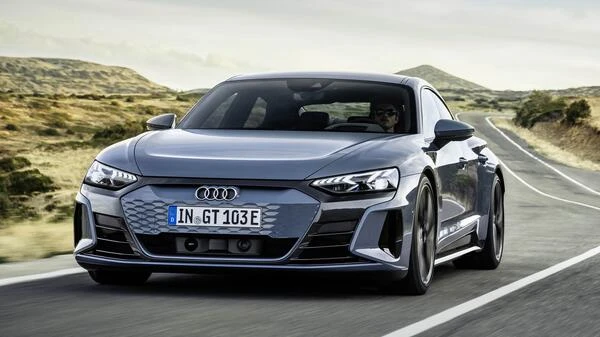
For many Americans, a car isn’t just a way to get around—it’s a daily companion. Whether you’re commuting to work, running errands, or heading out on a road trip, your vehicle plays a major role in your lifestyle. But as cars age, they start to lose efficiency, reliability, and even safety.
That’s why upgrading your car isn’t just about getting something new—it’s about improving your overall driving experience. If you’ve been wondering whether it’s worth making the switch, this guide breaks down the real advantages of upgrading your vehicle and how it can benefit you in the long run.
Why Consider Upgrading Your Car?
Cars today are evolving faster than ever. What felt modern five years ago may now feel outdated. From advanced safety systems to fuel-saving technologies, newer vehicles offer significant improvements over older models.
Upgrading your car can provide a better balance of comfort, safety, and efficiency—especially if your current vehicle is starting to show its age.
1. Enhanced Safety Features
One of the biggest reasons drivers upgrade their cars is safety—and for good reason.
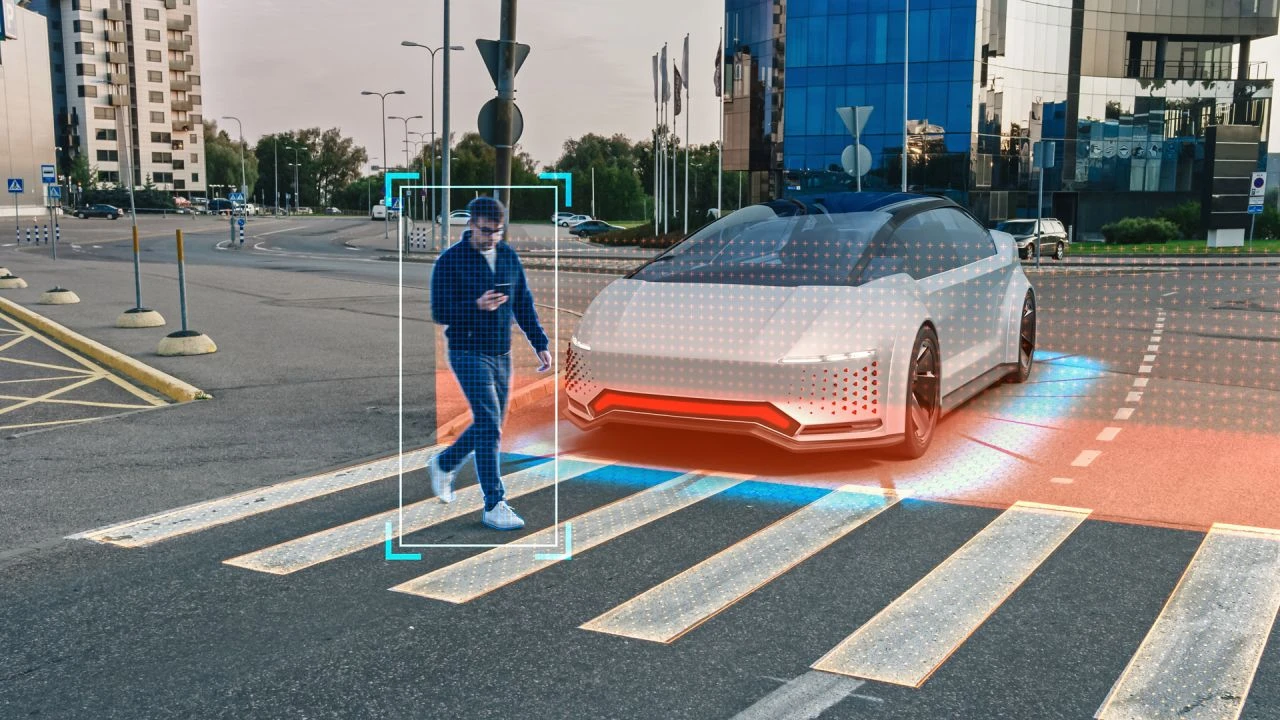
Modern vehicles come equipped with advanced safety technologies such as:
- Automatic emergency braking
- Lane departure warning
- Blind-spot monitoring
- Adaptive cruise control
These features help prevent accidents and reduce driver stress. According to industry insights, newer cars significantly improve driver and passenger safety through advanced systems and better engineering.
Older vehicles simply can’t compete with the level of protection offered by today’s technology.
2. Improved Fuel Efficiency
Gas prices in the U.S. can fluctuate, but one thing remains constant—fuel efficiency matters.
Newer cars are designed to go farther on less fuel thanks to:
- Lightweight materials
- Advanced engine designs
- Hybrid and electric options
Upgrading to a more fuel-efficient vehicle can reduce your monthly expenses and environmental impact. In fact, modern cars often deliver noticeably better mileage compared to older models.
If you drive frequently, the savings can add up quickly.
3. Better Performance and Driving Experience
There’s nothing like the feeling of driving a newer, more responsive vehicle.
Upgrading your car can improve:
- Acceleration and power
- Handling and stability
- Overall driving comfort
Performance upgrades—whether through a newer model or aftermarket improvements—can make your car more enjoyable and efficient on the road.
Additionally, improvements in suspension and tires can enhance control and ride quality, especially on long drives or rough roads.

4. Lower Maintenance Costs
Older cars tend to require more frequent repairs. Over time, those repair bills can become a financial burden.
Upgrading to a newer vehicle often means:
- Fewer breakdowns
- Lower repair costs
- Manufacturer warranties
New cars are typically more reliable and require less maintenance, especially in the first few years of ownership.
Instead of constantly fixing problems, you can enjoy peace of mind on the road.
5. Access to Modern Technology
Technology in cars has advanced dramatically in recent years.
Upgrading your vehicle gives you access to features like:
- Apple CarPlay and Android Auto
- Touchscreen infotainment systems
- Navigation and voice controls
- Wireless charging
These features aren’t just convenient—they make driving safer and more enjoyable. Newer cars are designed to integrate seamlessly with your digital lifestyle.

6. Increased Comfort and Convenience
Comfort matters, especially if you spend a lot of time behind the wheel.
Newer vehicles often include:
- Improved seating and ergonomics
- Better climate control systems
- Quieter cabins
- Smoother ride quality
Upgrading your car can transform your daily commute into a more relaxing experience. Many drivers report significantly less fatigue on long trips thanks to these improvements.
7. Higher Resale Value and Investment Benefits
While cars generally depreciate, upgrading at the right time can still be financially smart.
Newer vehicles:
- Retain value better (especially with modern features)
- Are easier to sell
- Appeal more to buyers
If you plan to resell your car in the future, having updated technology and safety features can increase its market value.
8. Environmental Benefits
If you’re concerned about the environment, upgrading your car can make a difference.
Newer vehicles produce:
- Lower emissions
- Better fuel economy
- Reduced carbon footprint
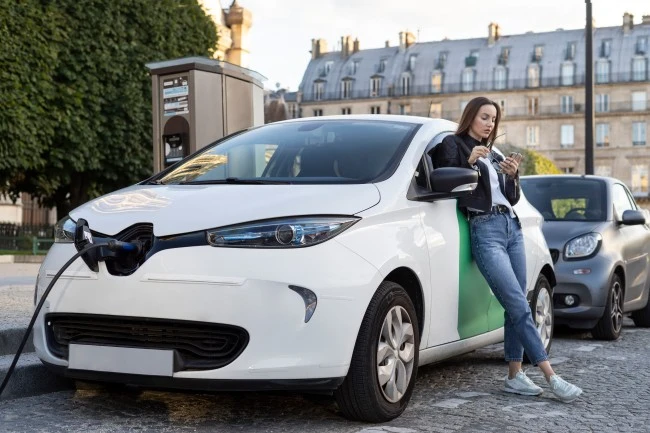
Hybrid and electric vehicles take this even further by significantly reducing or eliminating fuel consumption.
Upgrading isn’t just good for you—it’s better for the planet too.
9. Customization and Personalization
Another upside of upgrading your car is the ability to tailor it to your preferences.
Whether it’s:
- Performance upgrades
- Aesthetic modifications
- Interior enhancements
Upgrading allows you to create a vehicle that matches your lifestyle and personality. From sporty looks to luxury finishes, the options are endless.
10. Greater Reliability and Peace of Mind
There’s a certain confidence that comes with driving a newer vehicle.
You don’t have to worry as much about:
- Unexpected breakdowns
- Expensive repairs
- Getting stranded
Newer cars are built with improved engineering and durability, giving you a more dependable driving experience.
When Should You Upgrade Your Car?
Upgrading isn’t always necessary—but there are clear signs it might be time:
- Frequent repair costs are adding up
- Your car lacks modern safety features
- Fuel efficiency is poor
- Your lifestyle has changed (family, commute, etc.)
If your current vehicle is costing more than it’s worth, upgrading can be a smart move.
Things to Consider Before Upgrading
While there are many benefits, upgrading your car is still a major decision.
Before making the switch, consider:
- Your budget and financing options
- Insurance costs
- Depreciation
- Your actual driving needs
In some cases, keeping your current car may still be the better choice—especially if it’s reliable and affordable.
FAQ
Is upgrading your car worth it?
Yes, especially if your current car is outdated, unsafe, or expensive to maintain. The benefits often outweigh the costs over time.
How often should you upgrade your car?
Many drivers upgrade every 3–5 years, but it depends on your financial situation and vehicle condition.
Should I upgrade or repair my car?
If repair costs are high and frequent, upgrading is usually the smarter long-term decision.
Do newer cars really save money?
Yes, through better fuel efficiency, lower maintenance costs, and fewer repairs.
Conclusion
Upgrading your car isn’t just about getting something new—it’s about improving safety, performance, comfort, and overall quality of life. From advanced technology to better fuel efficiency, the advantages are clear.
If your current vehicle is starting to feel outdated or unreliable, upgrading could be one of the best decisions you make—not just for your car, but for your everyday driving experience.