
When to Replace Your Car Battery: Signs, Costs, and Smart Maintenance Tips
When to Replace Your Car Battery: Signs, Costs, and Smart Maintenance Tips
Introduction
Your car battery is one of the most essential components of your vehicle, yet it’s often overlooked—until something goes wrong. Whether you’re dealing with a slow engine start or flickering dashboard lights, knowing when to replace your car battery can save you from unexpected breakdowns and costly repairs.
In this guide, we’ll walk you through the lifespan of a car battery, warning signs to watch for, replacement costs, and practical tips to keep your vehicle running smoothly.
What Does a Car Battery Actually Do?
A car battery is responsible for supplying electrical power to start the engine and operate key systems such as lights, radio, air conditioning, and onboard electronics. Without it, your car simply won’t start.
It works by storing chemical energy and converting it into electrical energy when needed. Once the engine is running, the alternator recharges the battery, ensuring a continuous power supply.
In modern vehicles, batteries play an even bigger role, supporting advanced features like start-stop systems, infotainment units, and driver-assist technologies.
How Long Does a Car Battery Last?
On average, a car battery lasts between 2 to 4 years, depending on usage and environmental conditions.
However, several factors can affect its lifespan:
1. Driving Habits
Short trips prevent the battery from fully charging, leading to faster wear.
2. Climate Conditions
Hot climates accelerate battery fluid evaporation, while cold weather reduces performance.
3. Vehicle Usage
Cars that sit idle for long periods may experience battery drain due to self-discharge.
4. Electrical Load
Using multiple electronic devices (lights, AC, charging ports) increases strain on the battery.
In some cases, batteries may last up to 5 years, but many need replacement earlier depending on these factors.
Top Warning Signs You Need a New Car Battery
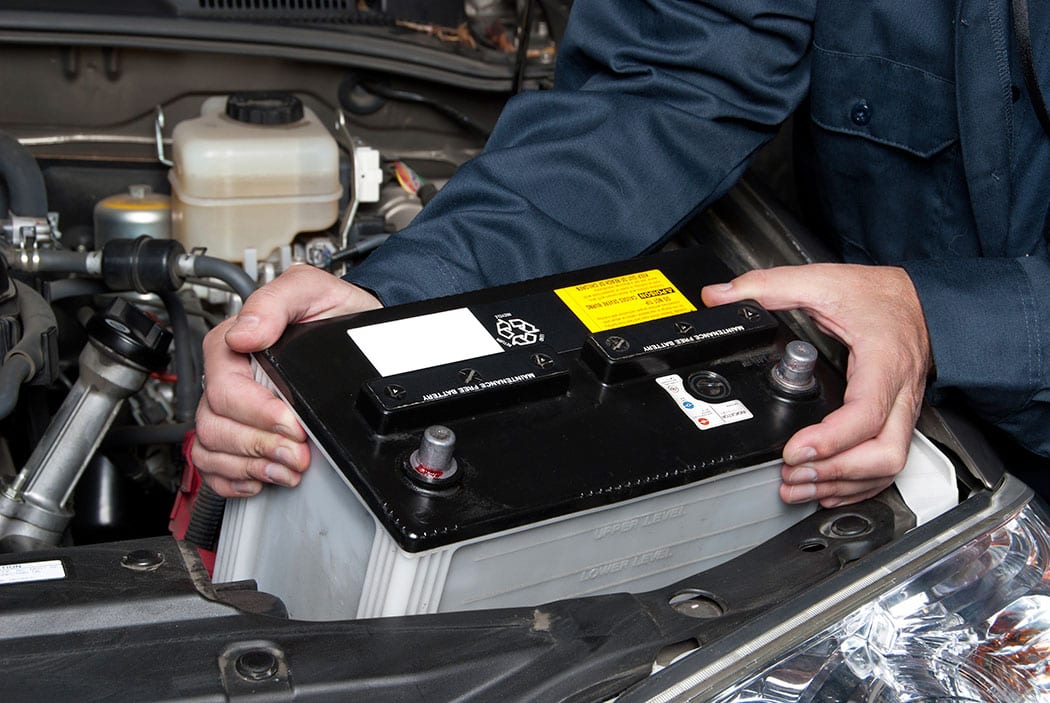
Recognizing early warning signs can prevent inconvenient and potentially dangerous situations. Here are the most common indicators:
1. Slow Engine Crank
If your engine takes longer than usual to start, your battery may be losing power.
2. Dashboard Warning Light
Most vehicles have a battery warning light that signals charging system issues.
3. Dim Lights and Electrical Issues
Weak headlights, slow power windows, or glitchy infotainment systems can point to battery problems.
4. Clicking Sound When Starting
A repeated clicking noise often means the battery doesn’t have enough power to turn the engine over.
5. Corrosion on Battery Terminals
White or bluish buildup on battery terminals can interfere with electrical connections.
6. Swollen Battery Case
Extreme temperatures can cause the battery case to expand—this is a clear sign it needs replacement.
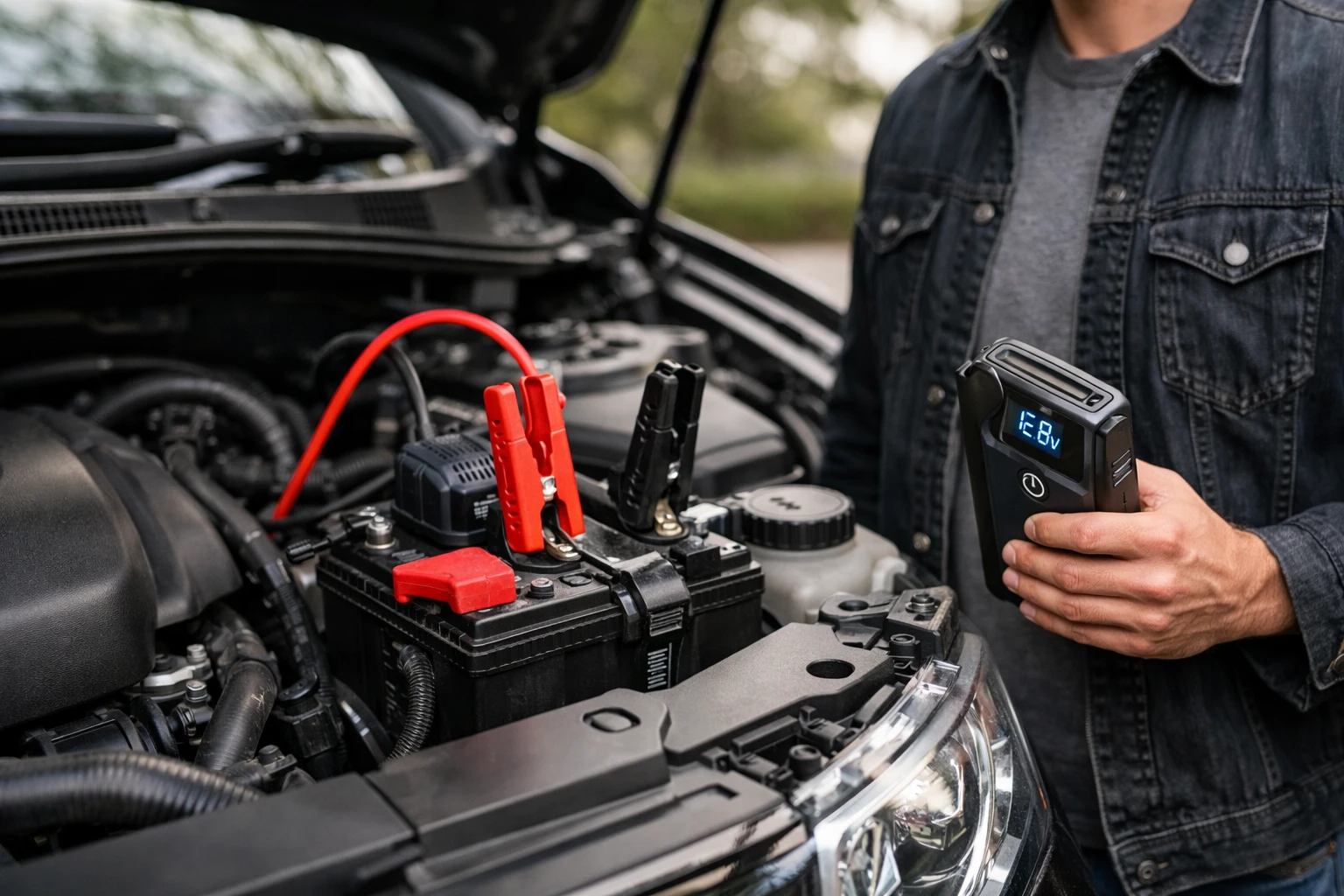
7. Frequent Jump Starts
If you regularly need a jump start, your battery is likely near the end of its life.
Ignoring these warning signs can leave you stranded unexpectedly.
When Should You Replace Your Car Battery?
Even if your battery hasn’t completely failed, experts recommend replacing it proactively every 3 years to avoid sudden issues.
You should consider immediate replacement if:
- Your battery is older than 3–4 years
- You experience multiple warning signs
- Your car struggles to start consistently
- Electrical systems behave unpredictably
Proactive replacement ensures reliability, especially before long trips or extreme weather conditions.
How Much Does It Cost to Replace a Car Battery?
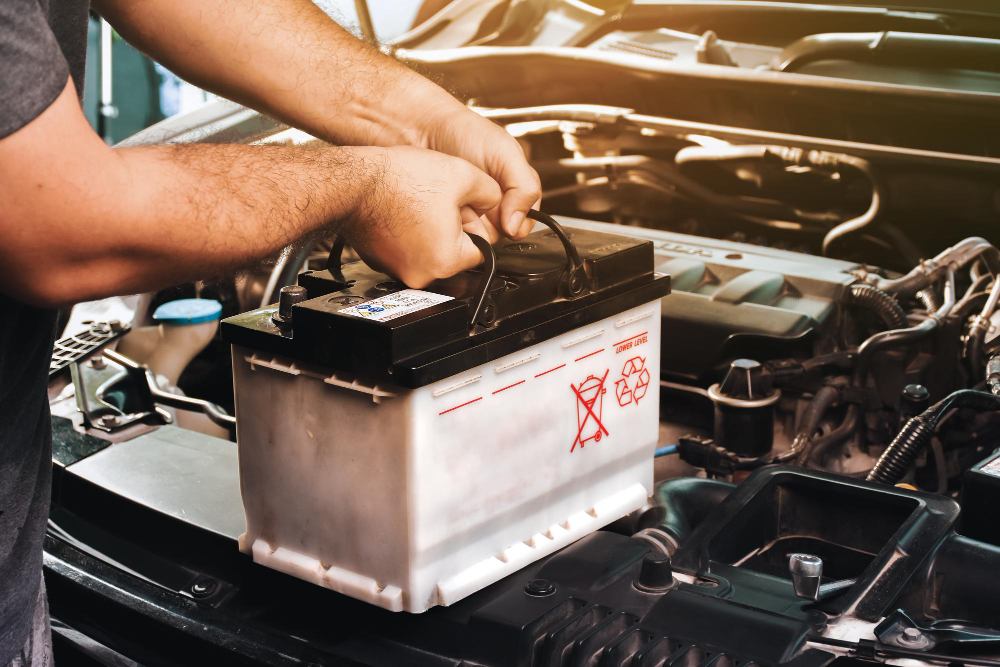
The cost of replacing a car battery varies depending on the type of battery and vehicle model.
Average Cost Breakdown (USA):
- Standard battery: $100 – $200
- Premium AGM battery: $200 – $350
- Installation: $20 – $50 (often free at service centers)
Luxury or high-performance vehicles may require specialized batteries, increasing the cost.
Types of Car Batteries
Understanding battery types helps you choose the right replacement:
1. Lead-Acid Batteries
- Most common and affordable
- Suitable for older vehicles
2. AGM (Absorbent Glass Mat) Batteries
- Higher performance and durability
- Ideal for modern vehicles with advanced electronics
3. Lithium-Ion Batteries
- Lightweight and efficient
- Used in electric and hybrid vehicles
Choosing the correct battery type is essential for optimal performance and safety.

How to Extend the Life of Your Car Battery
Proper maintenance can significantly extend your battery’s lifespan.
1. Drive Regularly
Frequent driving keeps the battery charged.
2. Turn Off Electronics
Always switch off lights, radio, and AC before turning off the engine.
3. Keep Terminals Clean
Clean corrosion from terminals to maintain strong connections.
4. Avoid Extreme Temperatures
Park in shaded or covered areas when possible.
5. Test Your Battery Regularly
Routine checks can identify issues before they become serious.
Can You Replace a Car Battery Yourself?
Yes, replacing a car battery is relatively simple if you follow proper safety steps:
Basic Steps:
- Turn off the engine
- Disconnect the negative terminal first
- Remove the old battery
- Install the new battery
- Reconnect terminals (positive first)
However, if your car has complex electronics or start-stop systems, professional installation is recommended.
What Happens If You Don’t Replace a Failing Battery?
Delaying battery replacement can lead to several problems:
- Unexpected breakdowns
- Damage to the alternator
- Malfunctioning electronics
- Increased repair costs
In worst-case scenarios, your car may fail to start entirely, leaving you stranded.

Tips for Choosing the Right Battery
When buying a new battery, consider:
- Size and compatibility with your vehicle
- Cold Cranking Amps (CCA) for reliable starts in cold weather
- Reserve Capacity (RC) for backup power
- Brand reputation and warranty
Always check your vehicle manual or consult a professional before purchasing.
FAQ
1. How do I know if my car battery is dead or just needs charging?
If the battery works after a jump start but fails again soon after, it likely needs replacement.
2. Can a car battery last 5 years?
Yes, but it depends on usage and conditions. Most batteries last 2–4 years.
3. Is it safe to drive with a weak battery?
It’s risky because your car may stop unexpectedly.
4. How long does it take to replace a car battery?
Typically 15–30 minutes.
5. Should I replace my battery before a long trip?
Yes, especially if it’s older than 3 years.
Conclusion
Your car battery may be small, but it plays a critical role in your vehicle’s performance and reliability. By understanding its lifespan, recognizing warning signs, and maintaining it properly, you can avoid unexpected breakdowns and costly repairs.
Replacing your battery at the right time isn’t just about convenience—it’s about safety and peace of mind. Stay proactive, and your car will thank you with smooth, reliable performance every time you hit the road.