
Why Your Car Headlights Are Fogging Up—and How to Fix It Fast
Why Your Car Headlights Are Fogging Up—and How to Fix It Fast
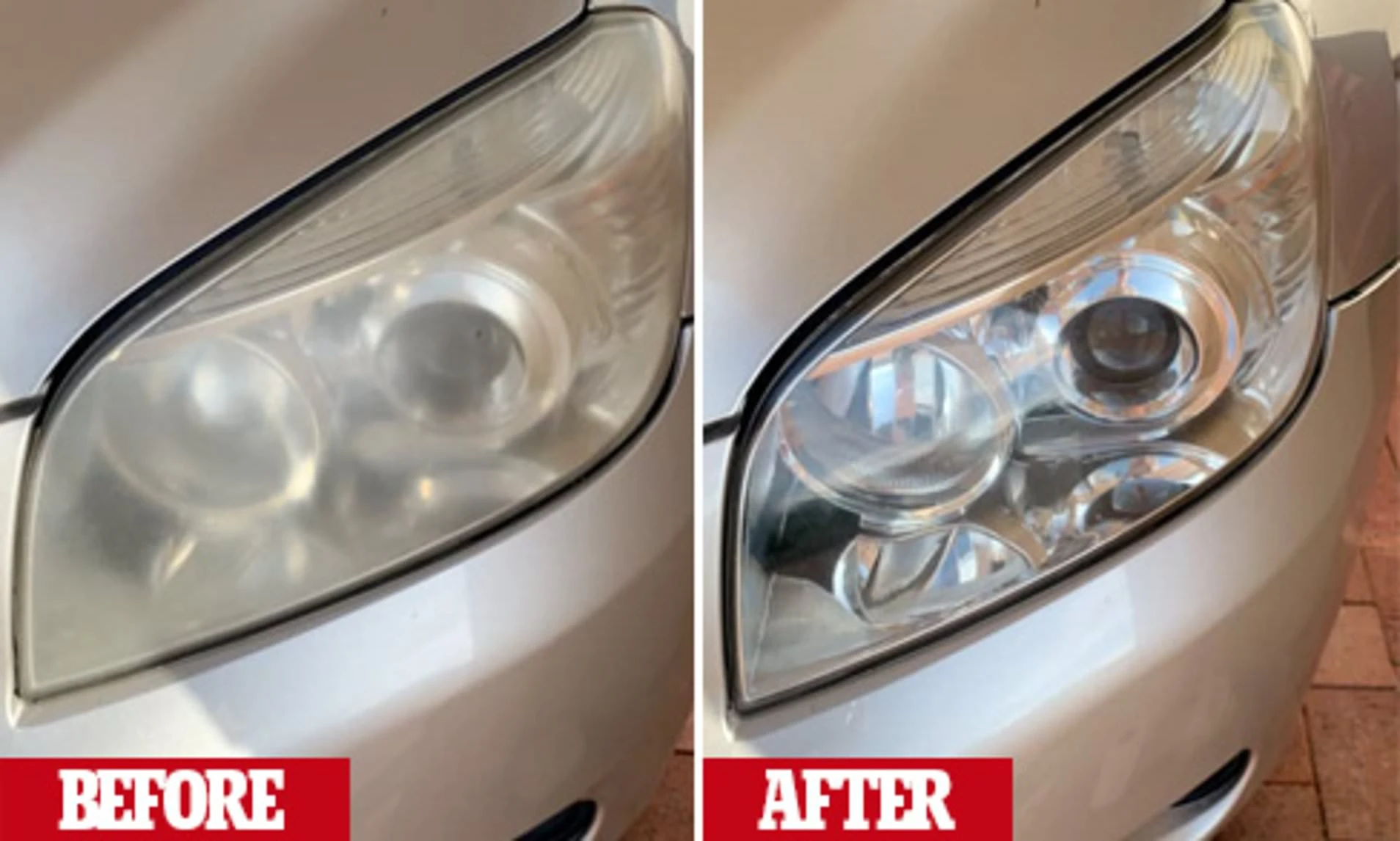
Foggy or moisture-filled headlights are more than just an eyesore—they can seriously affect your visibility and driving safety. If you’ve ever noticed a cloudy haze or even water droplets inside your headlights after rain or a car wash, you’re not alone. This is a common issue for many drivers, especially in humid climates or after temperature changes.
In this guide, we’ll break down why headlights fog up, how to fix the problem quickly, and what you can do to prevent it from happening again.
What Does It Mean When Headlights Fog Up?
Foggy headlights occur when moisture condenses inside the headlight housing. This happens due to temperature differences between the inside and outside of the light assembly.
In simple terms, when warm air inside the headlight meets cooler external air, water vapor turns into tiny droplets. These droplets cling to the inner surface of the lens, creating that foggy appearance.
A small amount of condensation that disappears within 30 minutes is usually normal. However, if moisture lingers or forms visible droplets, it’s a sign of a bigger issue that needs attention.
Common Causes of Foggy Headlights
Understanding the root cause is the first step to fixing the issue effectively. Here are the most common reasons your headlights may be fogging up:
1. Worn or Damaged Seals
Headlights are designed to be airtight. Over time, the rubber seals (gaskets) around the housing can deteriorate, crack, or loosen. This allows moisture to enter the unit.
Improper installation after replacing bulbs or modifying headlights can also compromise the seal.
2. Blocked Ventilation System
Modern headlights include small vents that regulate pressure and allow moisture to escape. When these vents get clogged with dirt or debris, moisture becomes trapped inside.
This leads to persistent condensation that doesn’t go away on its own.
3. Cracks or Physical Damage
Even a minor crack in the headlight housing can allow water to seep inside. These cracks may not always be visible at first but can cause significant moisture buildup over time.
4. Poor Aftermarket Modifications
Upgrading your headlights (like installing LED or projector lights) can sometimes lead to sealing issues if not done correctly. Low-quality adhesives or improper installation often result in gaps that let moisture in.
5. Weather and Environmental Conditions
Humidity, heavy rain, and frequent car washes can all contribute to condensation inside headlights. Rapid temperature changes—like driving in cold weather after the lights have heated up—also play a major role.
Why You Shouldn’t Ignore Foggy Headlights
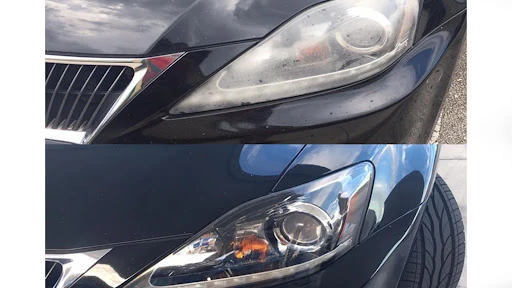
Many drivers think foggy headlights are just a cosmetic issue, but the consequences can be serious:
Reduced Visibility
Moisture scatters light, reducing brightness and beam focus. This can make night driving significantly more dangerous.
Electrical Damage
Water inside the housing can damage sensitive components like LED drivers or ballasts, leading to costly repairs.
Shortened Lifespan
Constant exposure to moisture can cause corrosion, discoloration, and permanent damage to the reflective surfaces inside the headlight.
Safety Risks
Dim or distorted headlights increase the risk of accidents, especially in low-light or bad weather conditions.
How to Fix Foggy Headlights (Step-by-Step)
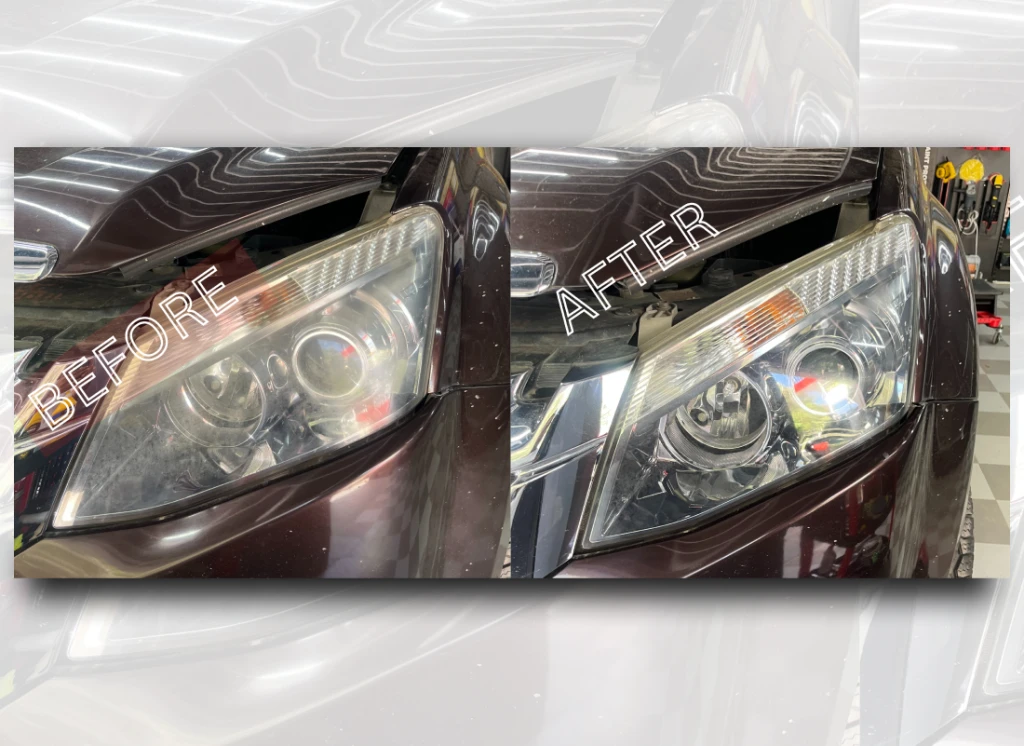
Depending on the severity of the issue, you can try these solutions—from quick DIY fixes to professional repairs.
1. Turn On Your Headlights
One of the simplest fixes is to turn on your headlights for about 15–30 minutes. The heat generated can help evaporate moisture inside the housing.
This works best for minor condensation.
2. Remove the Back Cover
Open the rear cover of the headlight assembly to allow moisture to escape. Then turn on the lights to speed up the drying process.
Make sure to reseal it properly afterward.
3. Use Silica Gel Packs
Place a small moisture-absorbing packet (like silica gel) inside the housing. This can help remove residual humidity.
4. Clean the Vent System
Check and clean the ventilation ports using compressed air. This ensures proper airflow and prevents future condensation.
5. Avoid High Heat Tools
Do NOT use a hairdryer or heat gun at high temperatures. Excessive heat can warp the plastic housing and cause permanent damage.
6. Professional Repair
If condensation persists or forms water droplets, you’ll need professional help. Mechanics can:
- Open the headlight assembly
- Remove trapped moisture
- Replace seals or apply specialized adhesive
- Restore airtight conditions
This is the most reliable long-term solution.
How to Prevent Headlight Condensation
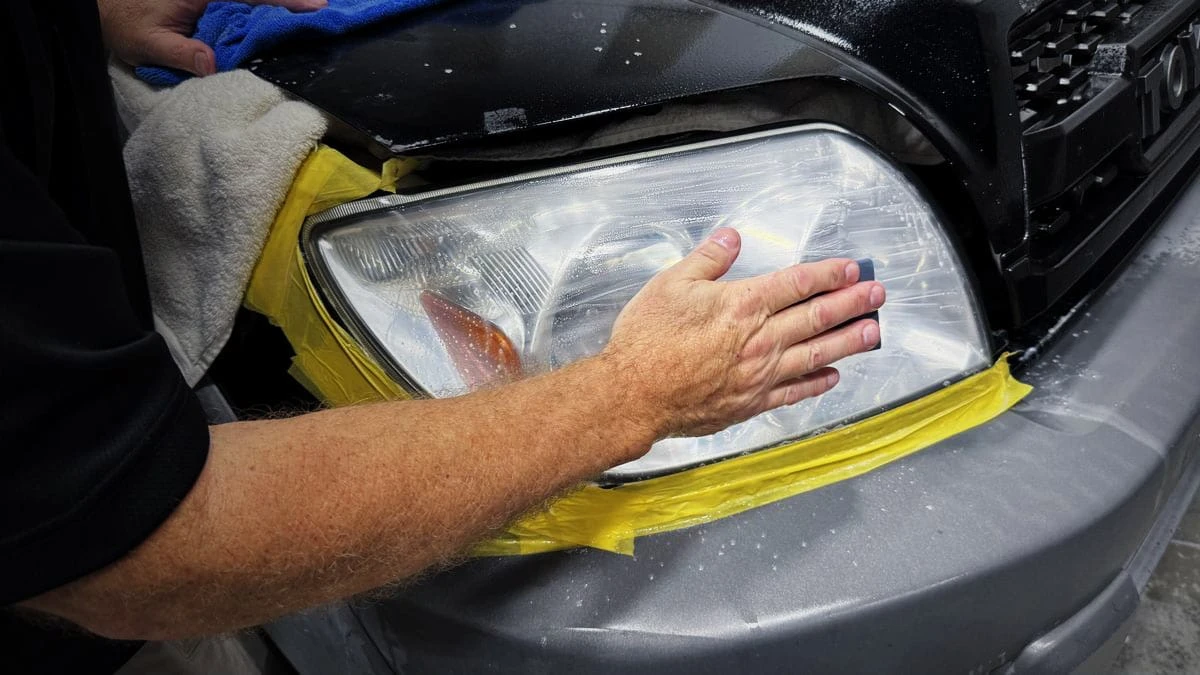
Prevention is always better (and cheaper) than repair. Here’s how to keep your headlights clear:
Regularly Inspect Seals
Check for cracks, looseness, or wear around the headlight housing.
Avoid High-Pressure Washing
Direct water pressure can force moisture into tiny gaps.
Park in Covered Areas
Keeping your car in a garage reduces exposure to humidity and temperature fluctuations.
Use Quality Parts
When replacing bulbs or upgrading lights, always use high-quality components and proper installation techniques.
Clean Vents Periodically
Ensure vents are free from dust and debris to allow proper airflow.
When Should You Replace the Headlight?
Sometimes, repair isn’t enough. You should consider replacing the headlight if:
- There are visible cracks
- Moisture keeps returning despite fixes
- Internal components are damaged
- Light output is significantly reduced
While replacement is more expensive, it ensures long-term safety and performance.
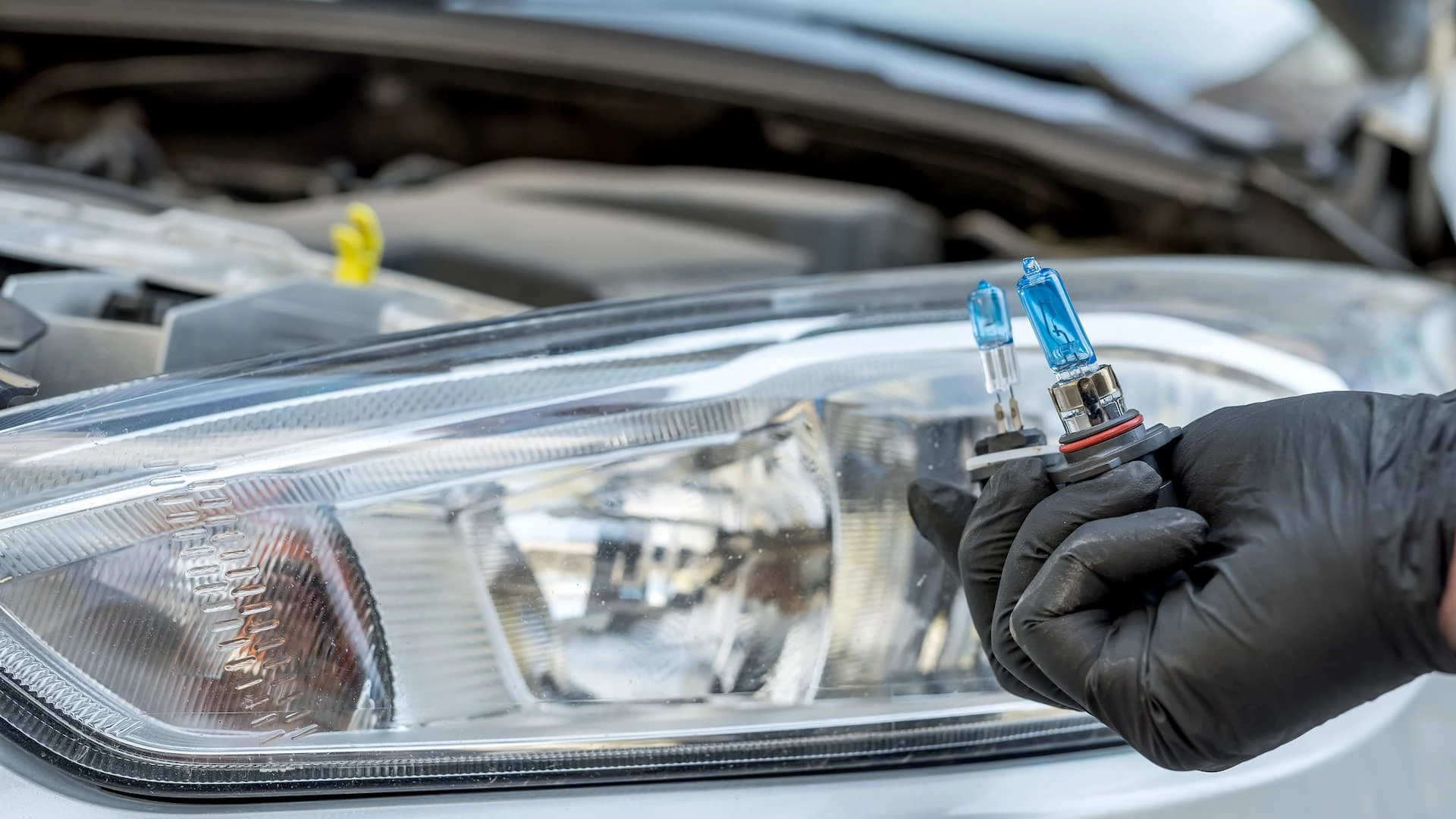
DIY vs Professional Repair: What’s Better?
DIY solutions are great for minor issues and can save money. However, they’re often temporary.
Professional repairs, on the other hand, address the root cause—especially when seals or structural damage are involved. If your headlights frequently fog up, it’s worth investing in expert service.
Final Thoughts
Foggy headlights might seem like a small inconvenience, but they can quickly turn into a serious safety hazard. The good news is that most cases are preventable and fixable with the right approach.
Start with simple solutions like drying and ventilation checks. If the problem persists, don’t hesitate to seek professional help. Keeping your headlights clear ensures better visibility, safer driving, and longer-lasting components.