
Why Your Driving Style Should Change the Way You Maintain Your Car

Why Your Driving Style Should Change the Way You Maintain Your Car
Most drivers think car maintenance follows one universal checklist.
Change the oil.
Rotate the tires.
Replace the brakes.
Repeat every few thousand miles.
Simple, right?
Not exactly.
The truth is that the way you drive has a massive impact on how your vehicle ages, wears down, and performs over time. A car used for short city commutes experiences completely different stress compared to a vehicle driven long-distance across highways every week.
That means maintenance should never be treated as one-size-fits-all.
A daily commuter in downtown traffic, a weekend road trip enthusiast, and a performance-driving car owner all place different demands on their vehicles. Ignoring those differences can lead to unnecessary repairs, reduced fuel efficiency, and expensive long-term damage.
Modern vehicles are more advanced than ever, but they still depend heavily on proper care tailored to real driving habits.
And honestly, most drivers underestimate how much their lifestyle affects their car.
Your Driving Habits Matter More Than You Think
Every mile driven creates wear.
But not all miles are equal.
For example:
- Stop-and-go city traffic stresses brakes heavily
- Long highway driving increases tire wear differently
- Short trips strain batteries and engines
- Aggressive acceleration impacts transmissions
- Extreme weather accelerates fluid breakdown
Two identical vehicles with the same mileage may end up in completely different condition depending on how they were driven.
That’s why mechanics often ask questions beyond mileage alone:
- How often do you drive?
- Is most driving highway or city?
- Do you tow heavy loads?
- Does the vehicle sit unused often?
- Do you drive aggressively?
Understanding your own driving style helps prevent maintenance problems before they become expensive repairs.

City Drivers Face Unique Problems
Urban driving is one of the toughest environments for vehicles.
Many people assume highway driving wears cars down faster because of higher speeds, but city driving actually creates constant mechanical stress.
In stop-and-go traffic, vehicles repeatedly:
- Brake
- Accelerate
- Idle
- Shift gears
- Heat up and cool down
This repeated cycle increases wear on:
- Brake pads
- Rotors
- Transmission systems
- Engine oil
- Cooling systems
Short trips are especially problematic because engines may not fully reach optimal operating temperature. Over time, this can allow moisture buildup and reduce oil effectiveness.
City drivers should pay extra attention to:
- Brake inspections
- Oil changes
- Tire pressure
- Battery health
- Transmission fluid
Urban potholes and rough roads also increase suspension wear significantly.
If most driving happens in crowded traffic environments, regular inspections become far more important than simply following standard maintenance schedules blindly.

Highway Drivers Experience Different Wear Patterns
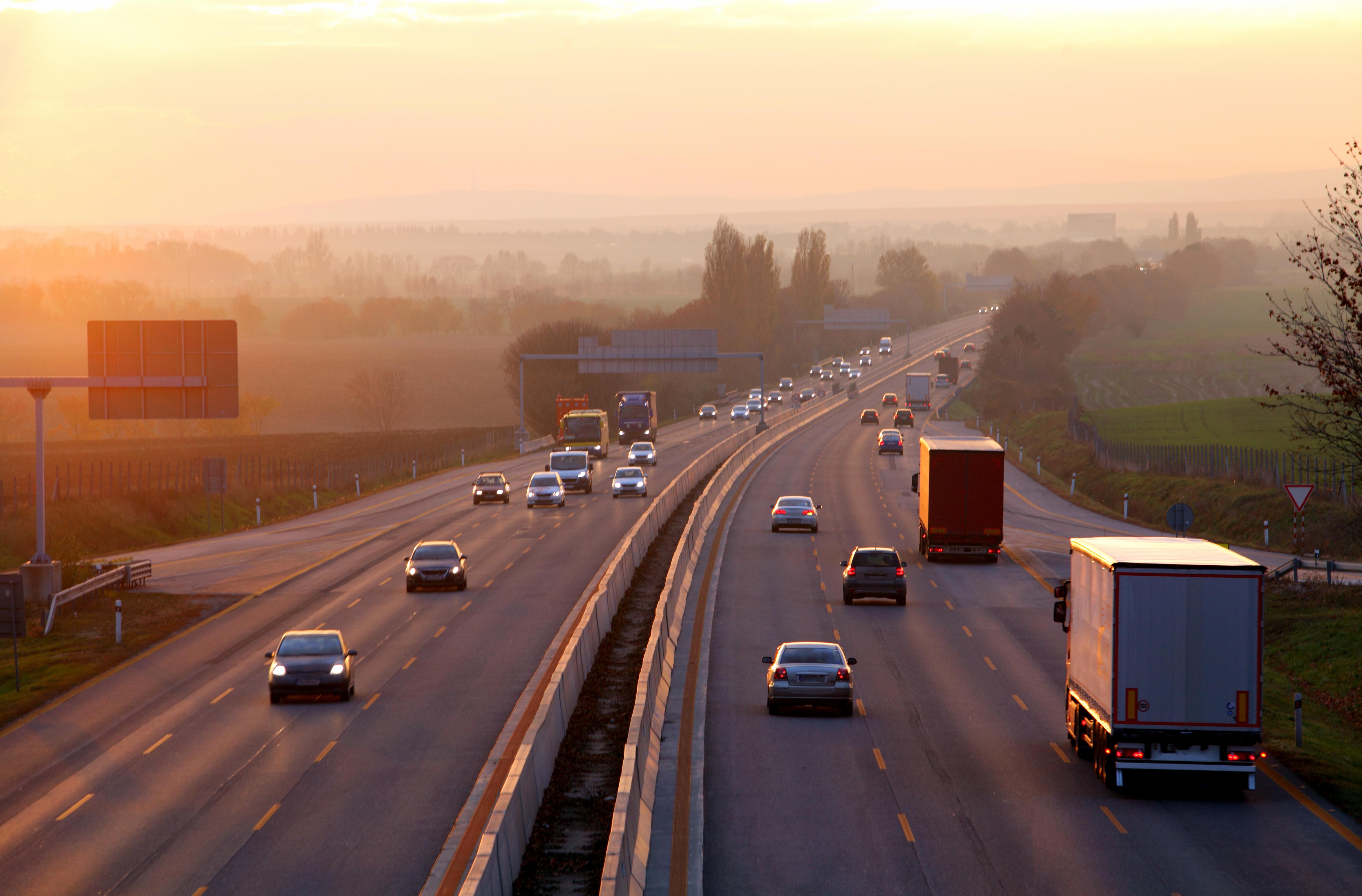
Highway driving is generally easier on engines compared to city traffic because vehicles maintain steady speeds and consistent operating temperatures.
However, long-distance driving creates its own maintenance concerns.
High-mileage highway drivers often experience increased wear on:
- Tires
- Windshields
- Suspension systems
- Cooling components
Long trips also mean drivers accumulate mileage much faster, requiring:
- More frequent oil changes
- Faster tire replacement cycles
- Additional alignment checks
Road debris, weather exposure, and long hours of engine operation gradually impact vehicle reliability.
For frequent highway travelers, preventive maintenance becomes essential.
Ignoring small issues during long-distance driving can quickly turn into serious breakdowns far from home.
That’s why road-trip drivers should regularly inspect:
- Tire tread depth
- Brake performance
- Coolant levels
- Wiper blades
- Battery condition
Long highway miles reward consistency. Small maintenance habits often prevent major repair bills later.
Occasional Drivers Face Hidden Maintenance Risks
Ironically, not driving enough can also damage a vehicle.
Cars designed to operate regularly may develop problems when left sitting for long periods.
Vehicles parked for extended time can experience:
- Battery drain
- Tire flat spots
- Fluid degradation
- Fuel system issues
- Moisture buildup
- Rust development
Short occasional drives may not fully recharge the battery or properly circulate fluids through the engine and transmission.
This is especially common among:
- Remote workers
- Retirees
- Seasonal drivers
- Owners of secondary vehicles
Many people assume low mileage automatically means lower maintenance needs, but inactivity creates its own form of wear.
Occasional drivers should still:
- Start vehicles regularly
- Take longer drives periodically
- Maintain proper tire pressure
- Replace aging fluids even with low mileage
- Keep batteries charged
Vehicles perform best when used consistently.
Aggressive Driving Accelerates Wear Dramatically
Some drivers naturally push vehicles harder than others.
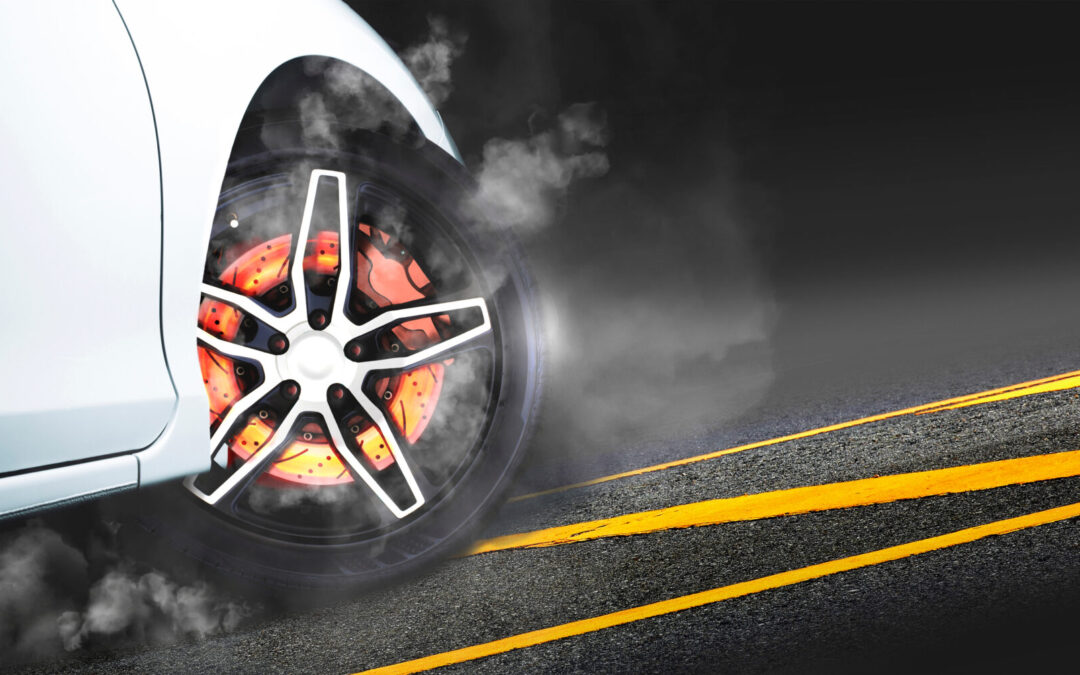
Fast acceleration, hard braking, sharp cornering, and high-speed driving all place extra stress on mechanical systems.
Aggressive driving can shorten the lifespan of:
- Brake pads
- Tires
- Suspension components
- Transmission systems
- Engine mounts
Even fuel economy suffers significantly.
Performance-oriented driving generates additional heat and friction throughout the vehicle, which speeds up wear on essential components.
Drivers who enjoy spirited driving should pay closer attention to:
- Brake condition
- Tire wear patterns
- Alignment health
- Fluid temperatures
- Suspension inspections
Performance driving is not inherently bad for a vehicle—but it absolutely requires more proactive maintenance.
Ignoring those extra stresses often leads to expensive repairs much sooner than expected.
Weather Plays a Major Role in Maintenance
Driving style is only part of the equation.
Climate also changes how vehicles should be maintained.
Cold-weather regions create issues such as:
- Battery strain
- Thickened fluids
- Tire pressure drops
- Salt-related rust
Hot climates increase:
- Cooling system stress
- Tire blowout risks
- Fluid evaporation
- Air conditioning wear
Drivers living in areas with extreme temperatures must adapt maintenance schedules accordingly.
For example:
- Winter drivers may need battery checks more frequently
- Hot-weather drivers should monitor coolant systems carefully
- Rain-heavy regions increase wiper and tire importance
Environmental conditions constantly interact with driving habits.
Tires Reveal a Lot About Driving Style
Tires are one of the clearest indicators of how a vehicle is being used.
Uneven tire wear often reveals:
- Aggressive cornering
- Poor alignment
- Incorrect tire pressure
- Suspension issues
- Heavy highway use
Drivers who frequently travel long distances may wear tires evenly but quickly. City drivers may experience uneven wear from potholes and frequent braking.
Regular tire inspections help identify larger mechanical problems early.
Proper tire maintenance includes:
- Rotation schedules
- Pressure monitoring
- Alignment checks
- Tread inspections
Ignoring tire health not only affects vehicle performance but also creates serious safety risks.
Modern Cars Still Need Human Attention
Today’s vehicles are filled with advanced technology:
- Driver assistance systems
- Digital diagnostics
- Smart sensors
- Maintenance reminders
But technology cannot fully replace responsible ownership.
Many drivers ignore warning lights or delay maintenance because modern cars feel more reliable than older vehicles.
Unfortunately, small neglected issues often become major repairs over time.
Preventive maintenance remains significantly cheaper than emergency repairs.
Understanding how your specific lifestyle affects your vehicle helps drivers make smarter decisions before problems escalate.
EV Drivers Face Different Maintenance Needs
Electric vehicles are also changing how Americans think about maintenance.
EVs generally require:
- Fewer oil-related services
- Less transmission maintenance
- Reduced engine-related repairs
However, they still need regular attention for:
- Tire wear
- Brake systems
- Battery cooling systems
- Software updates
- Suspension components
Interestingly, EVs often wear tires faster because battery weight increases overall vehicle mass.
As electric vehicles become more common, maintenance habits will continue evolving alongside automotive technology.
Maintenance Is Really About Long-Term Cost
Many drivers delay maintenance to save money.
But in reality, poor maintenance usually becomes far more expensive later.
A neglected oil change may eventually damage an engine.
Ignoring brake wear may destroy rotors.
Skipping tire rotations shortens tire lifespan dramatically.
Preventive care protects:
- Reliability
- Fuel efficiency
- Safety
- Resale value
- Long-term ownership costs
Vehicles are major financial investments. Maintenance is not just about avoiding breakdowns—it’s about protecting that investment over time.
Smart Drivers Adapt Maintenance to Real Life
The best maintenance strategy is not blindly following generic schedules.
It’s understanding how your actual lifestyle affects your car.
A driver who:
- Commutes daily in traffic
- Travels long highway distances
- Rarely uses the vehicle
- Drives aggressively
- Lives in extreme weather
…should not maintain their vehicle exactly the same way as everyone else.
Smart car ownership means paying attention to real-world usage patterns rather than relying only on standard recommendations.
Final Thoughts
Every vehicle tells a story through wear patterns, mileage, and performance changes.
And most of that story comes directly from how the car is driven.
City traffic, long highway trips, occasional use, aggressive acceleration, weather conditions, and personal habits all shape how a vehicle ages over time.
That’s why effective maintenance is never truly universal.
The best drivers are not necessarily the ones who spend the most money on repairs—they’re the ones who understand their vehicles well enough to prevent problems before they happen.
Because in the end, smart maintenance is not just about keeping a car running.
It’s about making sure the vehicle fits the life you actually live.